
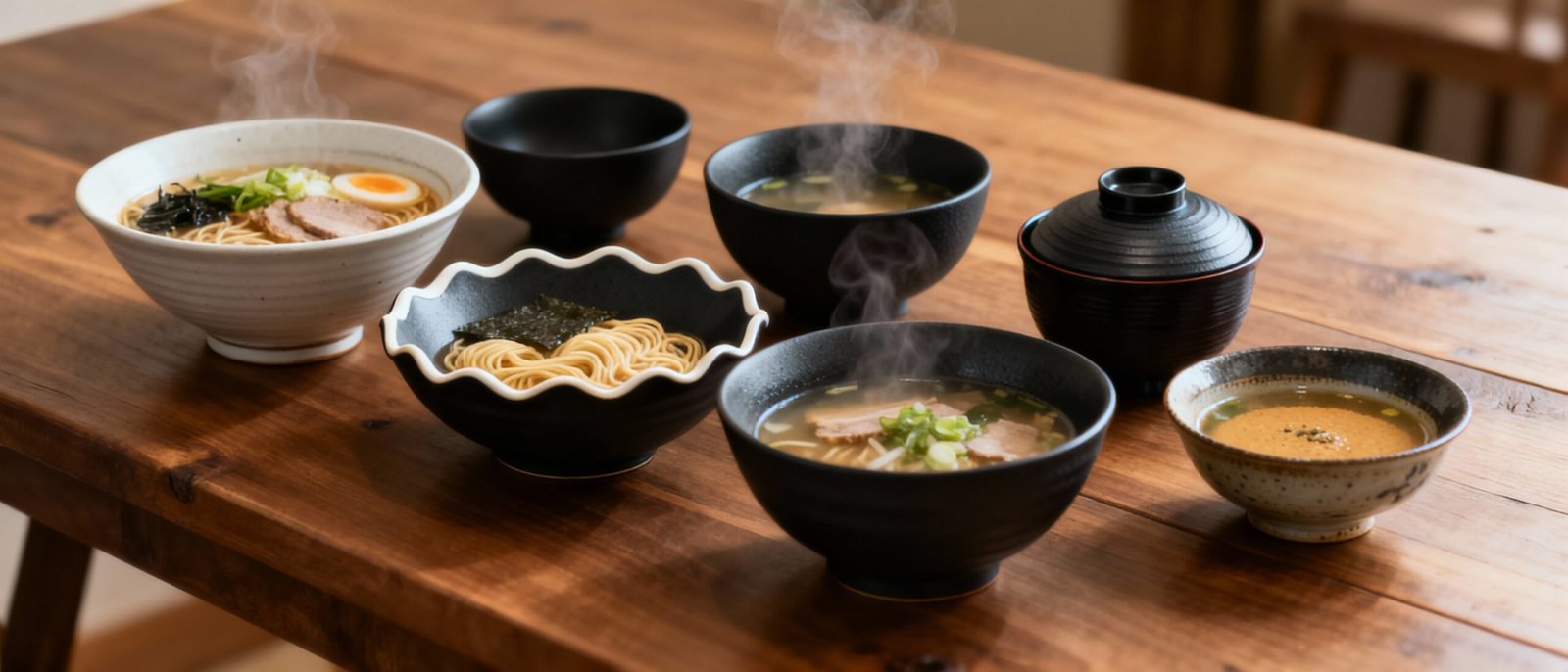
Asian cuisine has always been a world of flavor, culture, and symbolism — but in 2025, it is also becoming a world of design inspiration. From high-end restaurants to minimalist home kitchens, ceramic ramen bowls and miso soup bowls are taking over the global tableware scene. Their shapes, textures, and glazes bring more than usability; they bring personality, storytelling, and a connection with tradition.
This surge in demand isn’t accidental. People today crave experiences, not just meals. They want dining rituals, cultural authenticity, and handcrafted pieces that transform everyday food into something meaningful. And nothing does this better than the iconic shapes of Asian bowls — deep ramen bowls, compact miso cups, sculpted noodle vessels, and wabi-sabi inspired silhouettes.
In this in-depth guide, you’ll discover the most trending shapes, how they connect to Japanese and Asian culinary culture, and why ceramic artists and collectors are embracing them with such enthusiasm.
Let’s explore the world of trending ramen and miso soup bowls — where clay becomes culture, and design becomes an experience.
1. Why Asian Bowl Shapes Are Trending Globally Right Now

The rise of Asian tableware follows a much bigger cultural shift: people want handcrafted, meaningful objects with heritage roots. Asian dining traditions — especially Japanese — are built on balance, mindfulness, and harmony. These values reflect beautifully in bowl design.
But beyond cultural symbolism, there are three main reasons these bowl shapes are trending:
A. Function Meets Emotion
Asian bowls are created with purpose. Ramen bowls must hold hot broth, noodles, toppings, and depth. Miso bowls must provide warmth and comfort in a size that feels personal. This emotional-functional balance is something Western tableware rarely offers.
B. Minimalism + Imperfection is the New Luxury
Modern interiors embrace wabi-sabi aesthetics — appreciating imperfect forms, natural textures, and handmade shapes. Asian bowls fit this perfectly, especially those with irregular rims, brushed glazes, and raw clay bases.
C. Social Media Has Romanticized Asian Dining
From ramen shops in Tokyo to Korean street-food aesthetics, Asian bowls have become Instagram and TikTok favorites. Smooth curves, earthy colors, and steam rising from ceramic pieces create an irresistible mood.
This sets the stage for the bowl shapes dominating 2025.
2. Trend #1 — The Deep V-Shaped Ramen Bowl
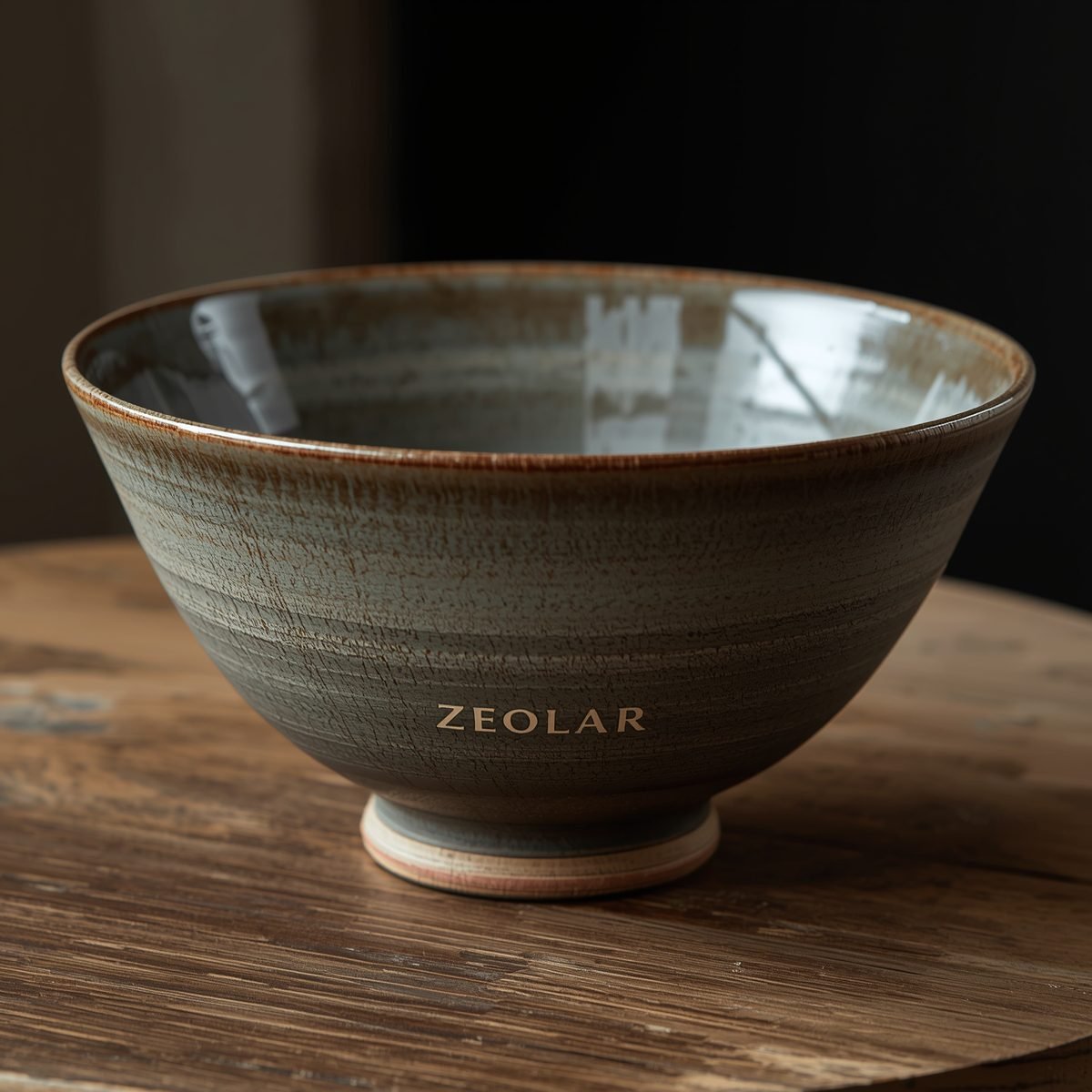
The deep V-shape is one of the most iconic ramen bowl silhouettes. It has a wide-open top for presentation and a narrow bottom that concentrates heat and flavor.
What Makes the V-Shape Trendy?
- It highlights toppings beautifully when photographed.
- It maintains broth heat longer than flat shapes.
- It feels bold, modern, and sculptural.
Design Features in Demand:
- Tall sides with a dramatic slope
- Slightly irregular rims for wabi-sabi character
- Matte or semi-matte glazes in charcoal, sand, or off-white
- Raw clay foot rings for authenticity
Why Customers Love It
This bowl shape feels luxurious, artistic, and functional — perfect for ramen lovers, noodle fans, food photographers, and collectors of Asian-inspired ceramics.
3. Trend #2 — The Oversized “Donburi” Bowl
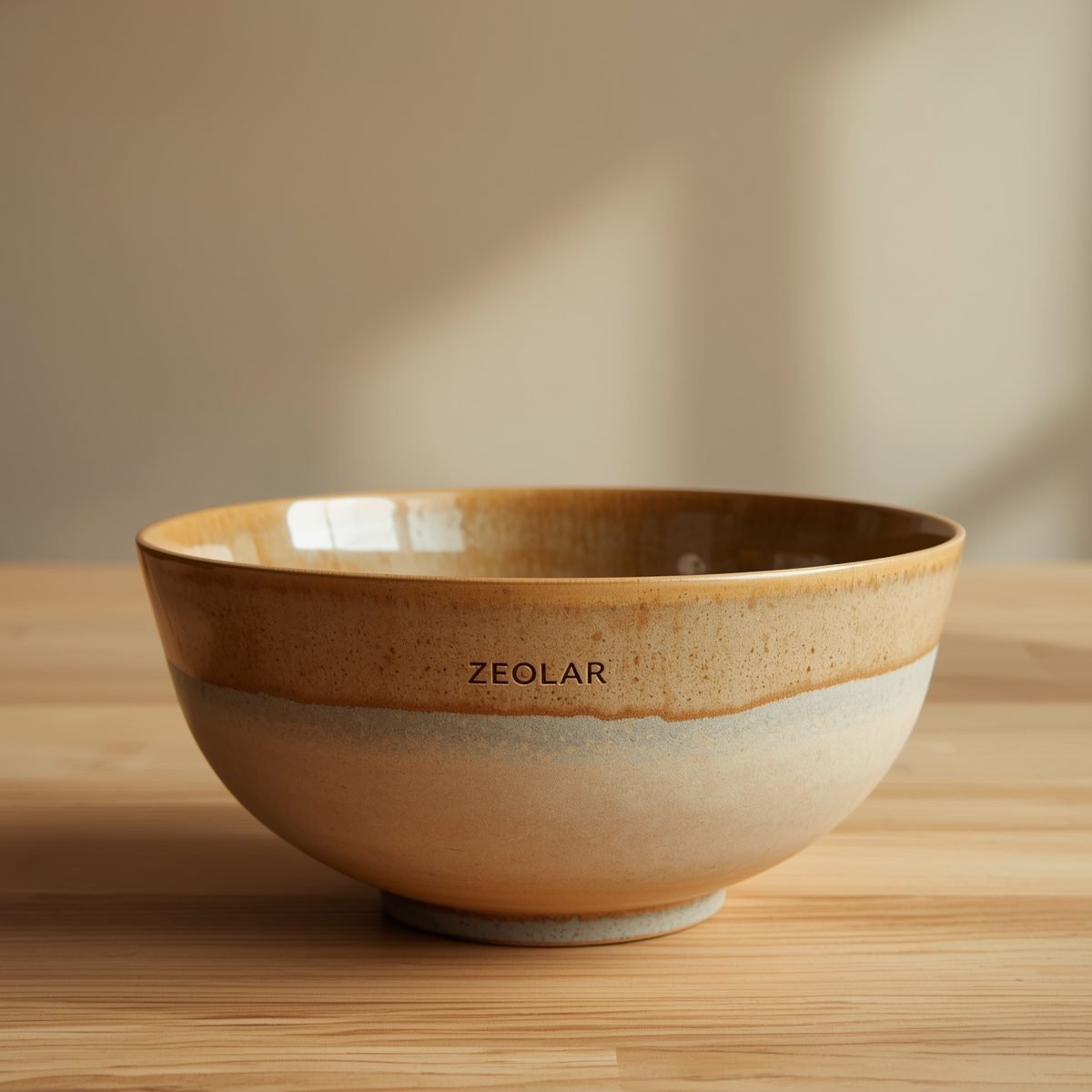
The donburi bowl is bigger and rounder than traditional ramen bowls, and in 2025 it is a major trend. It’s used for rice dishes, udon, curry, and all-in-one meals.
Why It’s Trending
- People love big comfort-food portions.
- The round shape feels cozy and inviting.
- Chefs and home cooks enjoy the plating space.
Design Elements That Are Popular Right Now
- Full round belly shape
- Thick rims for durability
- Speckled glazes for a warm handmade look
- Earth-tone palettes: cream, oat, smoky brown
Donburi bowls also photograph beautifully, making them favorites for food bloggers and ecommerce stores.
4. Trend #3 — The Classic Miso Soup Bowl, Reinvented
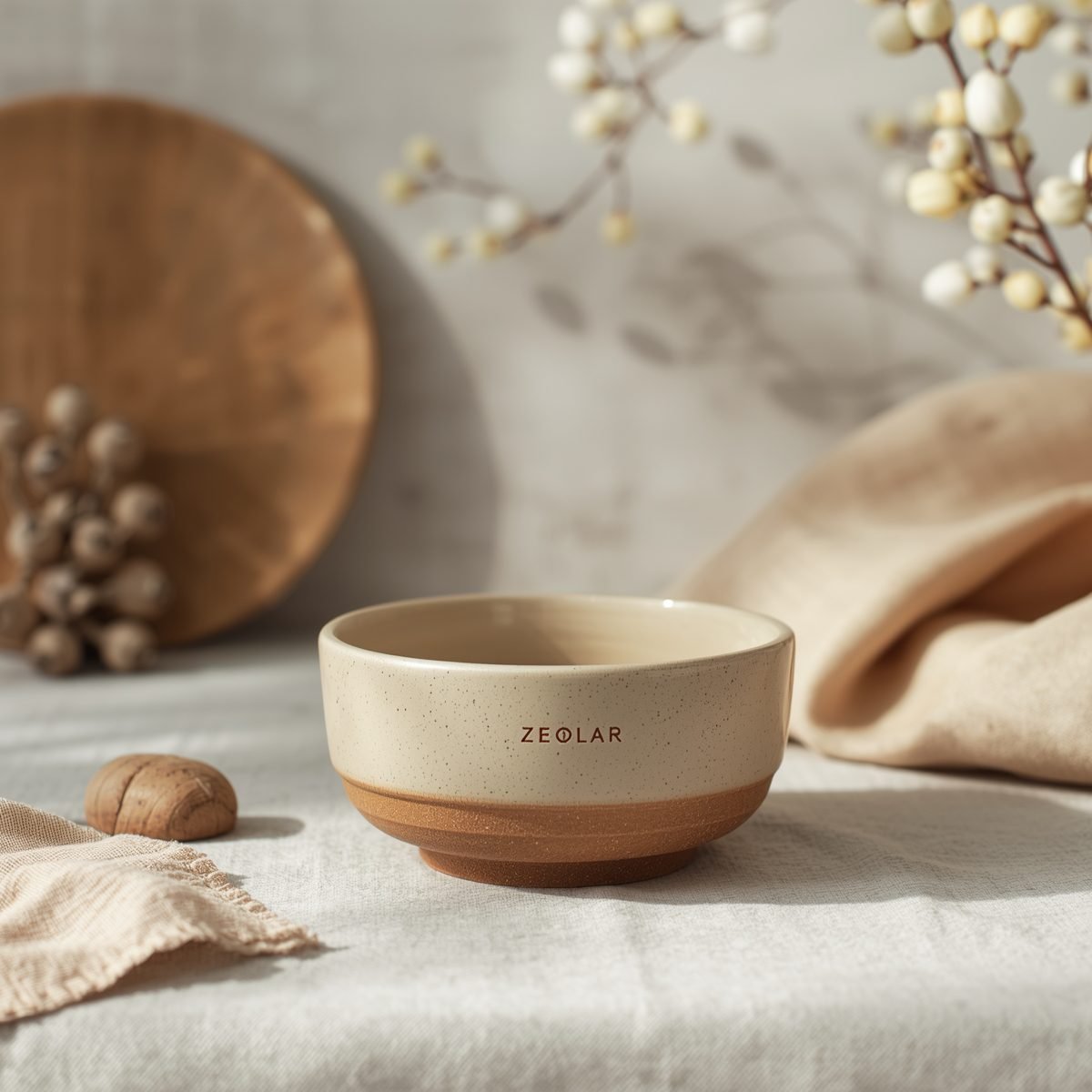
Miso bowls are traditionally small and lacquered, but the modern ceramic version is becoming a design favorite.
What’s New for 2025?
- Matte ceramic instead of lacquer
- Compact round shapes with thick walls
- Minimalist Japanese tones: sand, chestnut, black clay
- Lightweight but sturdy feel
Why People Love Ceramic Miso Bowls
They offer a warm, grounding experience — small enough to feel personal, but stylish enough to look premium on any table setting.
These bowls are also incredibly versatile: miso, broth, sauces, snacks, even desserts.
5. Trend #4 — The Wide “Presentation Bowl” Shape

Modern Asian fusion restaurants are leaning toward wide, shallow bowls designed to be visually stunning.
Key Characteristics
- Open landscape for arranging toppings
- Perfect for low-broth ramen, tsukemen, or soba
- Minimalist, elegant curves
- Often glazed in soft whites or light stone tones
Why This Shape Sells Well
It feels luxurious, clean, and modern. It also blends Japanese, Nordic, and contemporary design philosophies — making it a universal fit for interior styles.
6. Trend #5 — Wabi-Sabi Asymmetrical Bowls
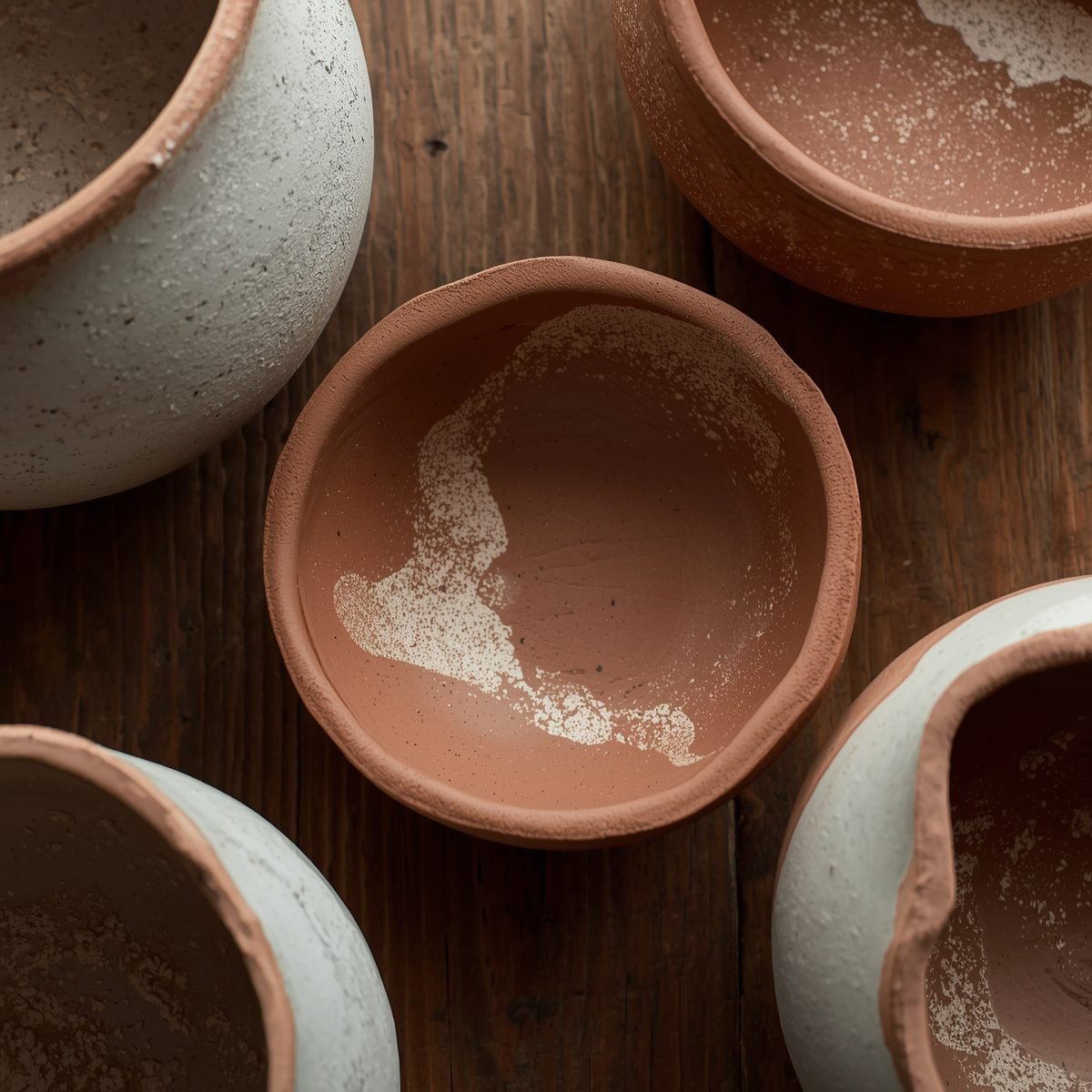
One of the strongest 2025 ceramic movements: intentionally irregular bowls.
Why Asymmetry Is Trending
- People want pieces that feel handmade.
- Imperfection symbolizes authenticity.
- Designers are moving away from factory-perfect symmetry.
Typical Features of These Bowls
- Uneven rims
- Unsymmetrical curves
- Visible throwing lines
- Natural brush strokes
- Raw, textured clay spots left unglazed
These bowls feel like they have a soul — collectors adore them.
7. Trend #6 — The Sculptural “High-Wall” Ramen Bowl
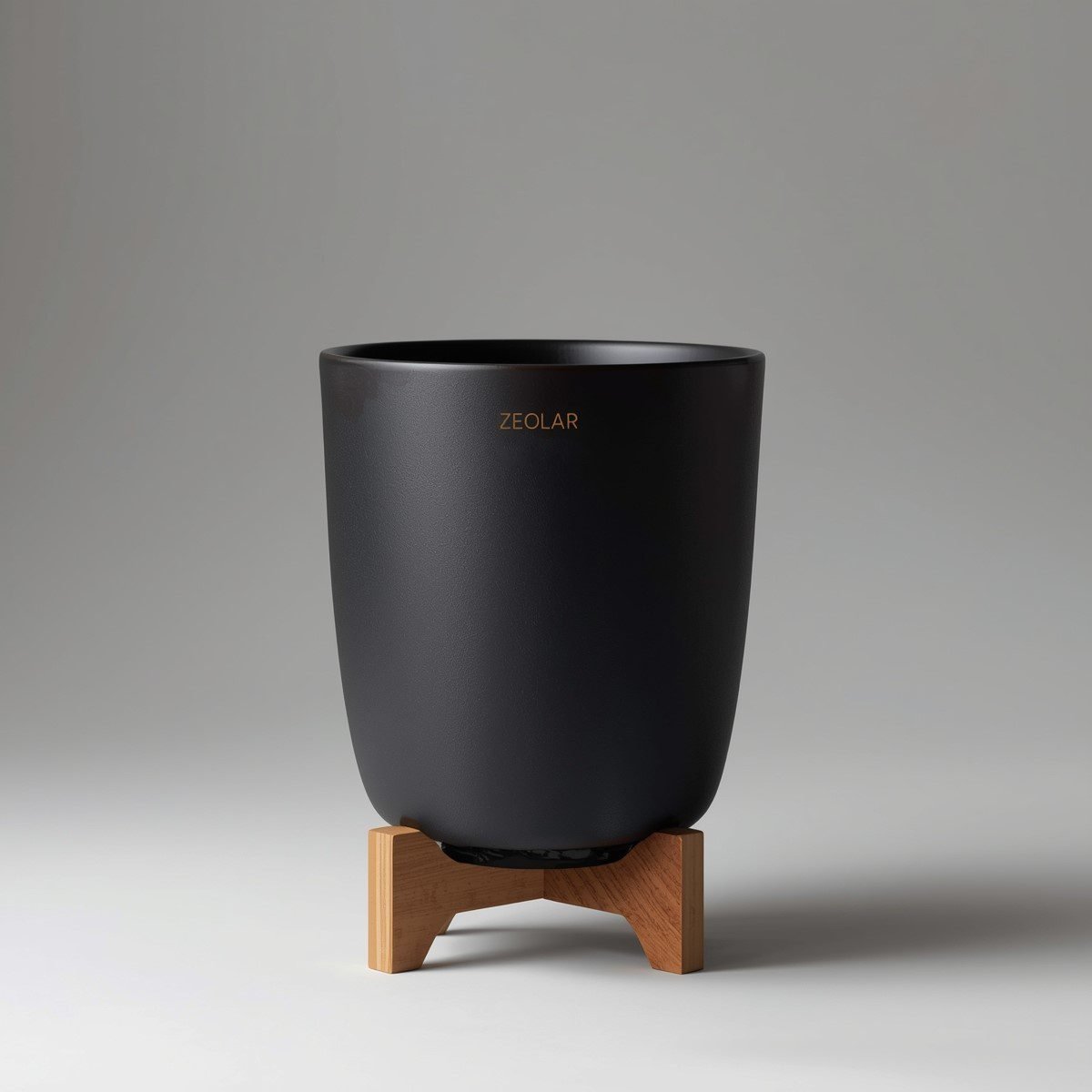
One of the newest shapes rising in popularity is the high-wall structure: tall, cylindrical, and bold.
Why This Shape Is Becoming a Bestseller
- It feels high-end and modern.
- Holds broth extremely well.
- Perfect for restaurants with a luxury or contemporary vibe.
Trending Design Choices
- Matte charcoal or ink-black glaze
- Smooth curved interior
- Tall vertical profile
- Slightly tapered base
This bowl shape gives ramen a dramatic, sleek presentation.
8. Trend #7 — The Two-Tone Glaze Bowl
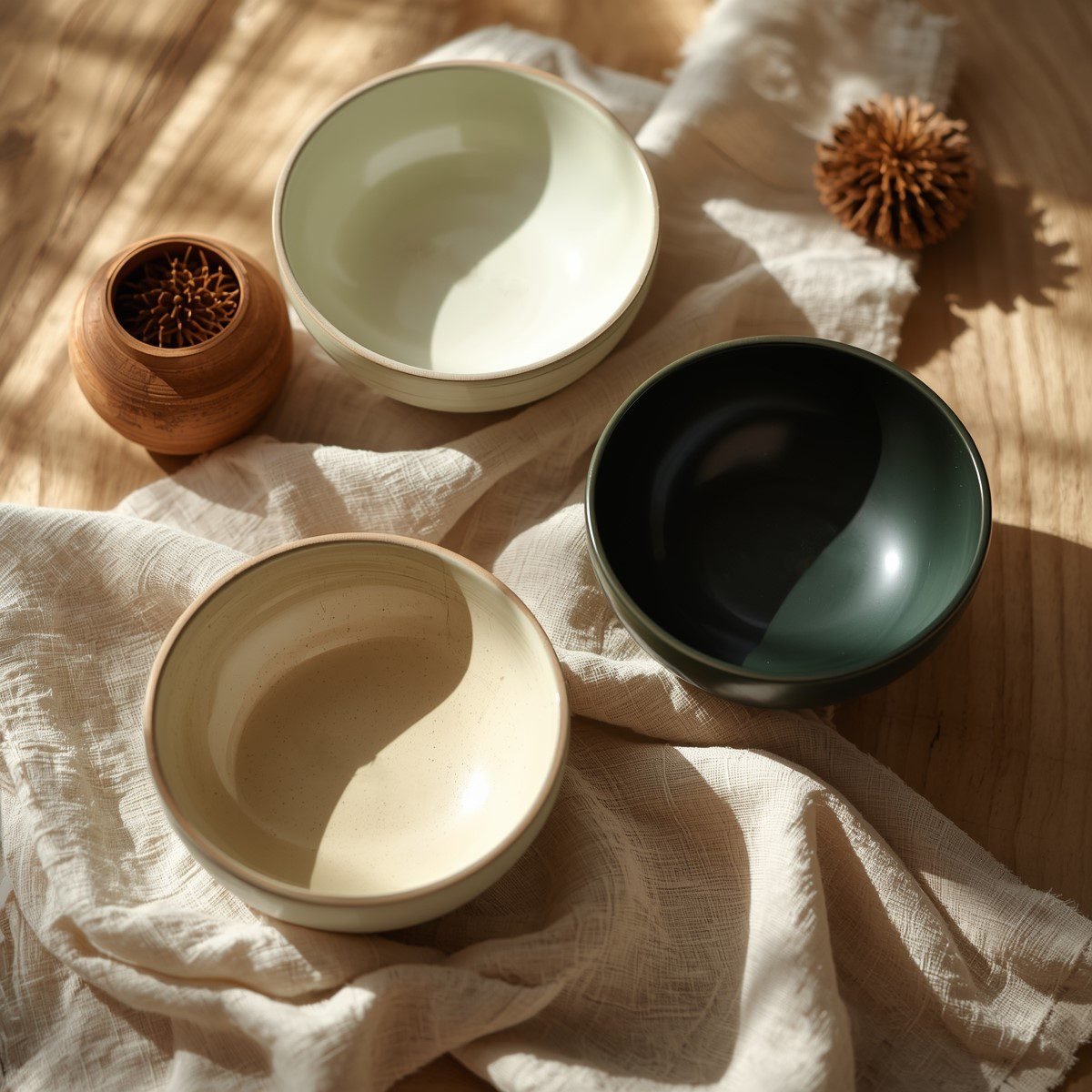
Another major 2025 trend is bowls with two contrasting glazes.
Examples of Trending Combinations
- Sandy beige interior + deep green exterior
- Speckled white top + raw clay bottom
- Charcoal rim + natural brown body
Why Two-Tone Bowls Sell Well
They combine minimalism with artistry. The color contrast makes each bowl stand out and complements food photography extremely well.
This trend appears across ramen bowls, miso bowls, and general Asian ceramic tableware.
9. The Cultural Meaning Behind These Shapes
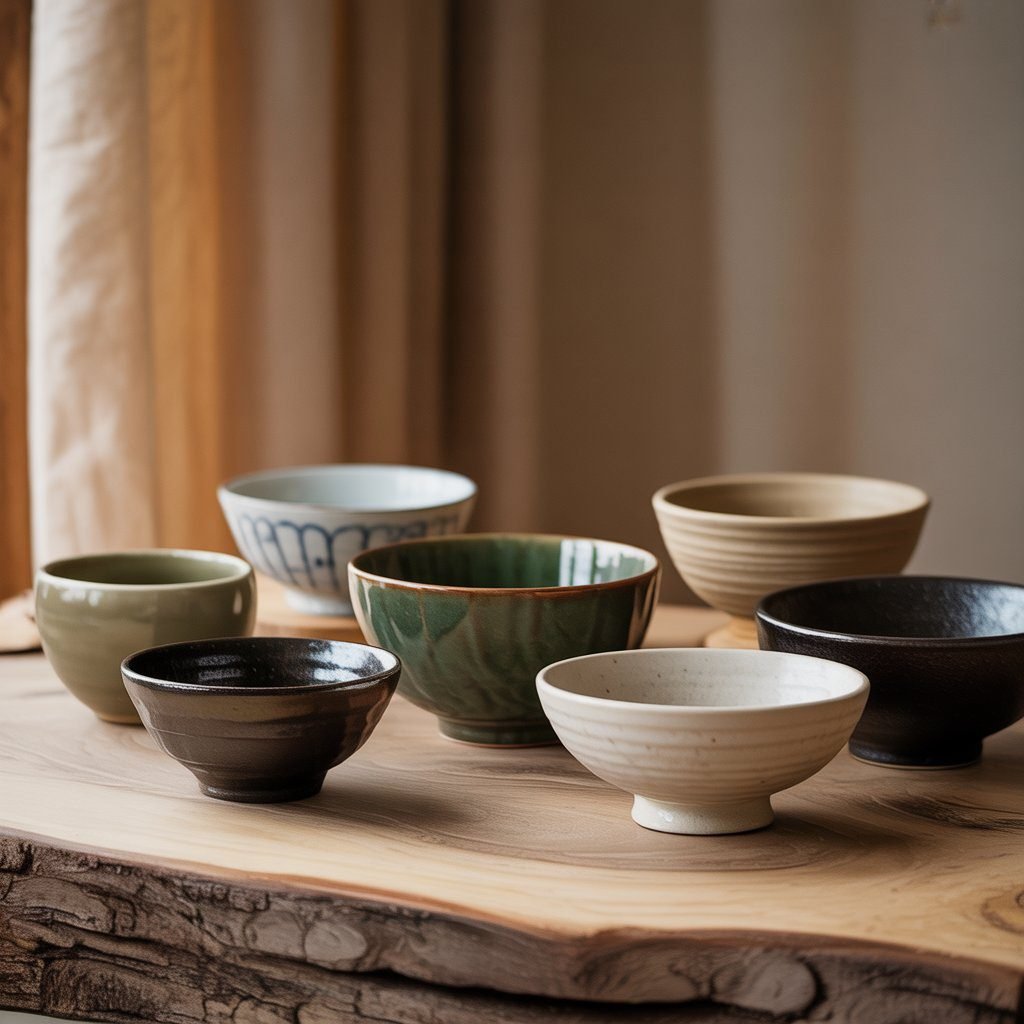
Every Asian bowl shape has a story. Understanding these cultural roots helps shoppers appreciate the design — and helps ceramic artists improve their own creations.
Ramen Bowls
Ramen culture values:
- Warmth
- Generosity
- Comfort
- Layered flavors
This is why many ramen bowls are deep with wide openings.
Miso Soup Bowls
Miso soup is traditionally the first dish of a meal. Its bowl must feel light, familiar, and calming — which is why compact rounded shapes remain central.
Wabi-Sabi Bowls
These represent the Japanese philosophy:
- Life is imperfect.
- Beauty is in simplicity.
- Nature shapes everything.
This philosophy inspires modern ceramics worldwide.
10. Choosing the Right Shape: Functional Tips

If you want to buy, design, or sell ceramic ramen or miso bowls, shape matters. Here’s a simplified guide:
For Ramen
- Deep V-shape → best for broth-heavy ramen.
- High-wall cylinder → best for tall presentations.
- Wide shallow bowl → best for tsukemen and photogenic layouts.
For Miso Soup
- Small round bowl → traditional and comfortable.
- Matte ceramic cup style → modern and versatile.
For Asian Fusion or Restaurant Use
- Wide minimalist presentation bowls
- Two-tone glaze bowls
These shapes balance visual appeal and functionality.
11. Why Ceramic Artists Love These Shapes

Ceramic creators are embracing Asian bowl shapes because:
- They are technically fun to make.
- They offer creative glazing opportunities.
- The market demand is extremely high.
- Each shape has cultural weight and emotional value.
- They sell well on Etsy, Shopify, Instagram, and local markets.
Asian-inspired ceramics give artists a perfect balance between creativity, storytelling, and commercial success.
12. Final Thoughts: The Future of Asian Ceramic Bowl Trends

In 2025 and beyond, Asian bowl shapes will continue to influence global dining culture. Whether in ramen shops, home kitchens, or designer restaurants, these bowls bring more than functionality — they bring a sense of calm, presence, and craft.
People want bowls that feel alive. Bowls that tell a story. Bowls that elevate everyday meals.
From deep V-shaped ramen bowls to compact miso cups and sculptural asymmetrical forms, the trend is clear:
Asian ceramics are not just tableware — they are lifestyle pieces.
They connect tradition, mindfulness, and design in a way no other objects can.
If you’re a ceramic lover, collector, maker, or seller, this trend offers endless opportunities for creativity and emotional expression.
The world is falling in love with Asian ceramics — one bowl, one curve, one handmade touch at a time.