
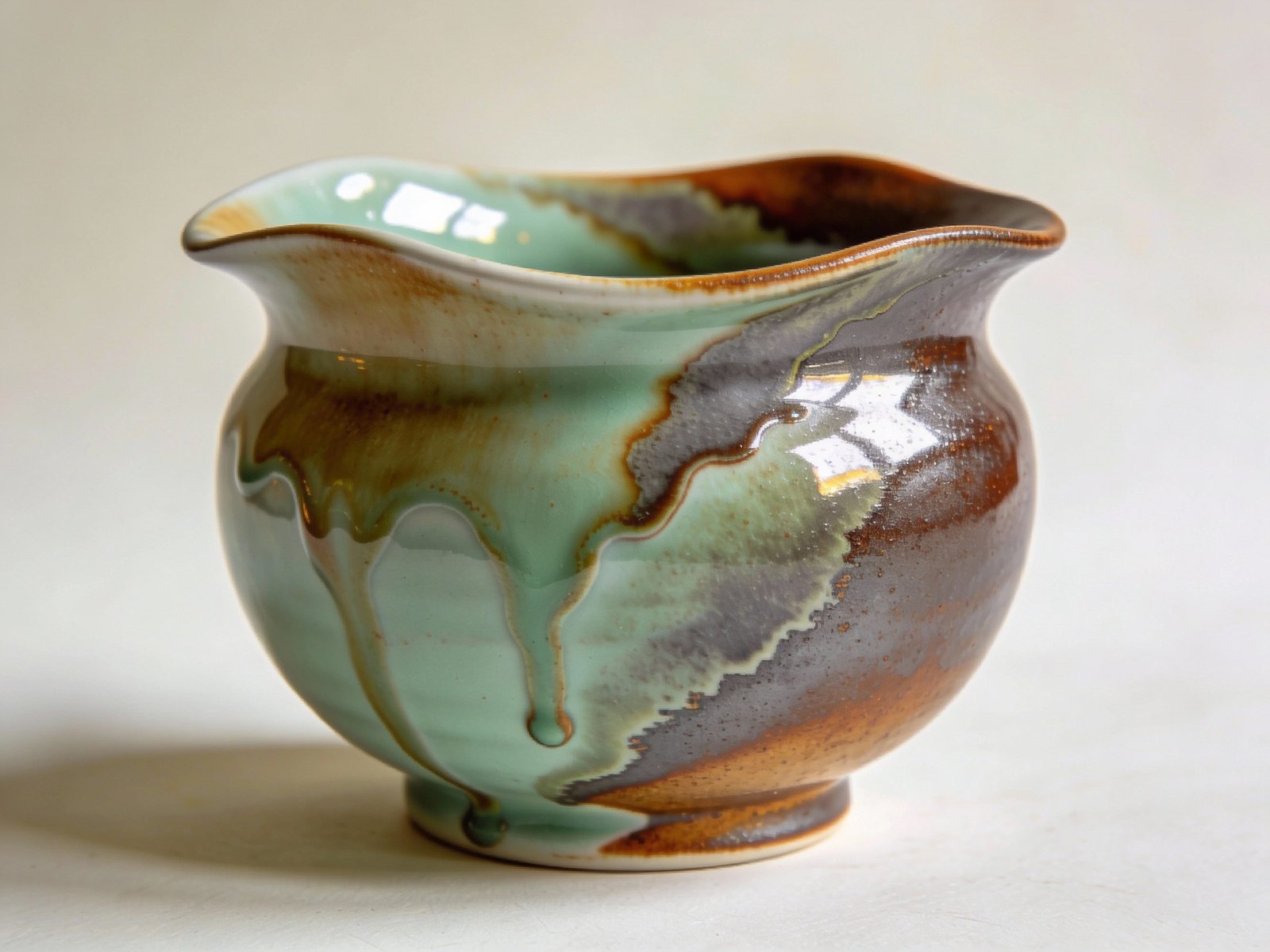
For many ceramic artists, glazing begins with a simple act: dipping a piece into a bucket of glaze and waiting for the kiln to reveal the result. While dipping is reliable and efficient, it is only the starting point of what glazing can truly become.
In today’s ceramic world, collectors, galleries, and design-conscious buyers are drawn to surfaces that feel alive. They want depth, movement, and texture — surfaces that invite touch and reveal complexity under changing light. This is where layered and textural glazing techniques move beyond utility and into artistry.
Mastering layered glazes is not about adding more steps for the sake of complexity. It is about understanding how materials interact, how surfaces hold memory, and how intention transforms clay into expressive form. This guide explores how to move beyond basic dipping and begin creating ceramic surfaces with richness, dimension, and character.
Why Layered and Textural Glazing Matters Today

Ceramics has entered a new era. While functionality remains important, surface expression has become equally valuable. In an age of mass production and digital perfection, handmade surfaces stand out precisely because they are unpredictable.
Layered glazes create visual depth that cannot be achieved with a single coat. Textural glazes respond to form in unique ways, pooling in recesses, breaking over edges, and revealing the hand of the maker. Together, these techniques allow artists to develop a recognizable style — something essential for standing out in a crowded ceramic market.
From a practical perspective, layered glazing also increases perceived value. Buyers often associate depth, variation, and surface complexity with higher craftsmanship. A well-executed layered glaze can elevate even a simple form into a collectible object.
Understanding the Nature of Glaze Interaction
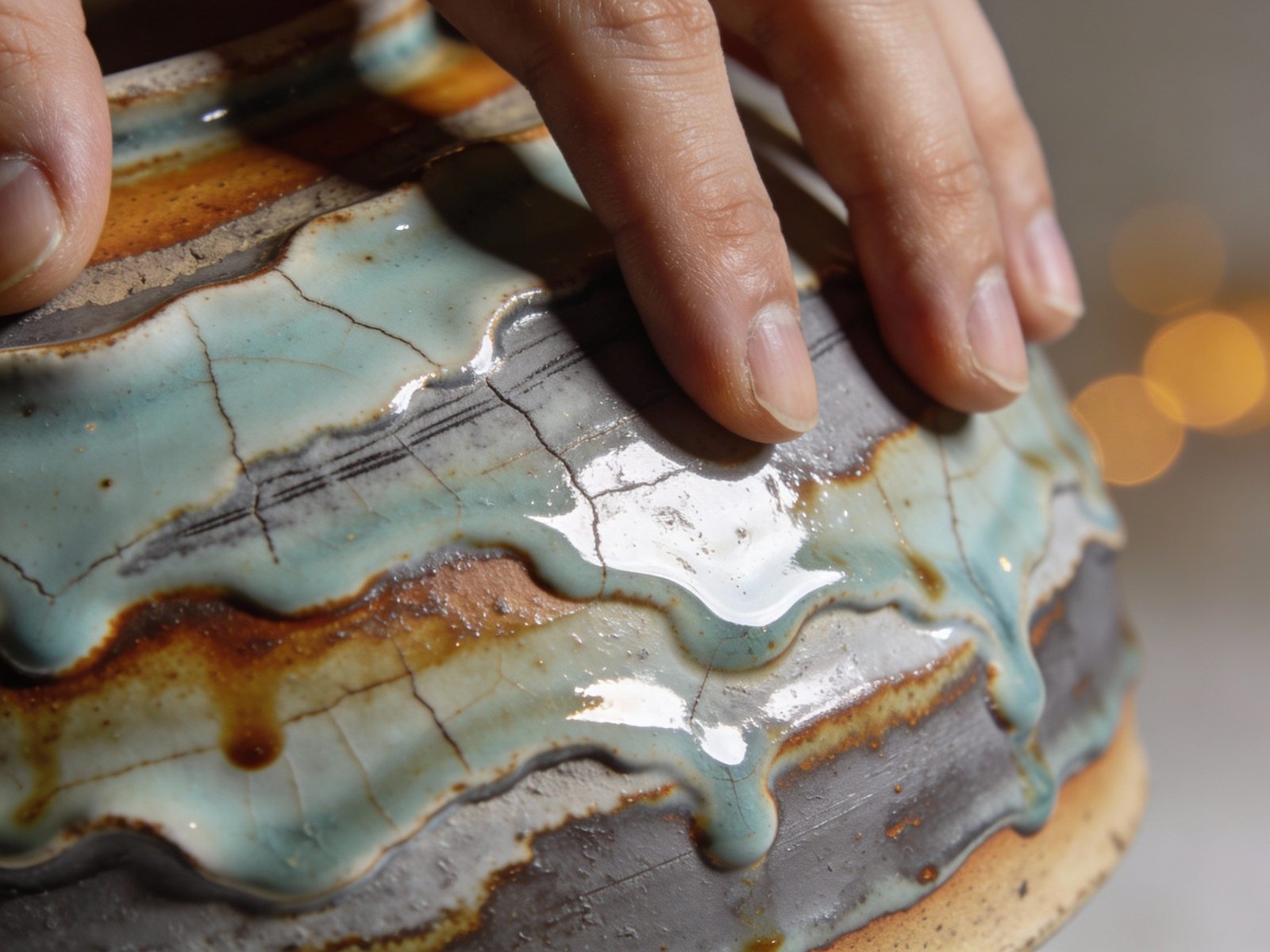
Before mastering layered glazes, it is essential to understand that glazes are not just colors — they are chemical systems. When multiple glazes are layered, they interact with each other, the clay body, and the firing atmosphere.
Some glazes melt early and flow; others remain stiff. Some are stable on their own but become volatile when combined. Layering introduces controlled risk, and learning to manage that risk is part of becoming an advanced ceramic artist.
Key factors that influence layered glaze behavior include:
- Glaze thickness
- Order of application
- Firing temperature and schedule
- Clay body composition
- Surface texture of the form
Successful layering comes from experimentation, documentation, and patience rather than guesswork.
Moving Beyond the Bucket: Rethinking Application
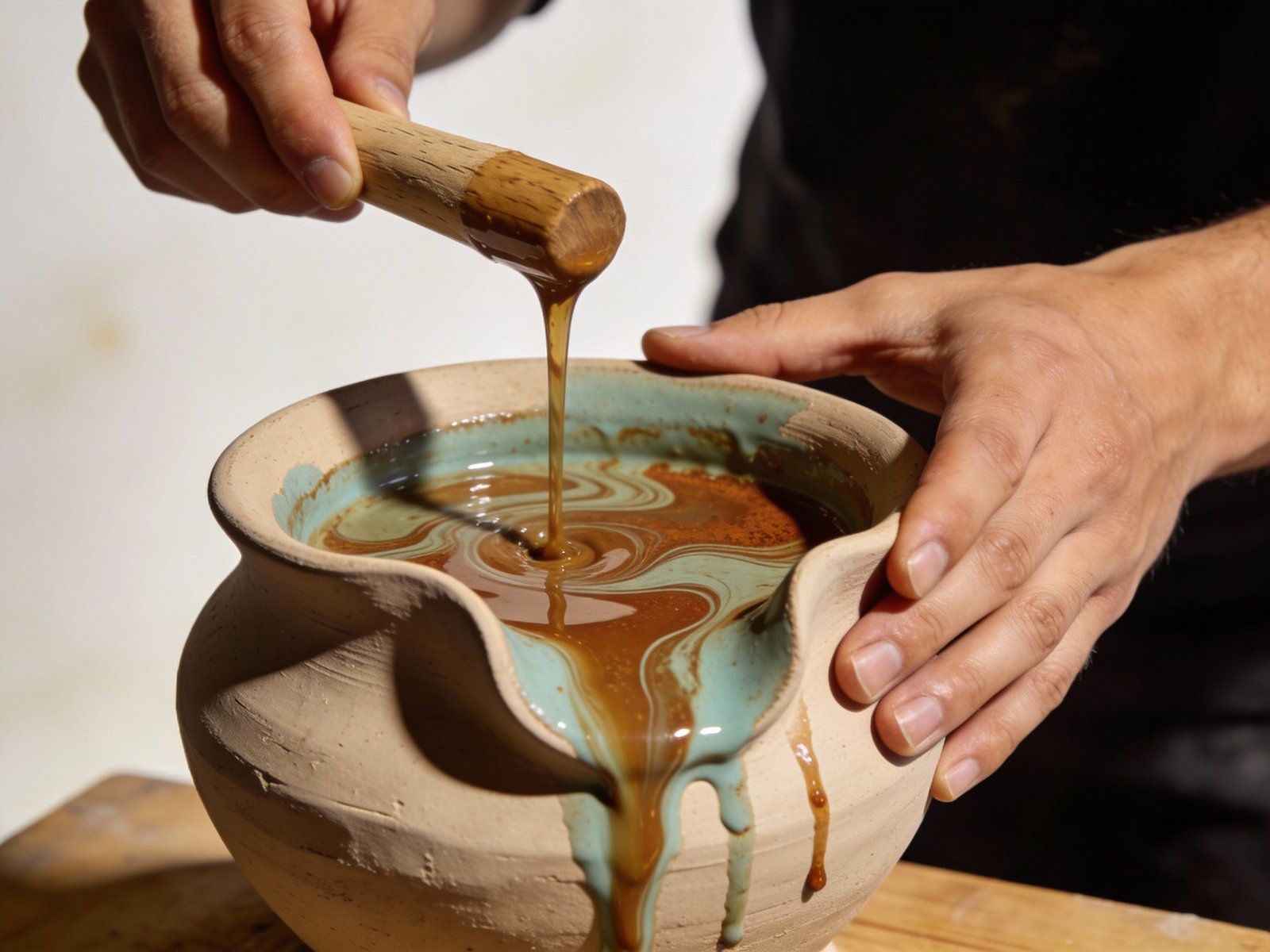
Dipping applies glaze evenly and quickly, but it often produces flat surfaces. Layered glazing invites alternative application methods that introduce variation and texture.
Instead of asking “What glaze should I use?”, experienced artists ask “How should this glaze move across the surface?”
This shift in thinking opens the door to more expressive results.
Technique 1: Layer-by-Layer Transparency
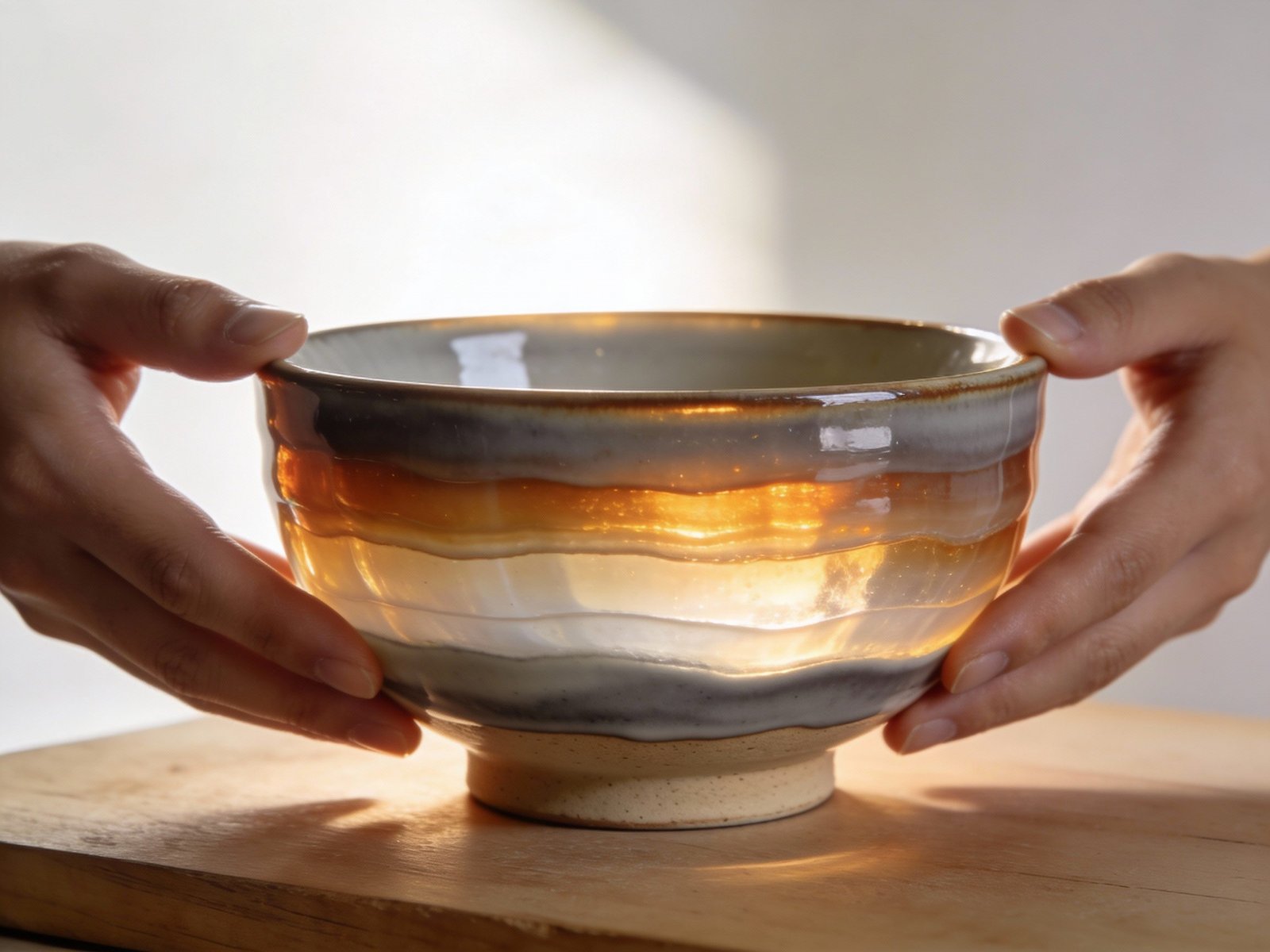
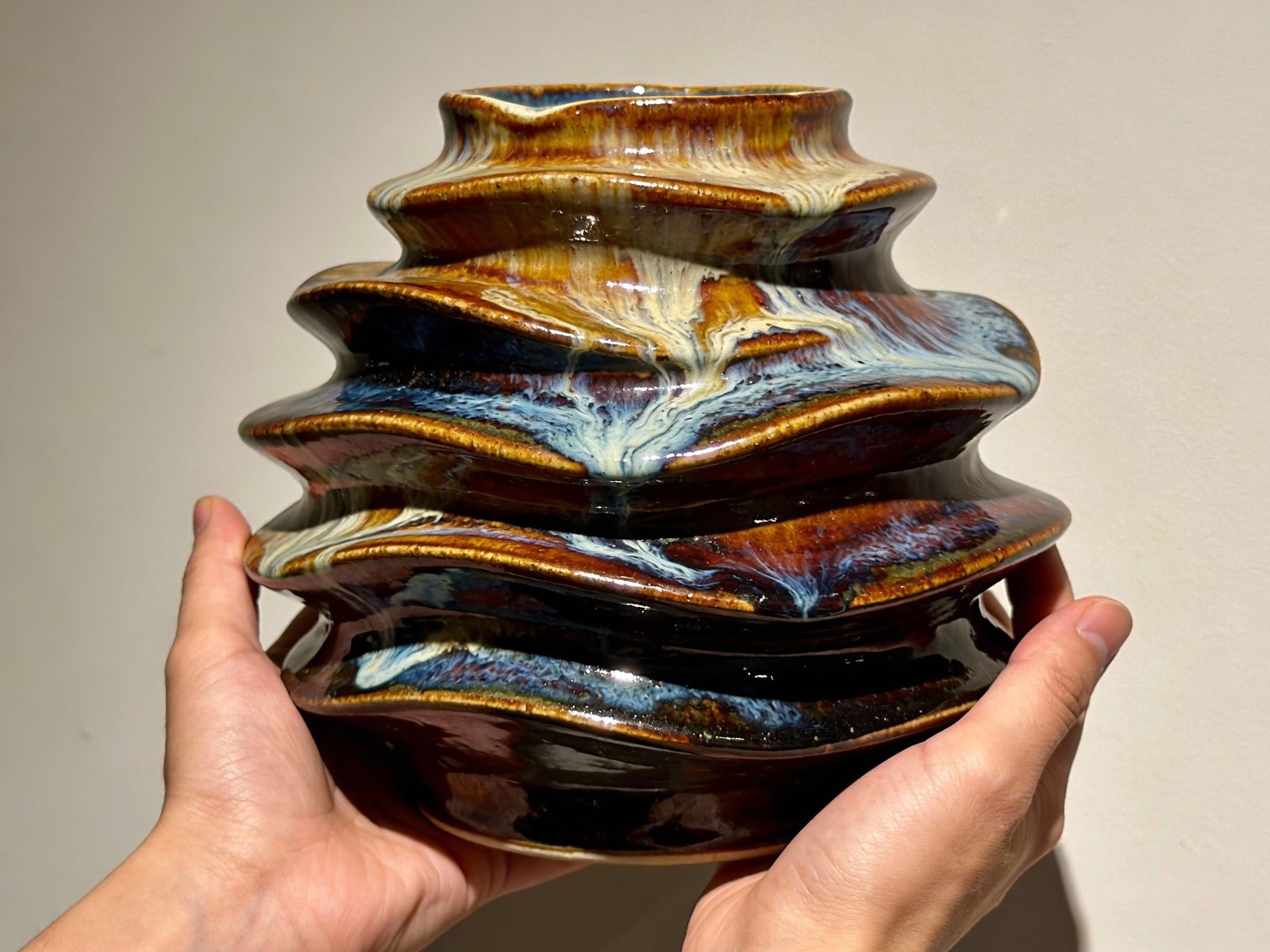
One of the most effective ways to create depth is by layering translucent or semi-transparent glazes. When applied thoughtfully, these glazes allow underlying layers to show through, creating optical depth similar to watercolor painting or oil glazing.
Start with a base glaze that provides overall tone. This layer should be smooth, stable, and well-fitted to the clay body. Once dry, add a second glaze that contrasts slightly in color or opacity. A third layer can be used sparingly to highlight rims, edges, or focal areas.
The key is restraint. Too many layers applied too thickly can result in muddiness or running. Thin, intentional layers create clarity and movement.
Technique 2: Overlapping Fields of Color
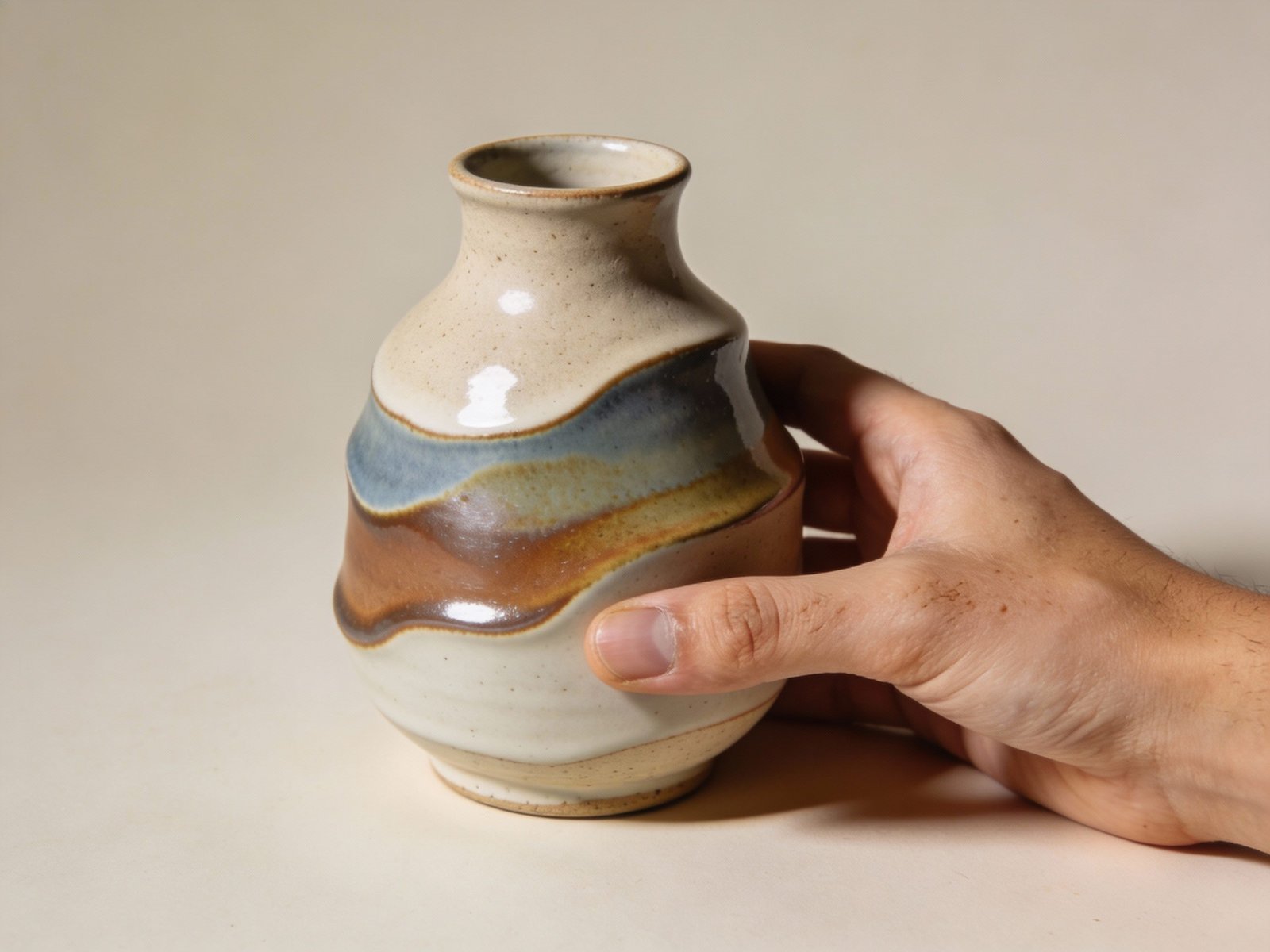
Instead of fully covering the form with each glaze, apply different glazes to specific zones. Allow them to overlap naturally where they meet.
This technique creates visual transitions rather than abrupt color changes. Where glazes overlap, unexpected blends and micro-textures often appear. These intersections become the most visually interesting parts of the piece.
This approach works especially well on bowls, vases, and sculptural forms with continuous curves.
Technique 3: Textural Glazes as Accents
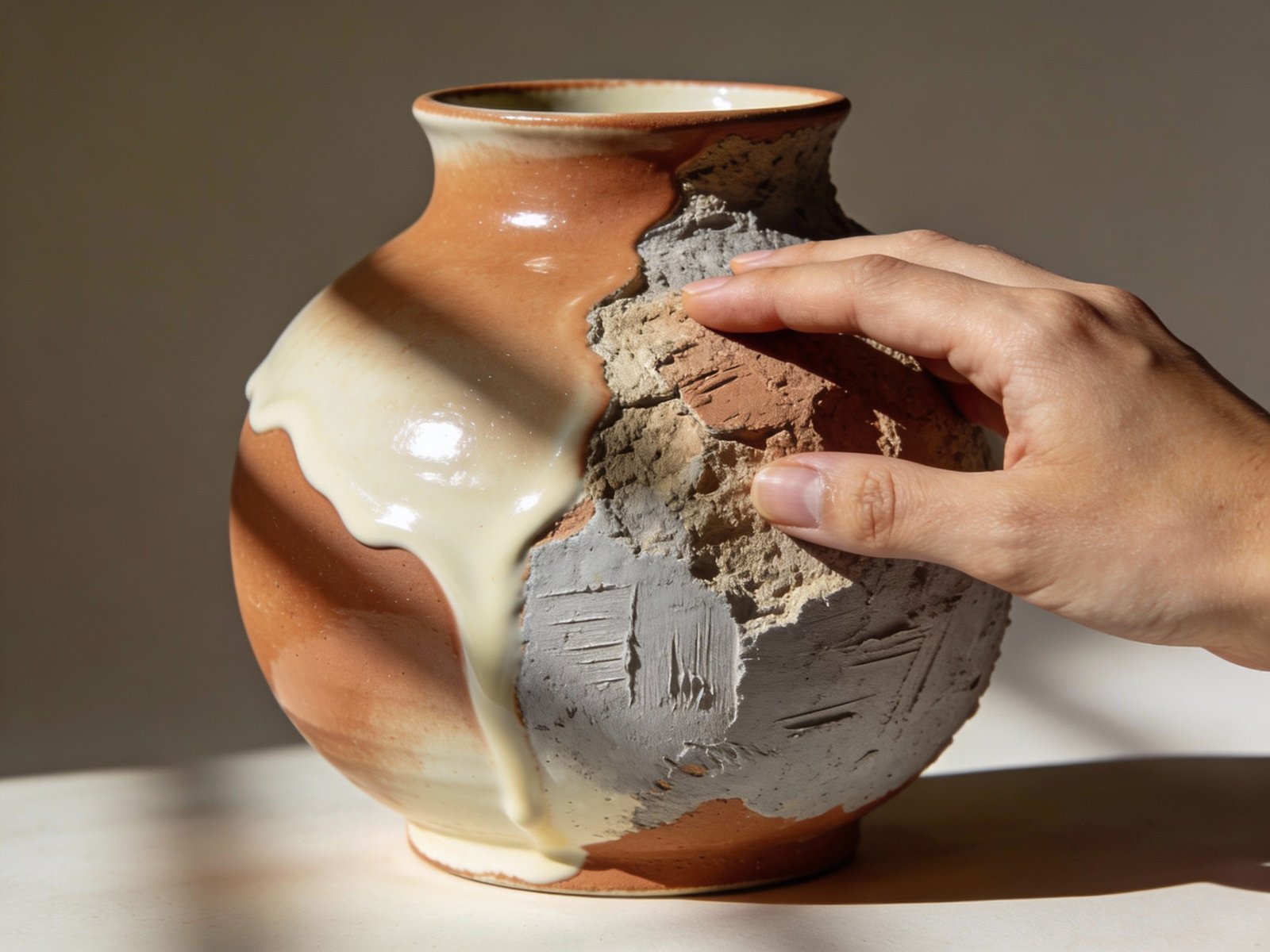
Textural glazes — such as ash glazes, crawl glazes, crystalline surfaces, or heavily fluxed formulas — should be used intentionally rather than everywhere.
When layered over or under a smoother glaze, textural glazes add contrast. A rough surface next to a satin finish immediately draws the eye. The relationship between textures becomes part of the design.
For example, a matte base glaze can be enhanced with a glossy, breaking glaze around the rim. Or a smooth interior surface can contrast with a heavily textured exterior.
Technique 4: Directional Application
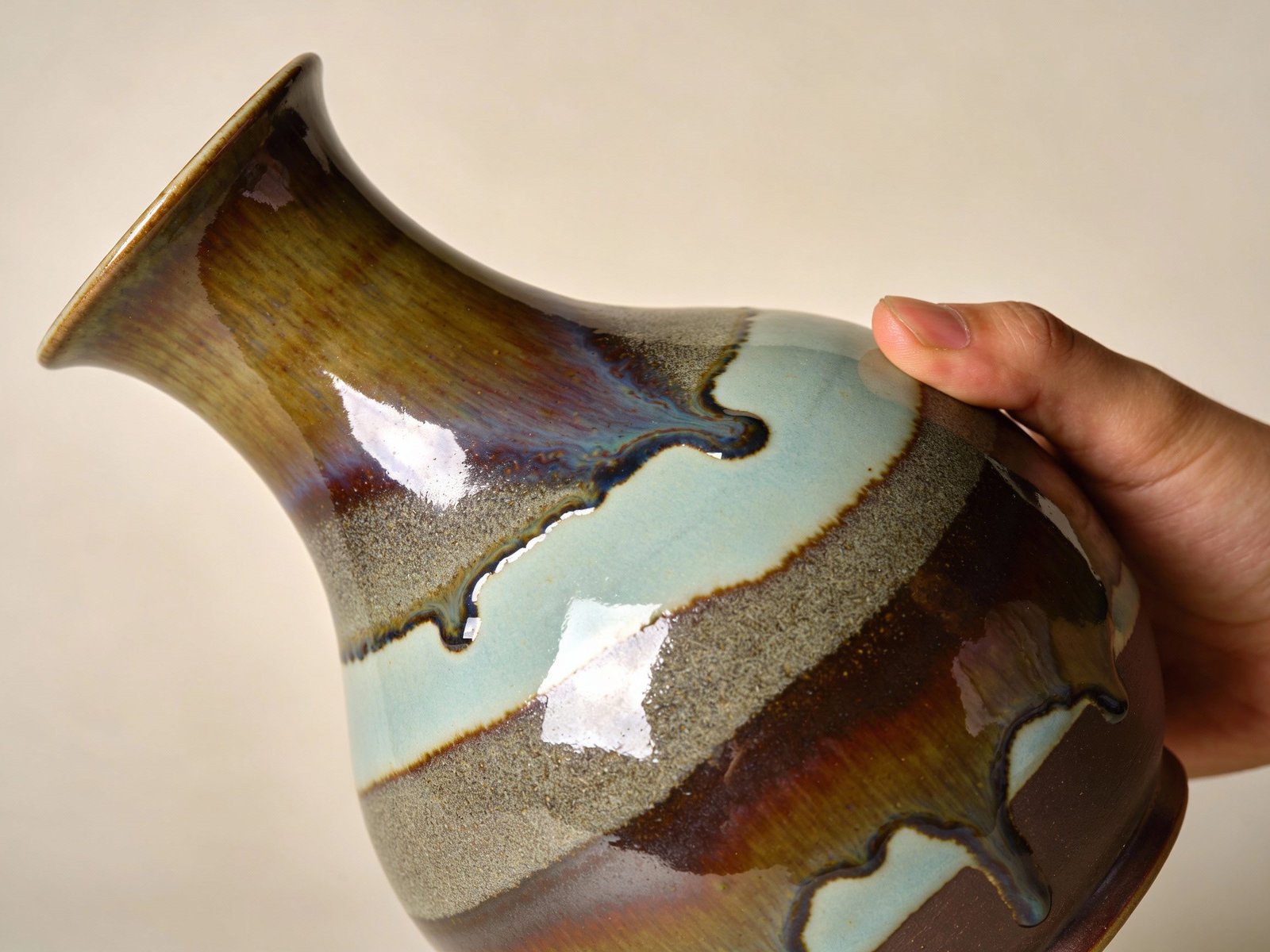
How a glaze is applied affects how it melts and settles. Brushing downward emphasizes gravity. Pouring creates flow lines. Spraying produces soft gradients.
Directional application allows you to guide glaze movement instead of letting it happen randomly. This is especially powerful when layering, as each layer can follow a different direction.
A brushed underlayer combined with a poured top glaze can produce complex surfaces that feel both controlled and organic.
Texture Starts Before Glazing
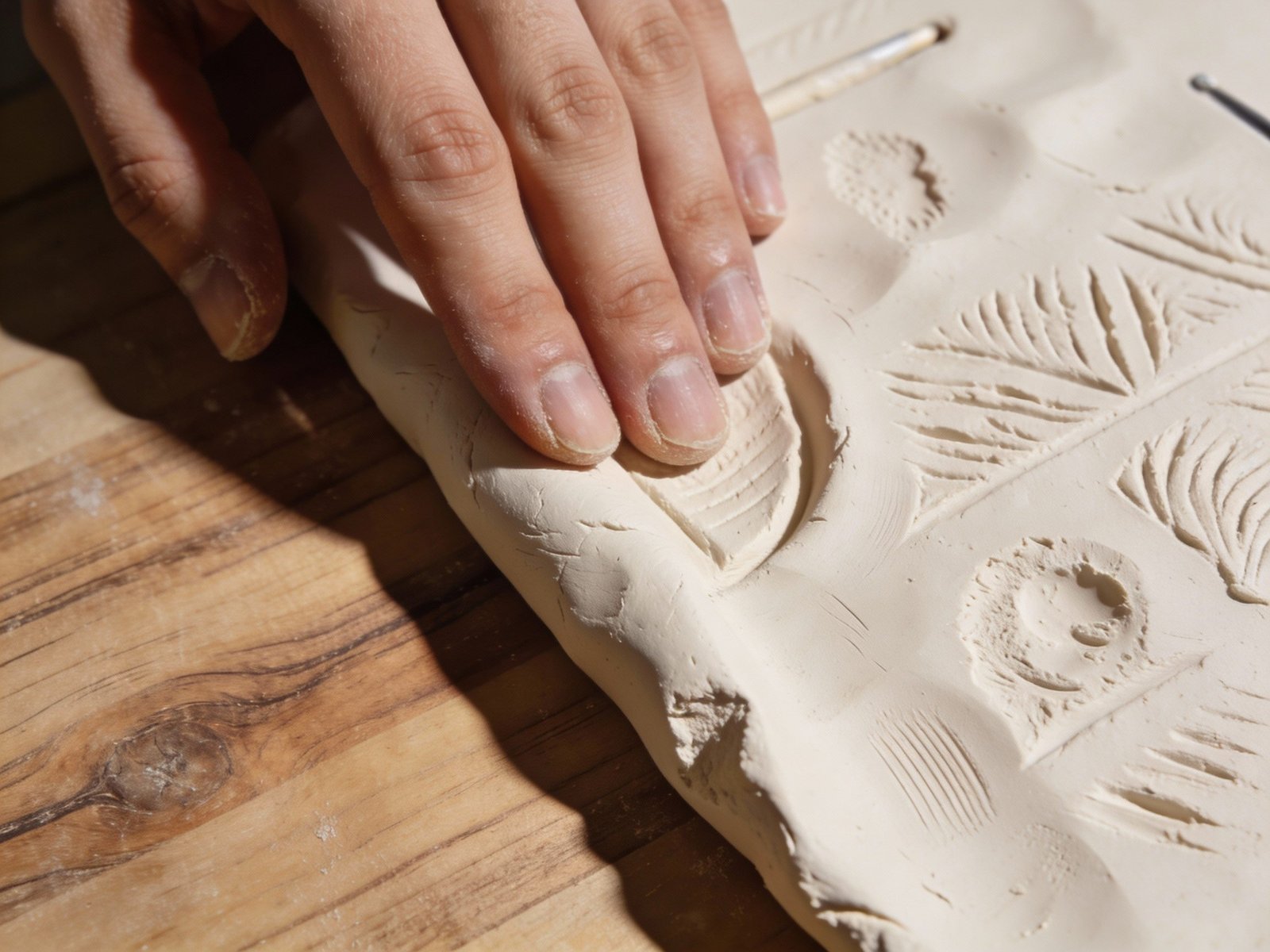
One of the most overlooked aspects of textural glazing is the role of the clay surface itself. Glaze responds to texture; it does not create it alone.
Carved lines, impressed patterns, altered rims, and subtle surface irregularities all influence how glaze breaks and pools. When layered glazes interact with textured clay, the results are far richer than glaze alone could achieve.
Artists who understand this relationship design their forms with glazing in mind from the very beginning.
Mastering Thickness and Timing
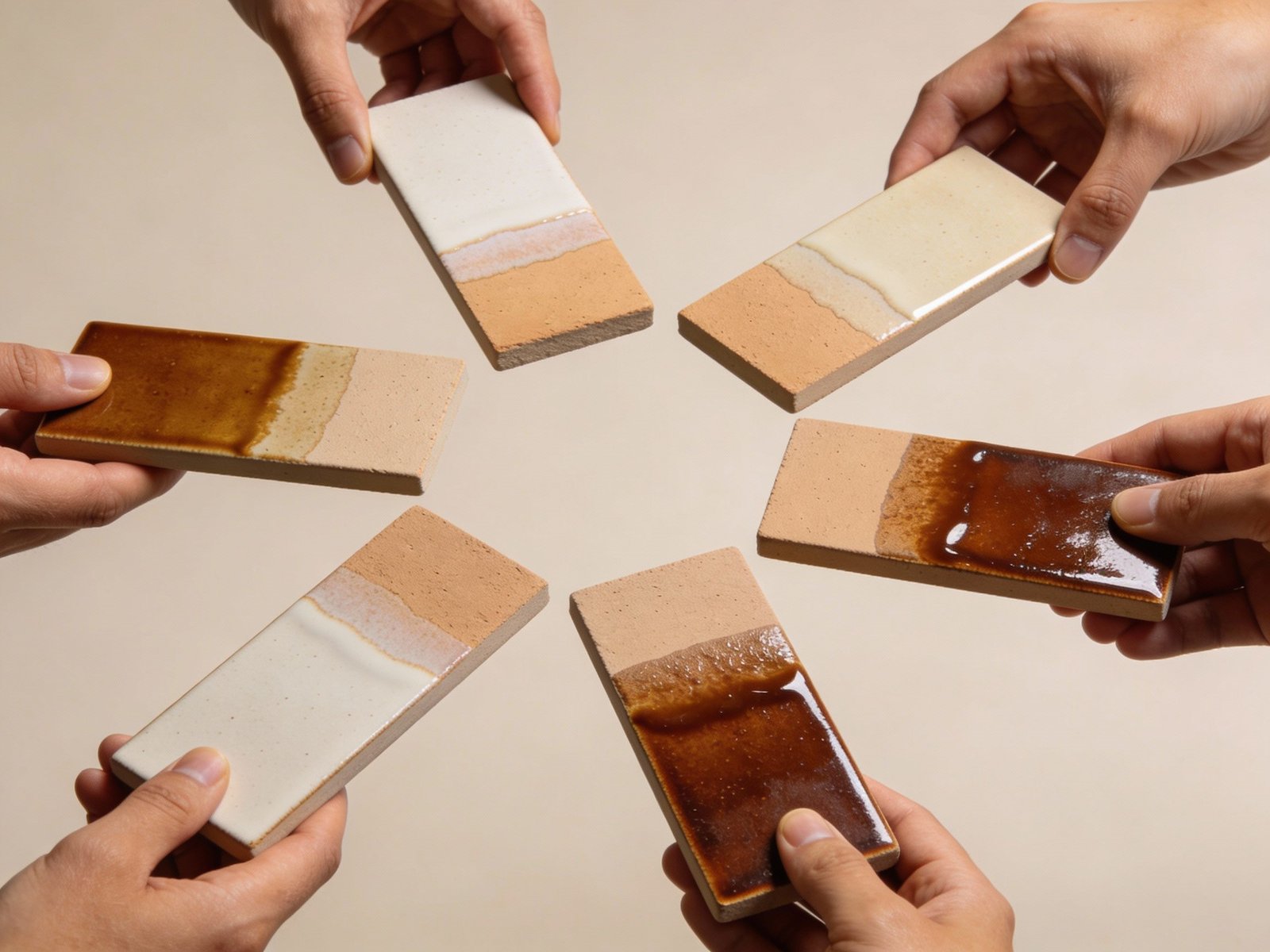
Glaze thickness is one of the most critical variables in layering. Too thin, and the effect disappears. Too thick, and the glaze runs, crawls, or blisters.
Each glaze has an optimal thickness range. When layering, those ranges overlap and influence one another. This is why testing is essential.
Timing also matters. Applying a second glaze while the first is slightly damp can create different results than waiting until it is completely dry. Some artists intentionally exploit this window to create softer transitions and subtle blending.
Common Mistakes in Layered Glazing
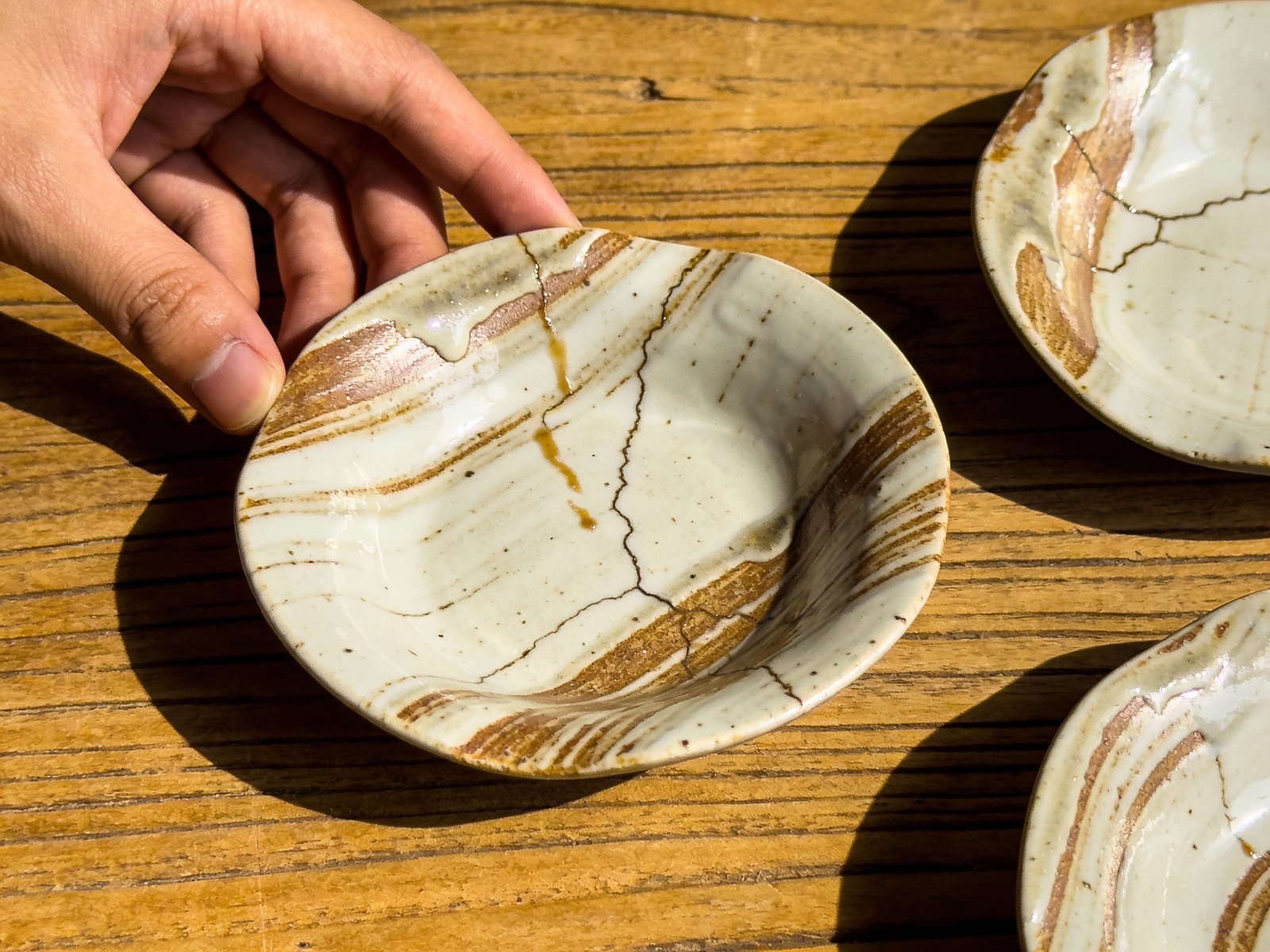
Many ceramic artists abandon layered glazing after a few failures. Most issues come from a small set of common mistakes.
One frequent problem is using incompatible glazes. Not all glazes are designed to work together, especially if they mature at different temperatures.
Another mistake is applying layers too thickly out of excitement. Layered glazing rewards patience and subtlety.
Skipping test tiles is another major issue. While testing may feel time-consuming, it ultimately saves materials, kiln space, and frustration.
Building a Personal Glaze Language
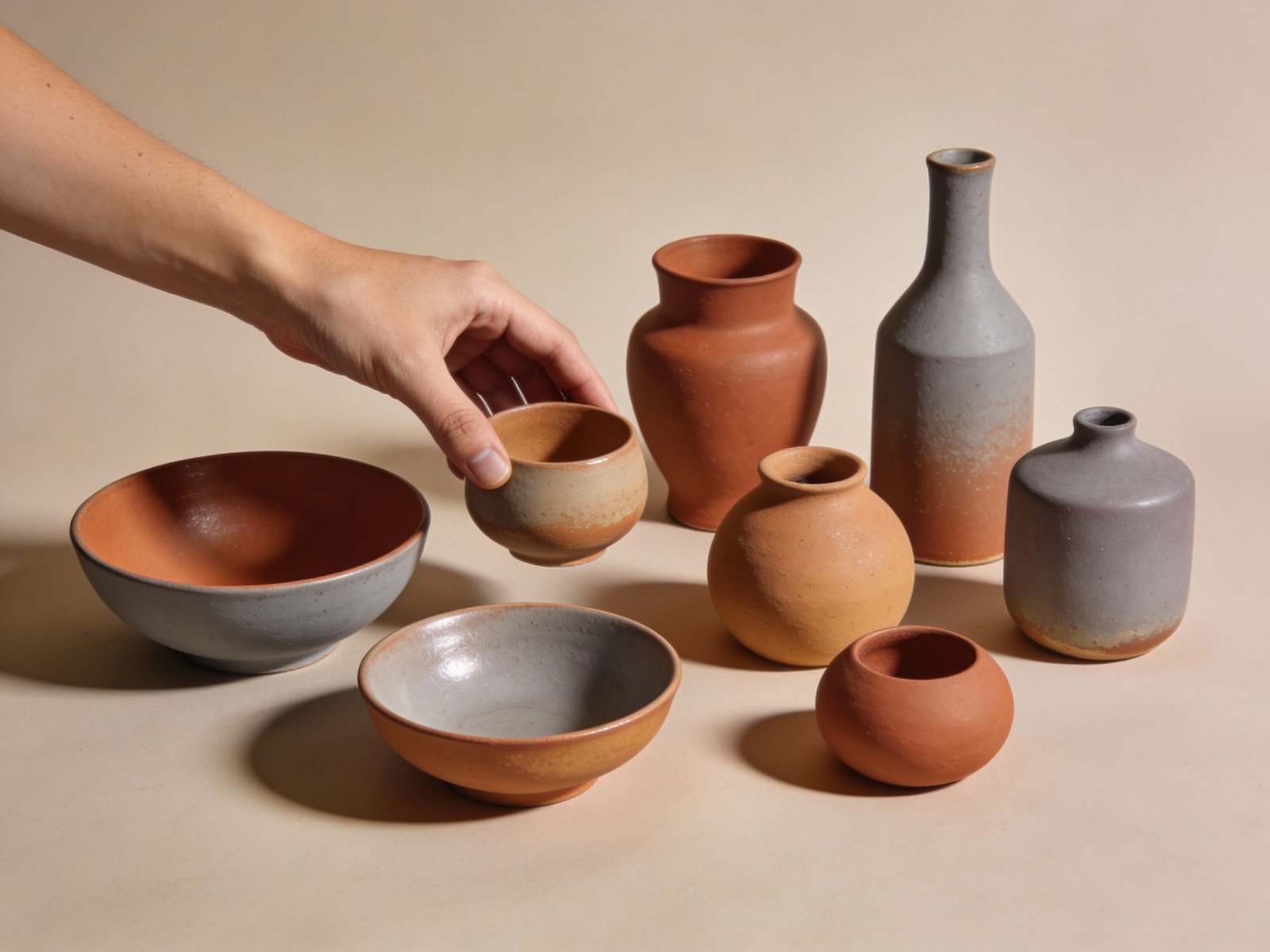
As artists gain experience, they begin to recognize patterns in their results. Certain glaze combinations consistently produce desirable effects. Over time, these combinations become part of a personal visual language.
This is where layered glazing becomes more than technique — it becomes identity.
Collectors and buyers respond strongly to cohesive surface language. When your work shows a consistent approach to texture and layering, it becomes recognizable even without a signature.
Documenting glaze combinations, application methods, and firing results is essential for developing this consistency.
The Role of Firing Atmosphere
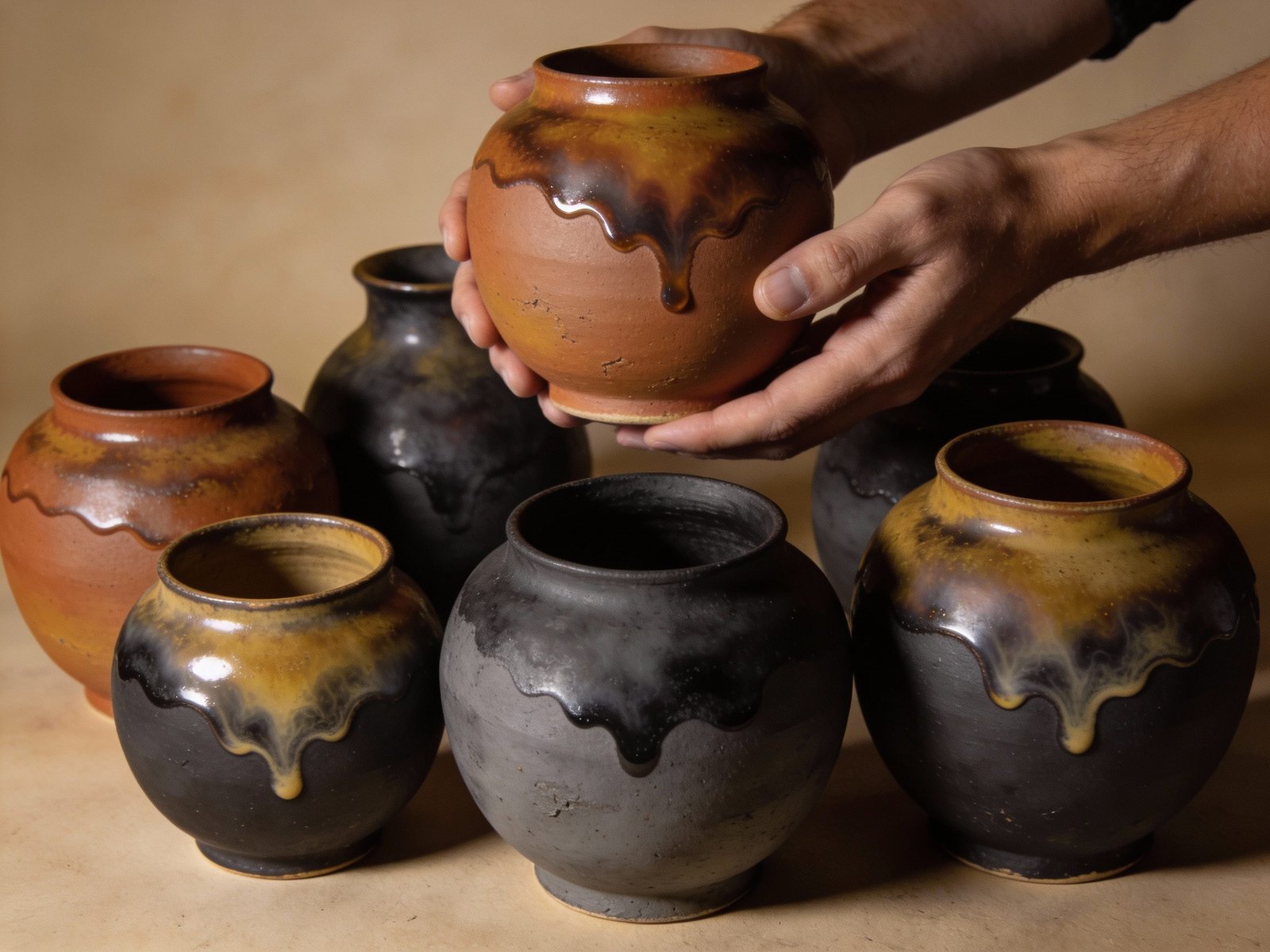
Layered and textural glazes respond dramatically to firing conditions. Oxidation, reduction, and alternative firings each influence color development and surface movement.
Even within the same firing type, variations in heating speed and cooling cycles affect glaze behavior. Slow cooling often enhances crystal development and depth, while fast cooling can freeze dramatic transitions.
Understanding your kiln is just as important as understanding your glazes.
Emotional Impact of Textural Surfaces
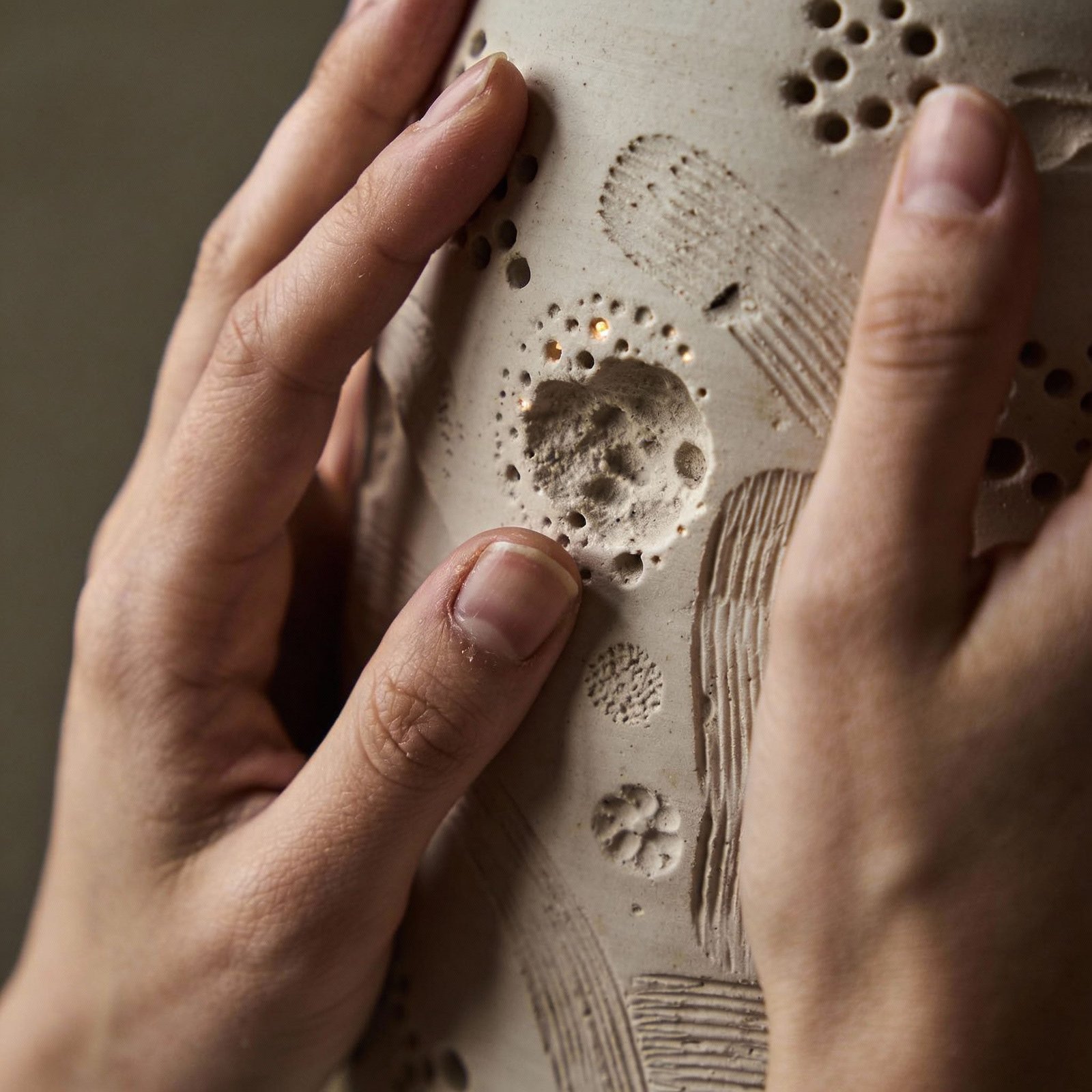
Beyond aesthetics, textured and layered glazes create emotional responses. Humans are naturally drawn to surfaces that suggest touch, age, and process.
A surface that reveals layers feels storied, as if it carries history. This emotional resonance is a powerful reason why textured ceramics feel more valuable and meaningful than flat, uniform surfaces.
In this sense, layered glazing is not just decoration — it is communication.
Layered Glazing in Contemporary Ceramic Design
Modern ceramic trends increasingly favor organic surfaces, muted complexity, and subtle variation. Layered glazing aligns perfectly with these values.
From functional tableware to sculptural vessels, artists are using layered glazes to blur the line between utility and art. Pieces feel grounded, natural, and human — qualities that resonate deeply with today’s audience.
This approach also fits well within minimalist aesthetics, where form remains simple while surface carries complexity.
Practical Workflow for Consistent Results
To successfully integrate layered glazing into regular production, artists benefit from a structured workflow.
This might include:
- Limiting active glaze combinations to a curated set
- Keeping detailed glaze logs
- Standardizing application methods
- Using test tiles for new variations
Consistency does not eliminate creativity; it provides a stable foundation for exploration.
When to Break the Rules
Once you understand how layered and textural glazes behave, intentional rule-breaking becomes possible. Some of the most exciting surfaces come from controlled accidents.
Allowing glazes to run slightly, overlap unpredictably, or interact in unexpected ways can lead to new discoveries. The key is knowing when experimentation is intentional rather than careless.
Great ceramic surfaces often exist at the edge of control.
The Long-Term Value of Mastery
Mastering layered and textural glazing is not a quick process. It requires time, observation, and a willingness to fail.
However, the rewards extend far beyond surface beauty. Artists who master these techniques gain confidence, creative freedom, and stronger market positioning.
Their work becomes harder to replicate and easier to recognize — two qualities that define lasting artistic success.
Conclusion: Beyond Surface, Toward Expression
Moving beyond dipping is not about abandoning simplicity. It is about expanding possibility.
Layered and textural glazes invite ceramic artists to think more deeply about surface, intention, and interaction. They transform glaze from a finishing step into a central part of the creative process.
When mastered, these techniques elevate ceramics from objects to experiences — pieces that hold light, memory, and emotion within their surfaces.
In the end, layered glazing is not just about what we see, but about what we feel when we hold a piece in our hands.
A really good blog and me back again.