
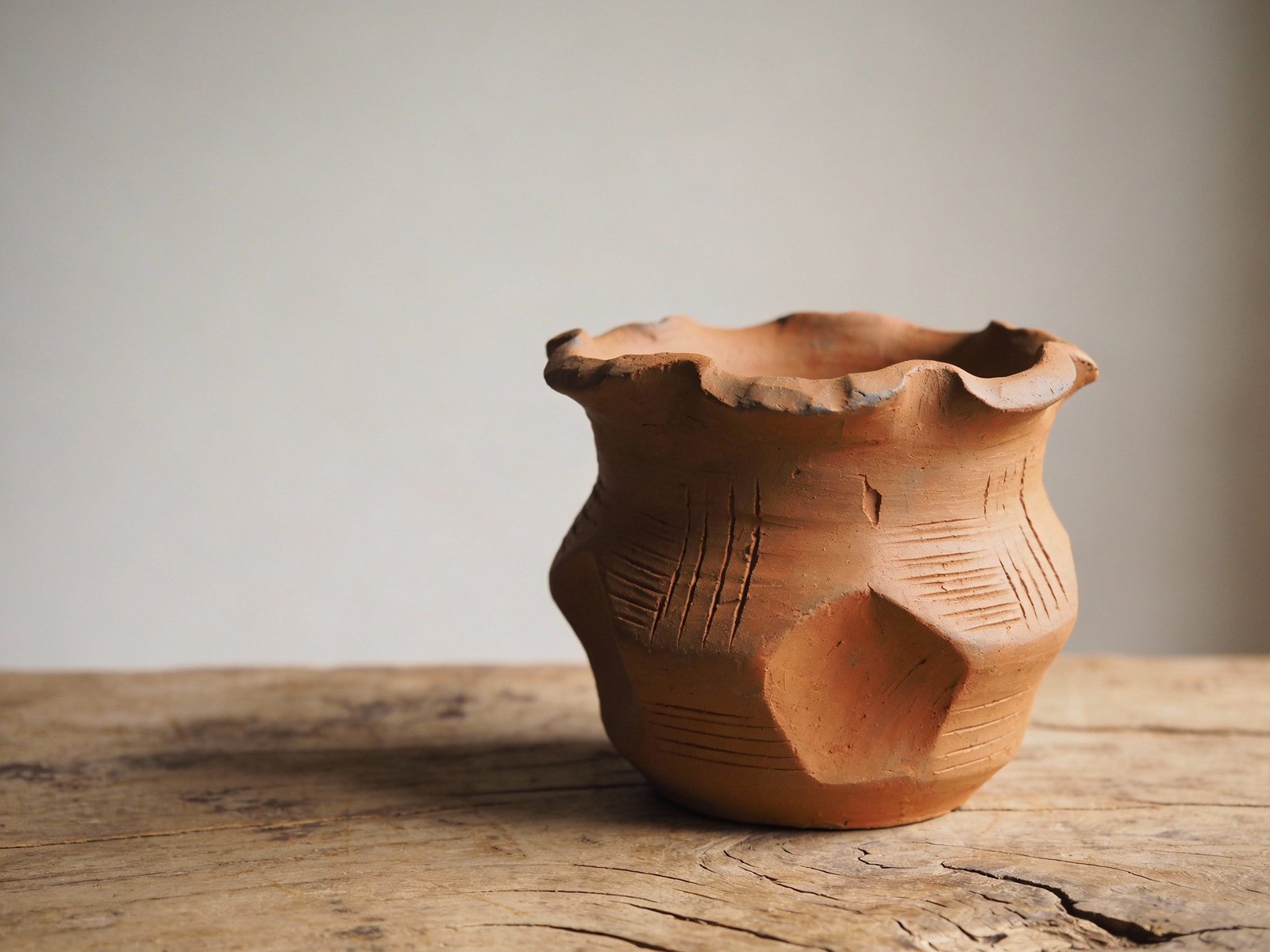
In a world filled with smooth surfaces and perfect symmetry, there is something deeply powerful about carving directly into clay. Kurinuki is not about control or precision—it is about discovery. Each cut reveals something unexpected, each hollowed form carries emotion, and every finished piece tells a story that could never be repeated.
For beginners, kurinuki can feel both intimidating and liberating. There is no wheel, no molds, and no strict rules. Instead, there is a solid block of clay and a simple question: What is hidden inside?
This guide is a complete introduction to kurinuki for beginners. We’ll explore what kurinuki is, where it comes from, why it’s growing in popularity, and how you can begin carving character into clay with confidence and intention.
What Is Kurinuki?

Kurinuki is a Japanese ceramic technique that involves carving a vessel from a solid block of clay rather than building it up or throwing it on a wheel. The word “kurinuki” roughly translates to “hollowing out”.
Instead of shaping clay outward, the artist removes material, carving the interior first and allowing the exterior form to emerge naturally. This reverse process creates vessels that feel raw, organic, and deeply personal.
Every kurinuki piece is:
- One of a kind
- Naturally asymmetrical
- Rich in texture
- Marked by the artist’s hand
There are no two kurinuki bowls alike—and that is exactly the point.
The Philosophy Behind Kurinuki
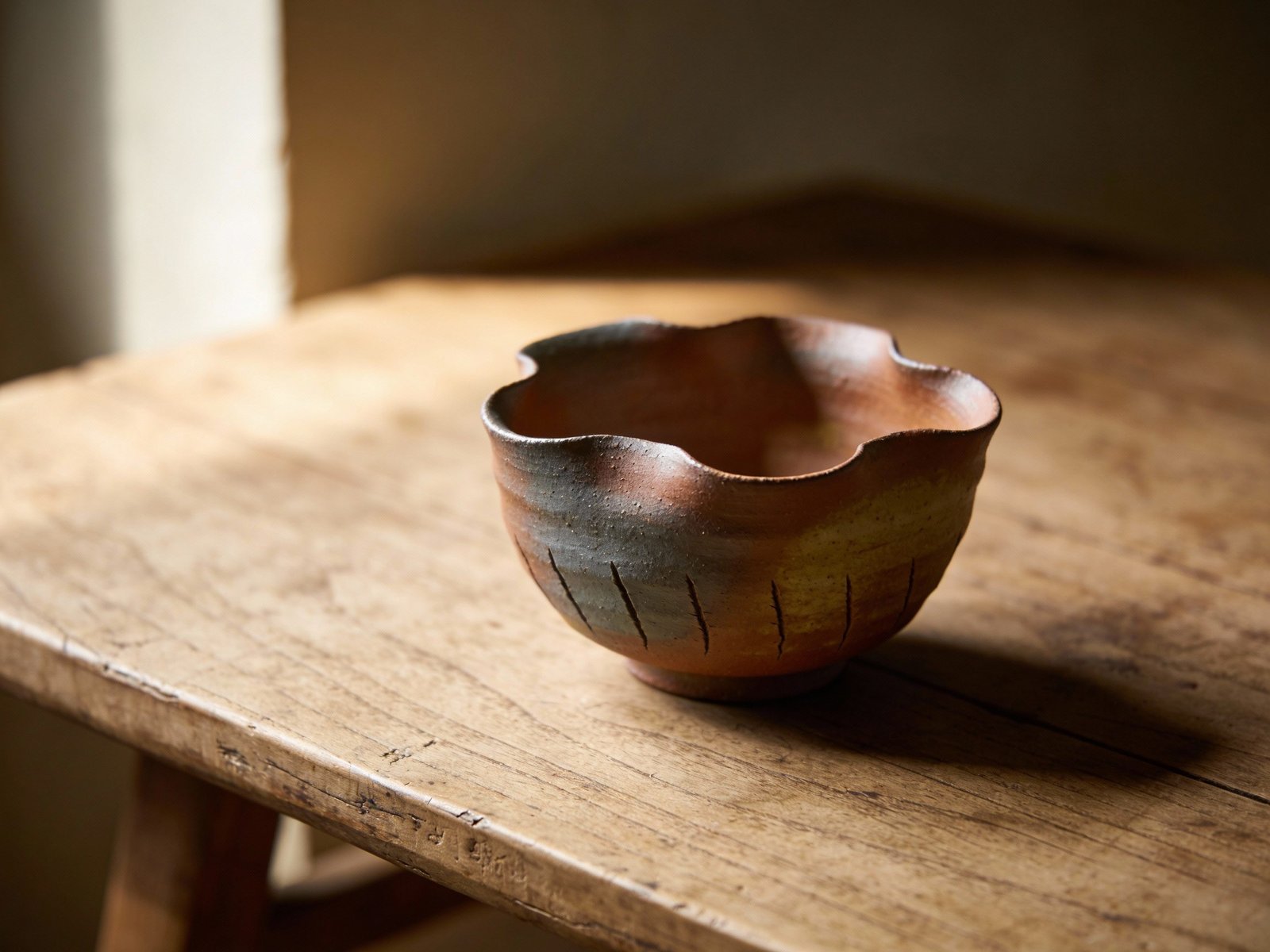
Kurinuki is more than a technique. It is a mindset.
At its core, kurinuki is closely connected to wabi-sabi, the Japanese philosophy that finds beauty in imperfection, impermanence, and simplicity. Instead of correcting irregularities, kurinuki embraces them.
When you carve clay this way:
- Mistakes become features
- Tool marks become decoration
- Uneven walls become character
Kurinuki teaches patience, humility, and presence. You cannot rush it. You cannot fully plan it. You must respond to the clay as it reveals itself.
Why Kurinuki Is Growing in Popularity
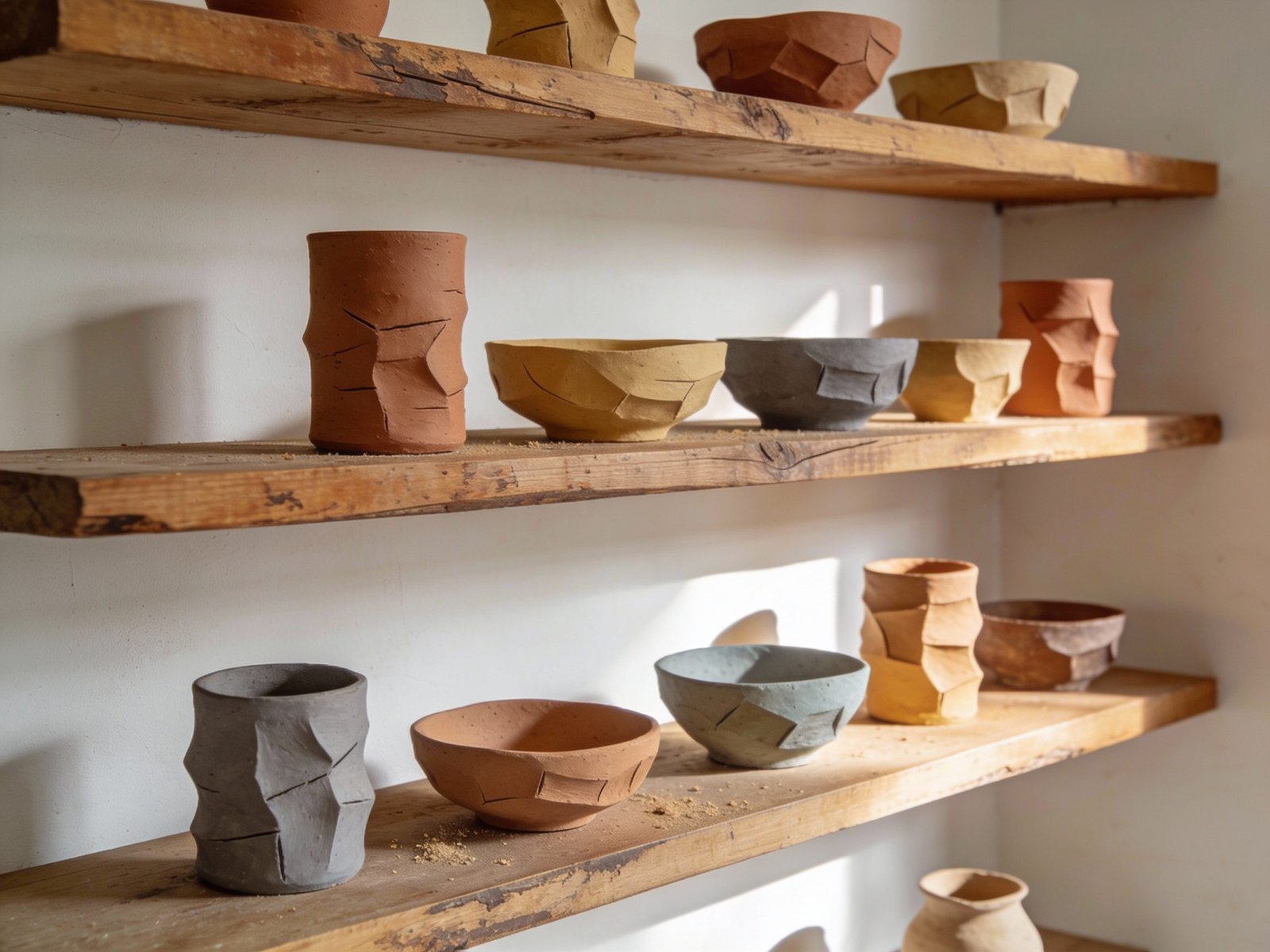
In recent years, kurinuki has captured the attention of ceramic artists, collectors, and designers around the world.
A Reaction to Perfection Culture
Mass-produced ceramics are smooth, identical, and predictable. Kurinuki offers the opposite: unpredictability, individuality, and emotional depth.
People today are craving objects that feel human. Kurinuki pieces show evidence of touch, effort, and time—qualities that machines cannot replicate.
A Slow, Meditative Process
Many artists describe kurinuki as calming and grounding. The repetitive act of carving, the focus required, and the slow emergence of form create a meditative rhythm.
For beginners especially, kurinuki can feel less intimidating than the wheel. There’s no spinning, no collapse anxiety—just you, clay, and simple tools.
High Value, Low Equipment
Kurinuki requires very little equipment, yet produces highly collectible results. This makes it appealing to beginners who want to explore expressive ceramics without a full studio setup.
Kurinuki vs Wheel Throwing: What’s the Difference?
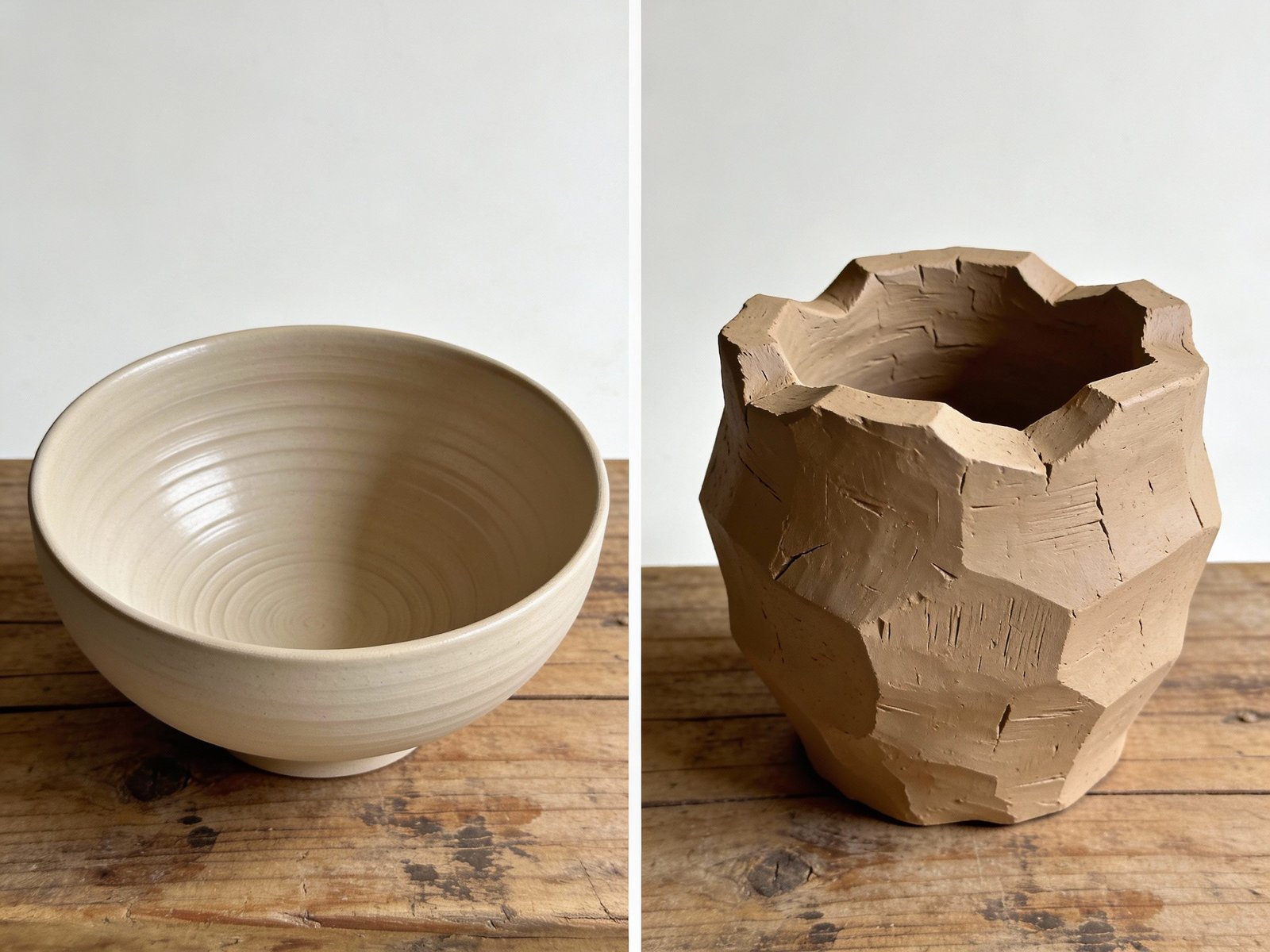
Understanding how kurinuki differs from wheel throwing helps beginners choose the right path.
Wheel throwing focuses on:
- Symmetry
- Control
- Repetition
- Precision
Kurinuki focuses on:
- Expression
- Texture
- Individuality
- Intuition
Wheel-thrown pieces often aim for consistency. Kurinuki pieces celebrate variation. Neither is better—just different languages of clay.
Many artists practice both, but kurinuki often becomes the technique they turn to when they want freedom.
Choosing the Right Clay for Kurinuki
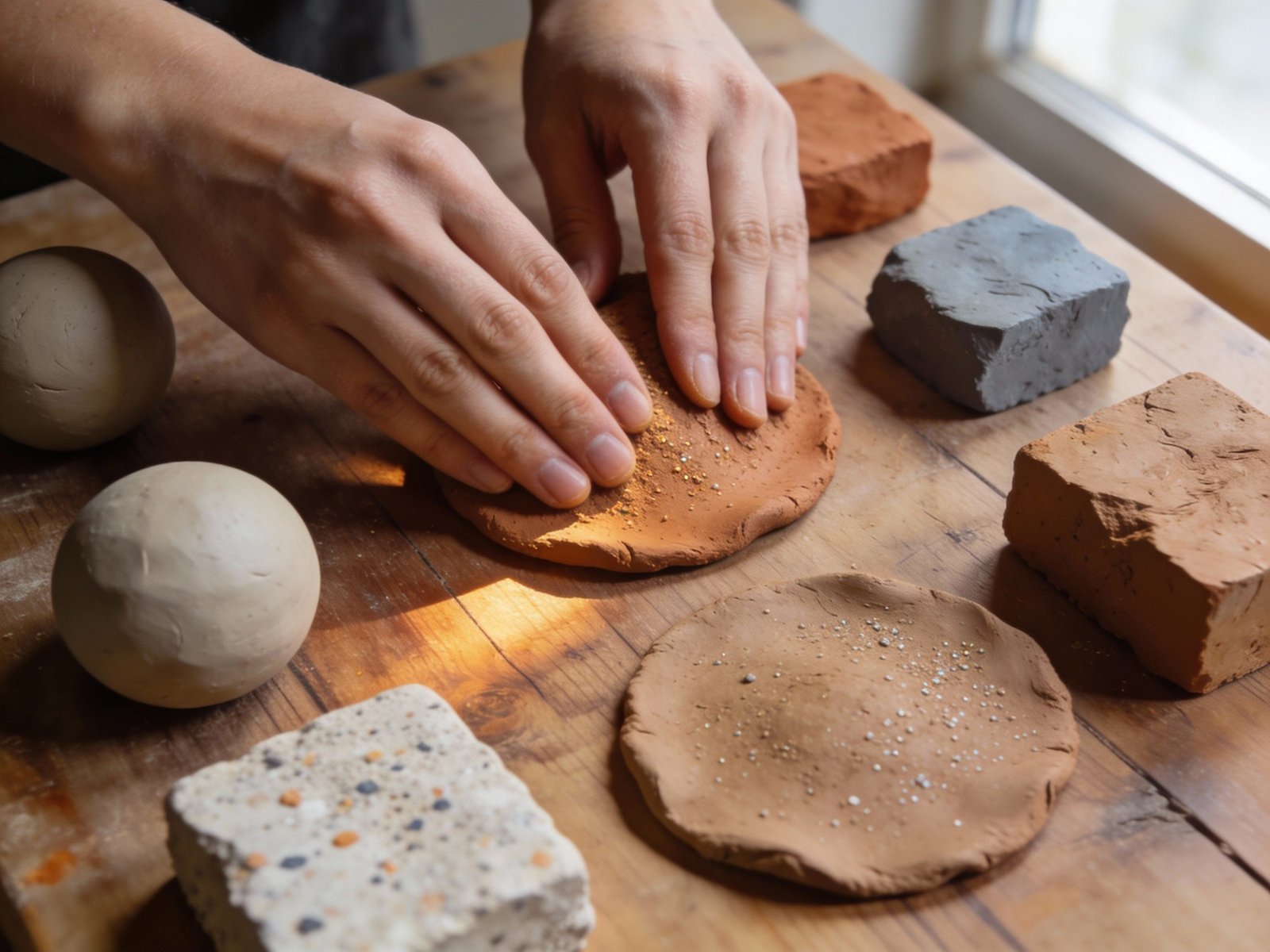
Clay choice plays a huge role in kurinuki success.
Best Clay Types for Beginners
- Stoneware with grog
- Sculpture clay
- Mid-range clay bodies
These clays are more forgiving, hold texture well, and resist cracking.
Clay to Avoid at First
- Porcelain
- Very smooth, fine clays
- Extremely plastic bodies
These clays are beautiful but less forgiving for carving and drying.
For beginners, durability matters more than refinement.
Essential Tools for Kurinuki (Keep It Simple)
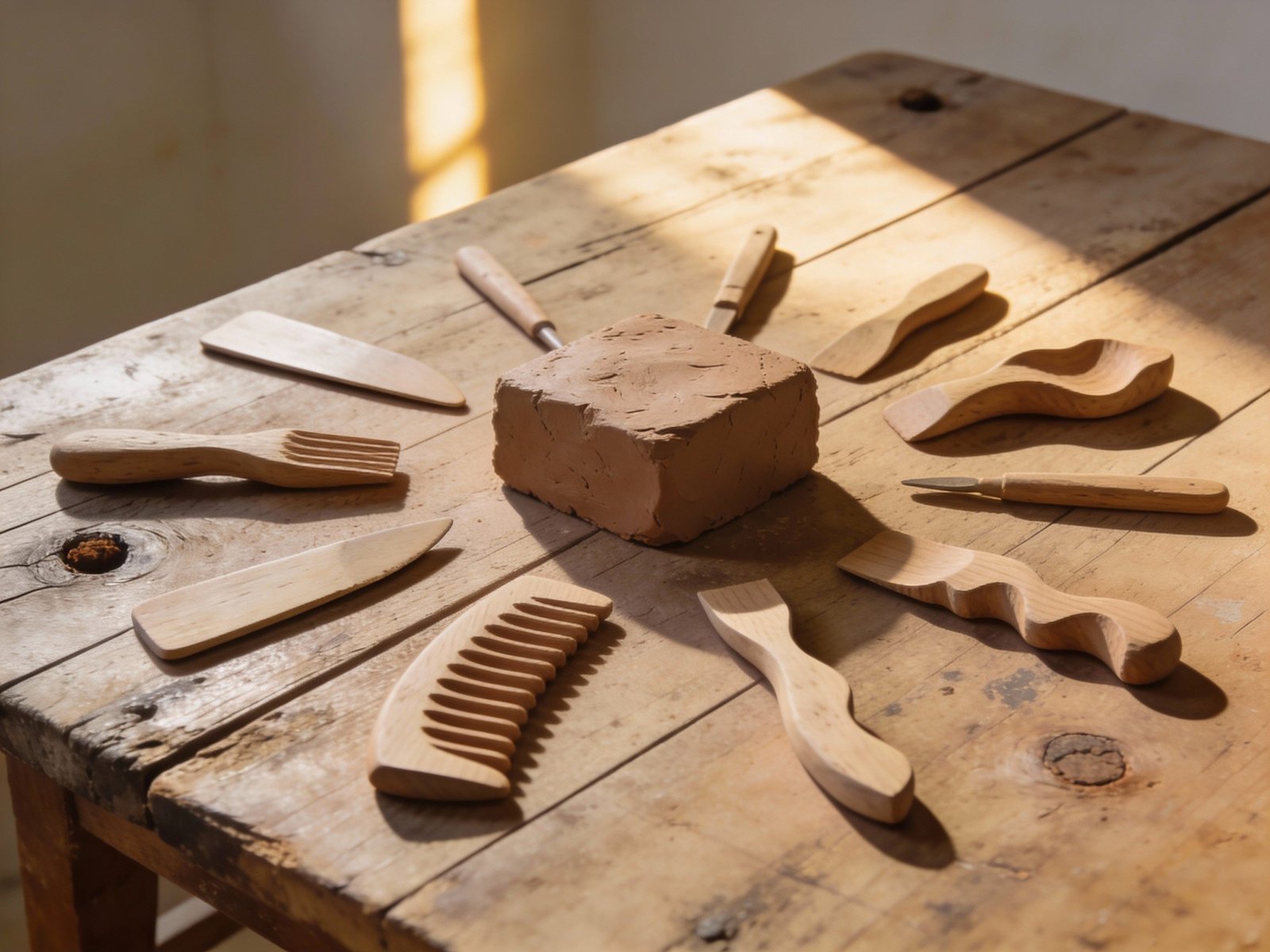
One of the joys of kurinuki is how few tools you actually need.
Basic tools include:
- A loop tool or carving tool
- A small knife or trimming tool
- A rib for smoothing
- A sponge
- Your hands
That’s it.
Kurinuki is not about fancy tools—it’s about sensitivity and observation.
Starting Your First Kurinuki Piece
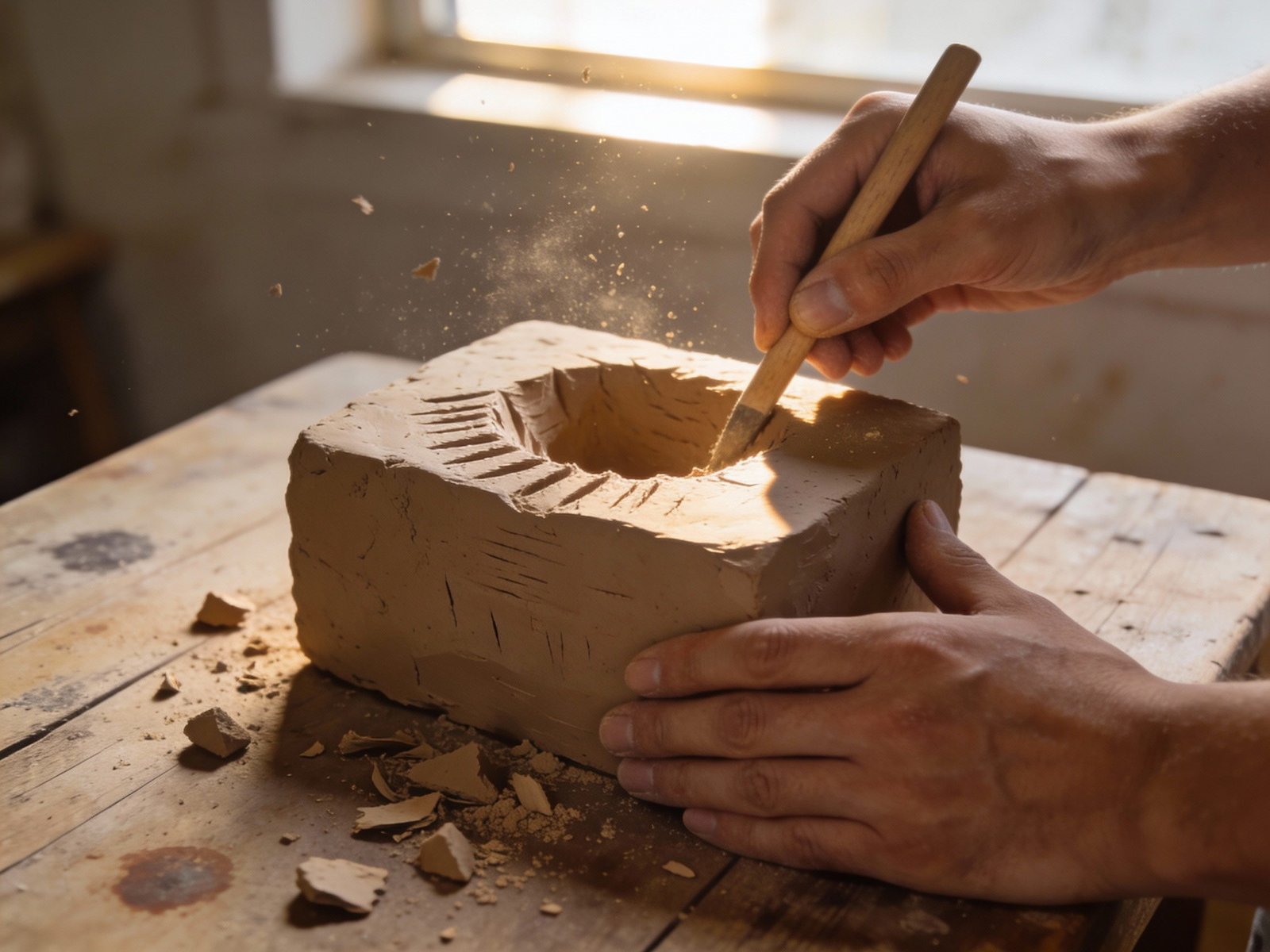
Step 1: Prepare a Solid Block
Start with a block of clay large enough to carve into—usually a rough cylinder or cube. Wedge it well to remove air bubbles.
The size of the block determines the final piece, so start slightly larger than you think you need.
Step 2: Hollow the Inside First
This is the heart of kurinuki.
Using a loop tool, carve directly into the center of the block. Work slowly. Rotate the piece as you carve. Focus on:
- Even thickness
- Gentle curves
- Listening to the clay
Do not rush this step. The interior shape will guide the outside form.
Step 3: Let the Exterior Reveal Itself
Once the inside is hollowed, begin shaping the outside. Rather than forcing symmetry, respond to what feels right.
Carve away excess clay. Follow the curves created by the interior. Allow the piece to lean, swell, or narrow naturally.
This is where character appears.
Step 4: Embrace Tool Marks
Do not smooth everything away.
Tool marks tell the story of the process. They add texture, depth, and authenticity. You can soften edges slightly, but avoid erasing the evidence of carving.
Drying Kurinuki Properly
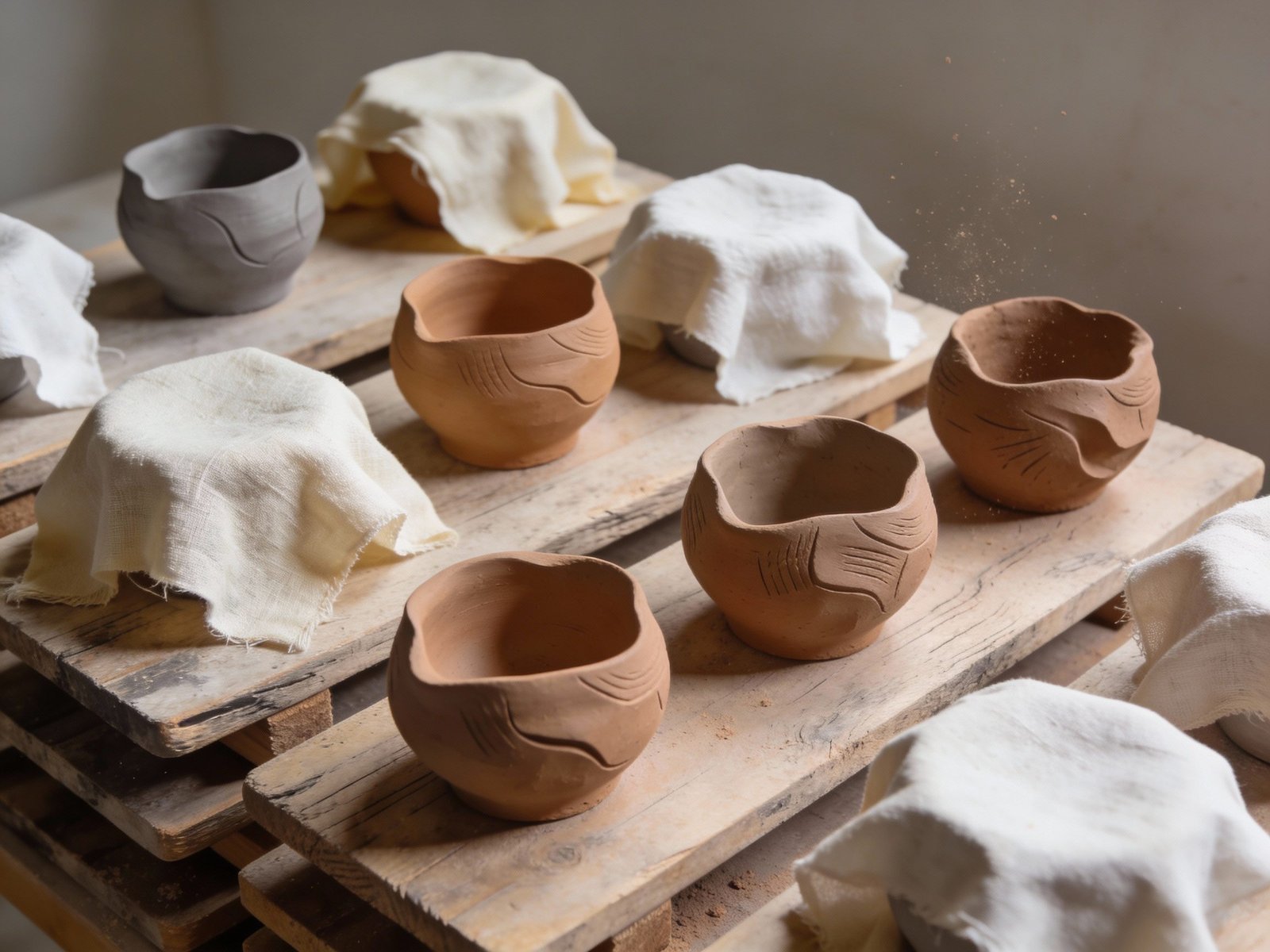
Drying is critical.
Kurinuki pieces are thick and uneven by nature, which means they must dry slowly.
Best practices:
- Cover loosely with plastic
- Dry in a cool, shaded area
- Turn the piece occasionally
- Be patient
Fast drying almost always leads to cracks.
Common Beginner Mistakes (And How to Avoid Them)
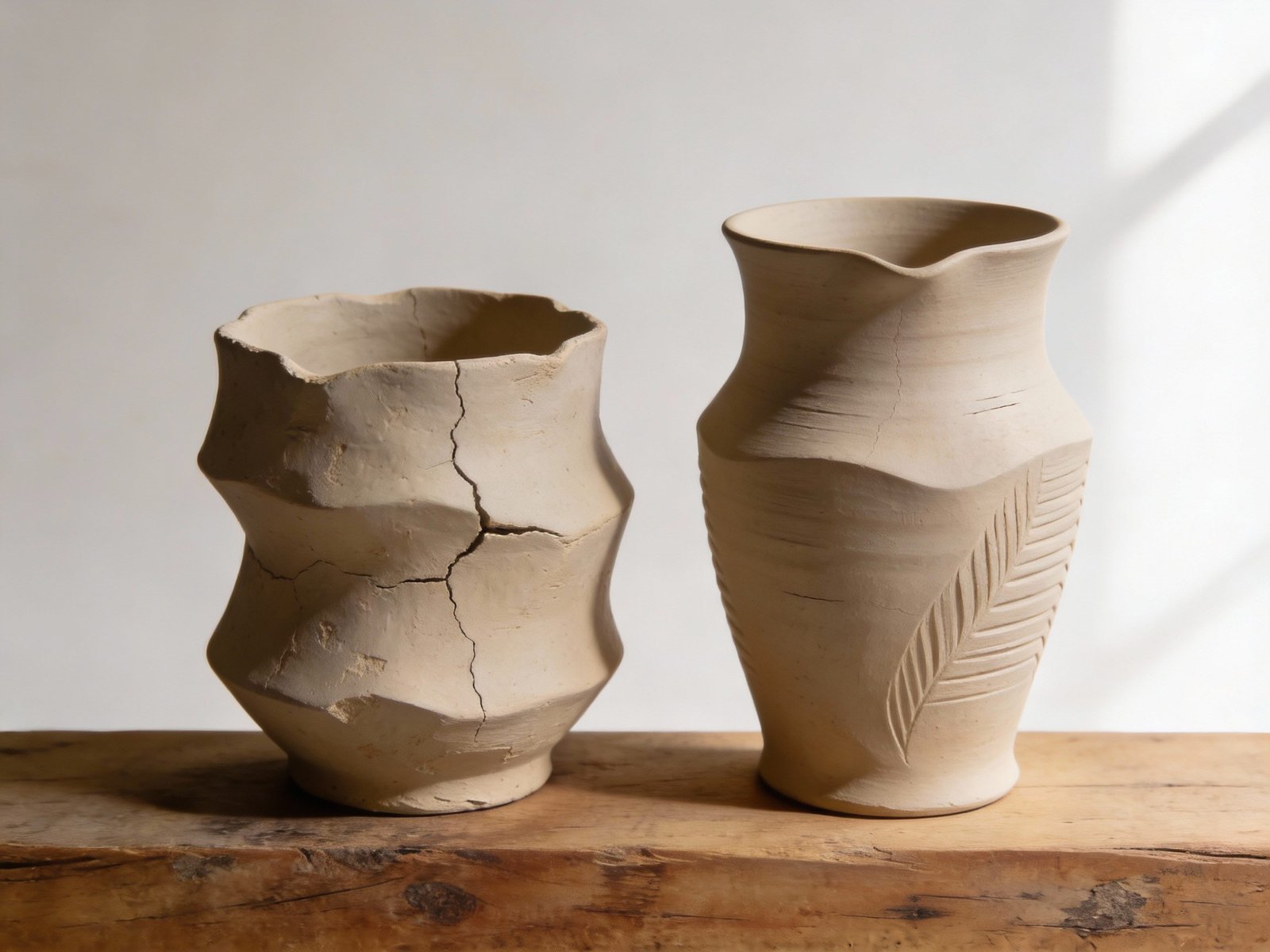
Carving Too Thin Too Fast
It’s easy to get excited and over-carve. Thin walls dry unevenly and crack.
Solution:
Carve gradually. Check thickness often.
Over-Smoothing
Beginners often try to “fix” the piece by smoothing it too much.
Solution:
Let the marks remain. Imperfection is part of kurinuki’s beauty.
Rushing the Process
Kurinuki rewards slowness.
Solution:
Work in sessions. Walk away and return with fresh eyes.
Glazing Kurinuki Pieces
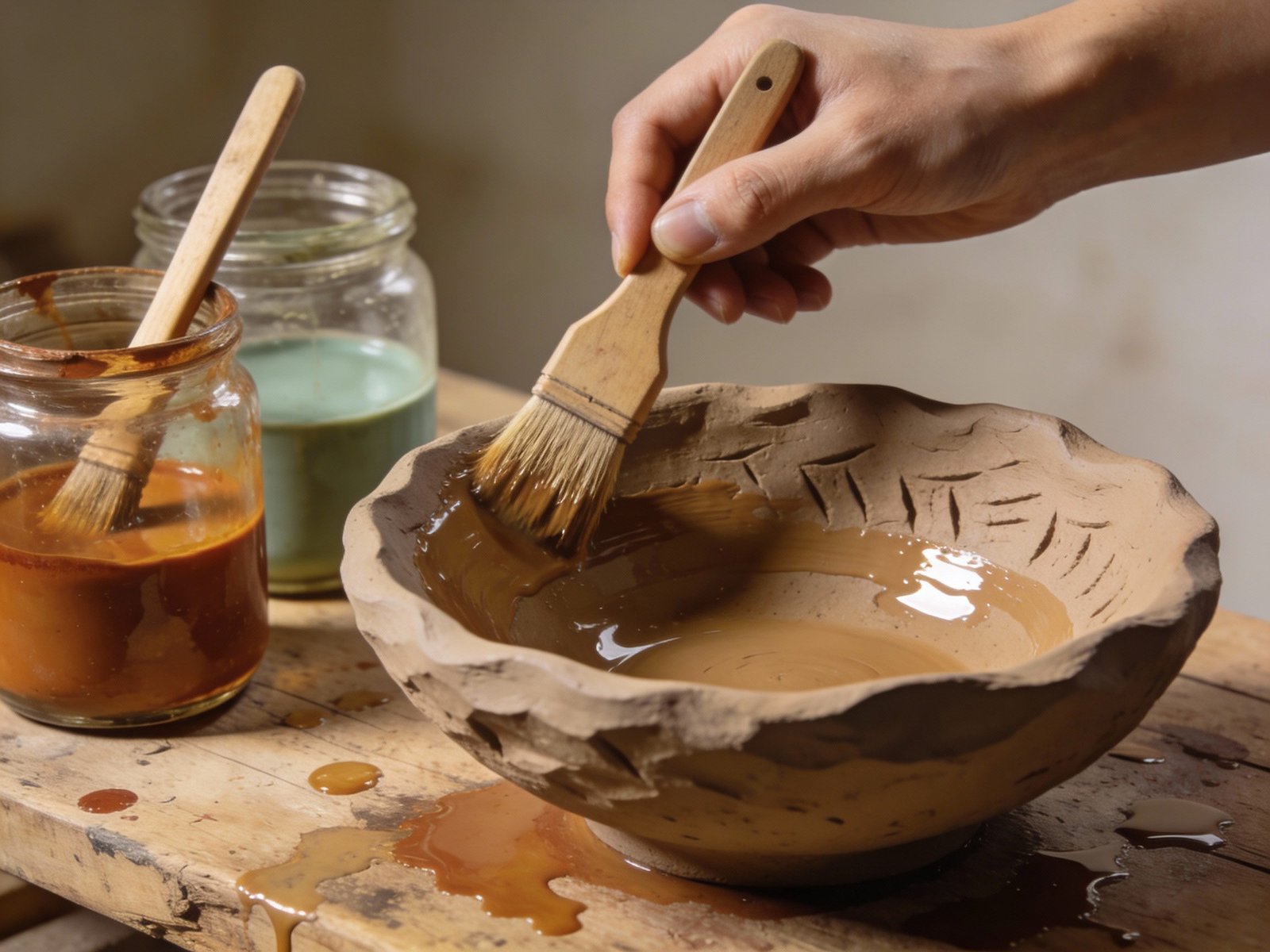
Glazing kurinuki is about enhancing texture, not hiding it.
Popular glaze styles include:
- Ash glazes
- Matte earth tones
- Shino-inspired surfaces
- Thin, flowing glazes
Avoid heavy, glossy glazes at first. They can overwhelm the carved surface.
Often, less glaze creates more depth.
Why Collectors Love Kurinuki
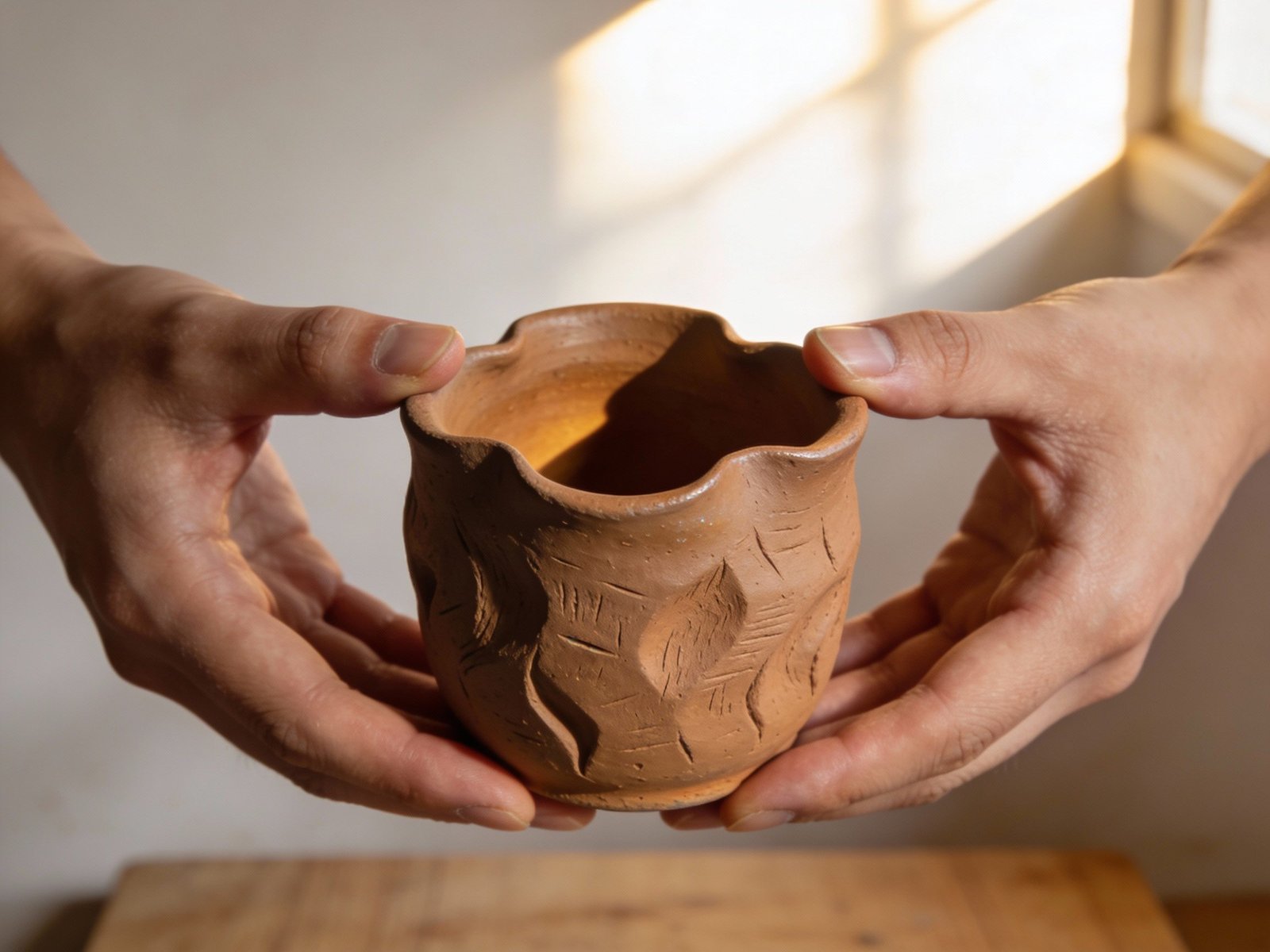
Collectors are drawn to kurinuki because each piece feels intimate.
They value:
- Visible handwork
- Unique forms
- Emotional presence
- Natural textures
A kurinuki cup feels different in the hand every time. A bowl feels alive rather than manufactured.
This emotional connection makes kurinuki highly collectible.
Kurinuki in Modern Design
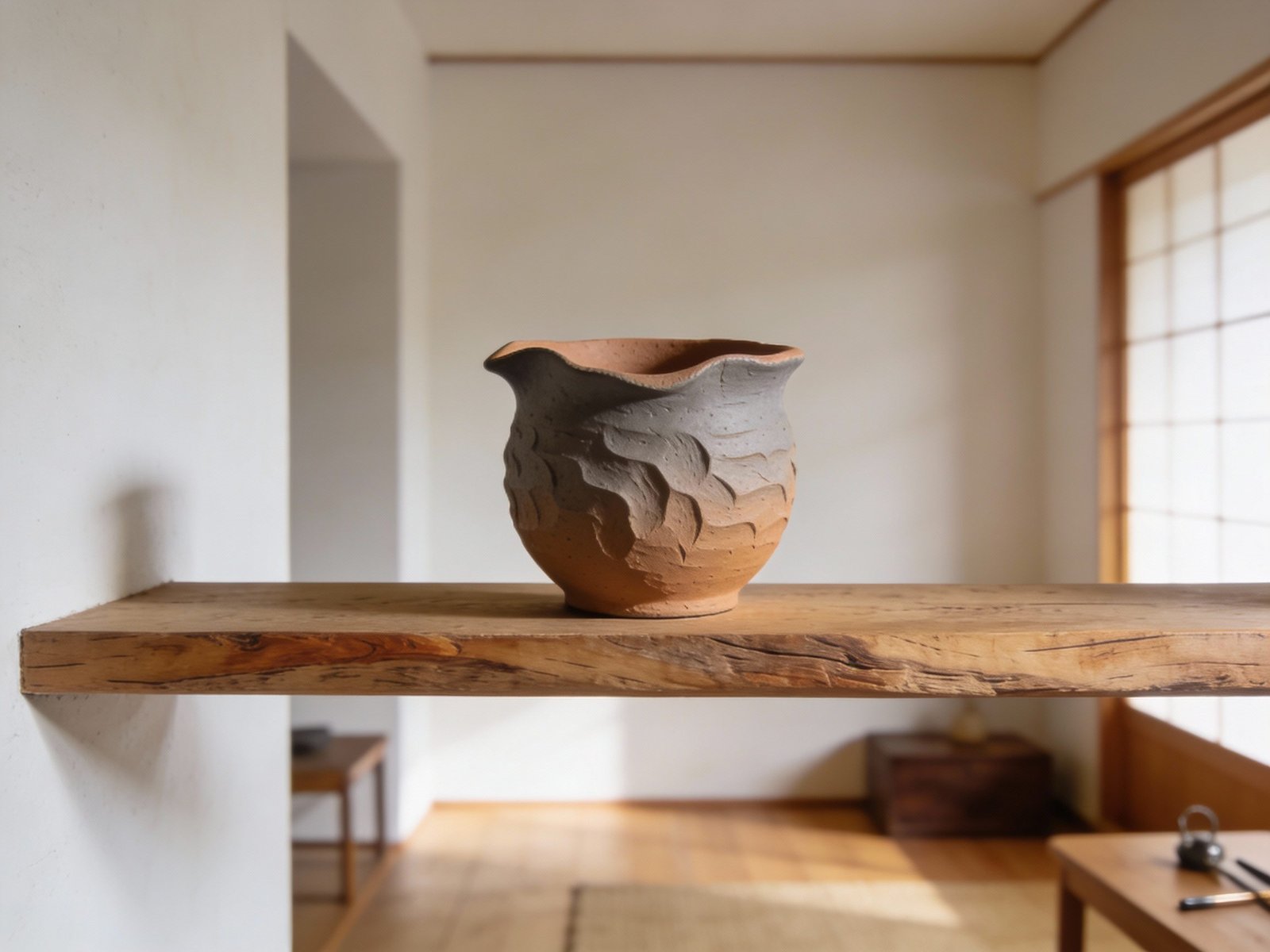
Interior designers increasingly use kurinuki pieces as focal points.
They work beautifully in:
- Minimalist spaces
- Rustic interiors
- Modern organic design
- Wabi-sabi inspired homes
A single kurinuki vessel can anchor an entire room with quiet strength.
Learning to Trust Your Instincts
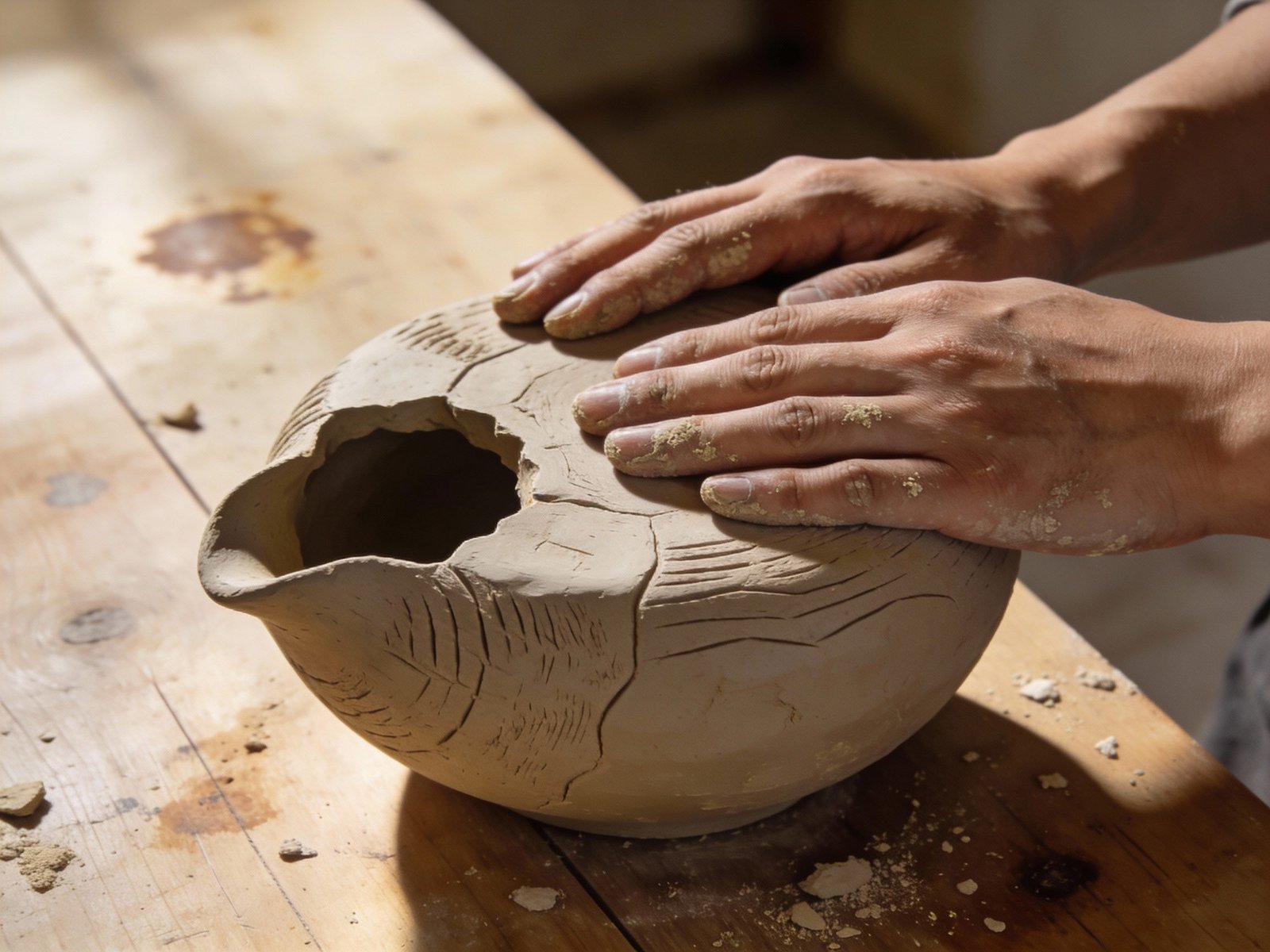
Kurinuki teaches beginners something essential: trust.
There is no perfect plan. There is no template. Each decision matters, but none are irreversible.
With practice, you learn to:
- Read the clay
- Feel balance
- Accept surprise
This intuitive skill carries into all areas of ceramic work.
Why Kurinuki Is Perfect for Beginners
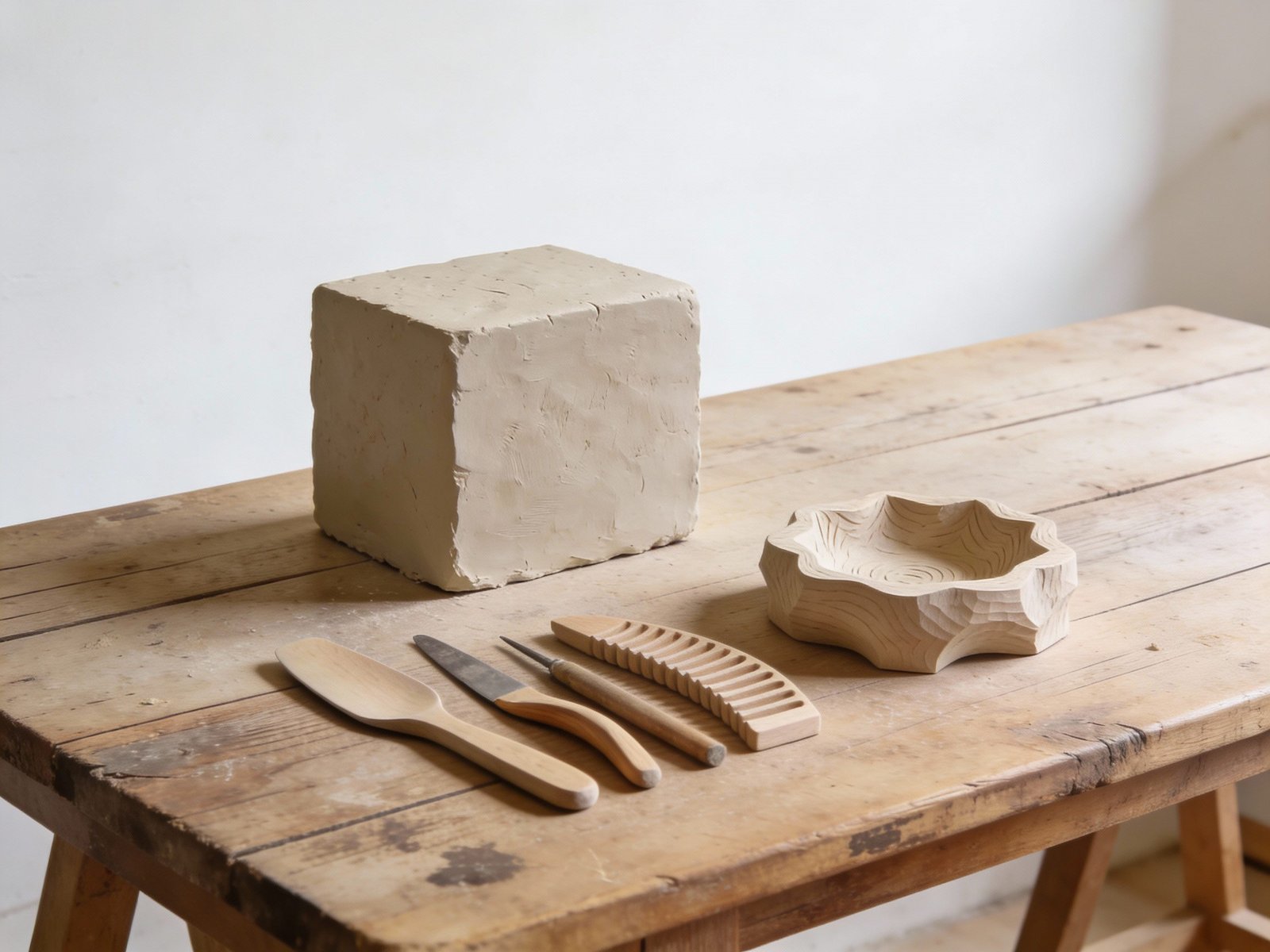
Despite its artistic depth, kurinuki is incredibly beginner-friendly.
You don’t need:
- A wheel
- Perfect coordination
- Technical mastery
You need curiosity, patience, and willingness to let go.
Many beginners find kurinuki less stressful and more expressive than other methods.
Kurinuki as a Personal Journey
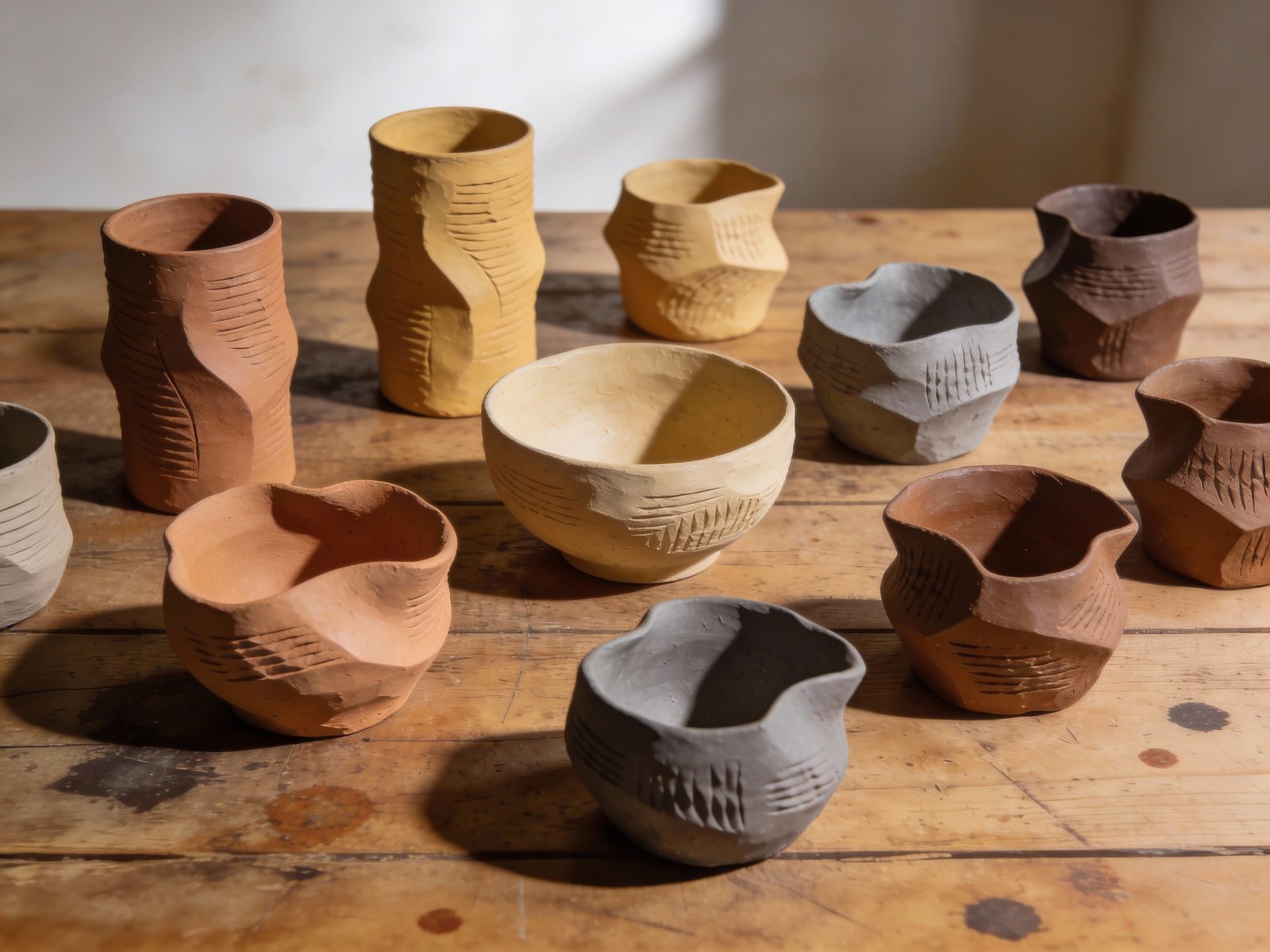
Every kurinuki piece reflects the maker’s state of mind.
Some are calm and soft.
Some are bold and rough.
Some are quiet and minimal.
Over time, your style emerges naturally. You don’t force it—you carve it.
Final Thoughts: Let the Clay Speak
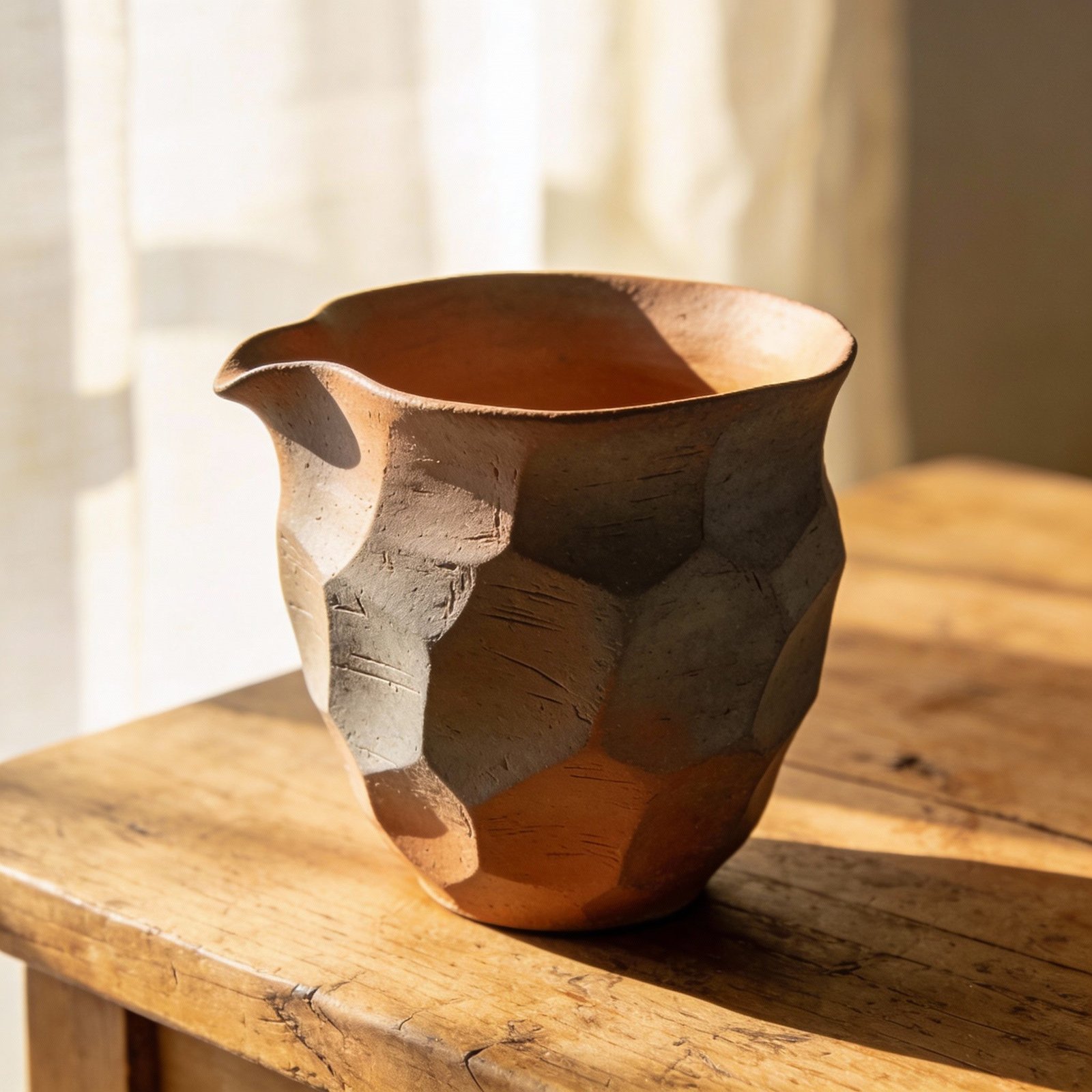
Kurinuki is not about making perfect pottery.
It’s about listening.
It’s about removing rather than adding.
It’s about discovering what already exists within the clay.
For beginners, kurinuki offers freedom. There is no right or wrong—only response and presence.
When you carve clay this way, you’re not just shaping an object.
You’re carving character.