

When the temperature drops and the days grow shorter, people instinctively turn inward—seeking warmth, comfort, and connection. In design, this emotional shift gives rise to a distinct aesthetic: soft textures, earthy tones, and the subtle glow of handcrafted ceramics that make spaces feel alive.
Welcome to Cozy Winter Ceramics, where artistry meets atmosphere. In this world, clay becomes not just a medium—but a feeling. Each handmade bowl, mug, or vase whispers warmth, turning even a quiet winter afternoon into something poetic.
In 2025, this trend continues to expand—pushing artisans, collectors, and home stylists toward authentic, human-centered craftsmanship. Whether you’re a ceramic artist, small brand owner, or design lover, understanding what makes winter ceramics irresistible can help your creations stand out and sell all season long.
1. The Emotional Power of Winter Design

Winter is a season of emotion—silence, reflection, and togetherness. As people spend more time indoors, their surroundings become a source of comfort and identity. Ceramics, with their tactile charm and natural textures, perfectly express this need for grounded beauty.
Unlike synthetic materials, clay breathes warmth. A handmade cup radiates the memory of its creation—the press of fingers, the heat of the kiln, the glaze that caught a drop of light just right. These imperfections give ceramics a soul.
“When you hold a handmade mug in winter, you’re not just holding clay—you’re holding time, warmth, and human intention.”
That’s why ceramic pieces thrive in the colder months. They don’t just decorate spaces—they transform them into sanctuaries.
2. Key Winter Ceramic Trends for 2025
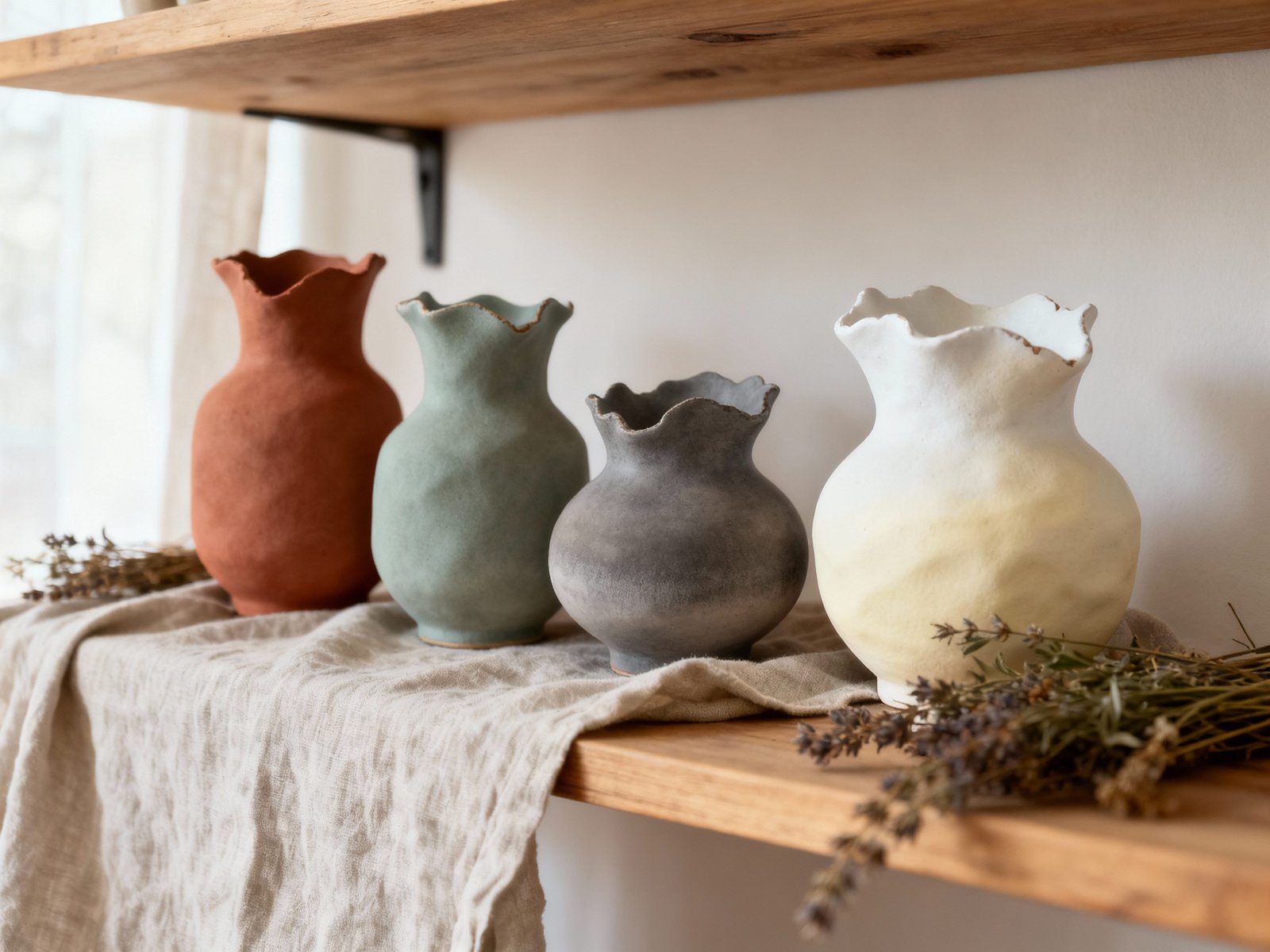
The modern winter table and interior are evolving beyond minimalism. In 2025, the focus shifts toward emotional minimalism—designs that remain simple, yet rich with warmth and texture. Here are the standout trends shaping the season:
a. Matte and Velvety Glazes
Glossy finishes are giving way to matte, tactile surfaces that feel soft to the touch. Think of snow-dusted whites, mushroom greys, and sandy taupes that catch light gently without glare. These finishes evoke calmness and serenity.
b. Earth and Fire Tones
This year’s winter palette celebrates natural depth—terracotta, chestnut, burnt sienna, soft olive, and creamy beige. These hues warm the eye and ground the space, blending beautifully with wool, linen, and wood textures.
c. Sculptural Simplicity
Forms are becoming bolder yet more restrained. Asymmetrical vases, softly curved mugs, and rounded plates define this aesthetic. Each object tells its story through its silhouette rather than decoration.
d. Layered Textures
Instead of uniform sets, winter ceramics invite layering. A coarse stoneware tray beneath a smooth porcelain cup creates contrast and visual warmth. The more tactile, the better—it’s about how the hand meets the material.
e. Handmade Imperfections
Irregular rims, uneven glaze drips, and subtle cracks are no longer mistakes—they’re emotional signatures of authenticity. These “imperfections” remind us that beauty can live in the irregular.
3. Designing Ceramics That Feel Like Warmth
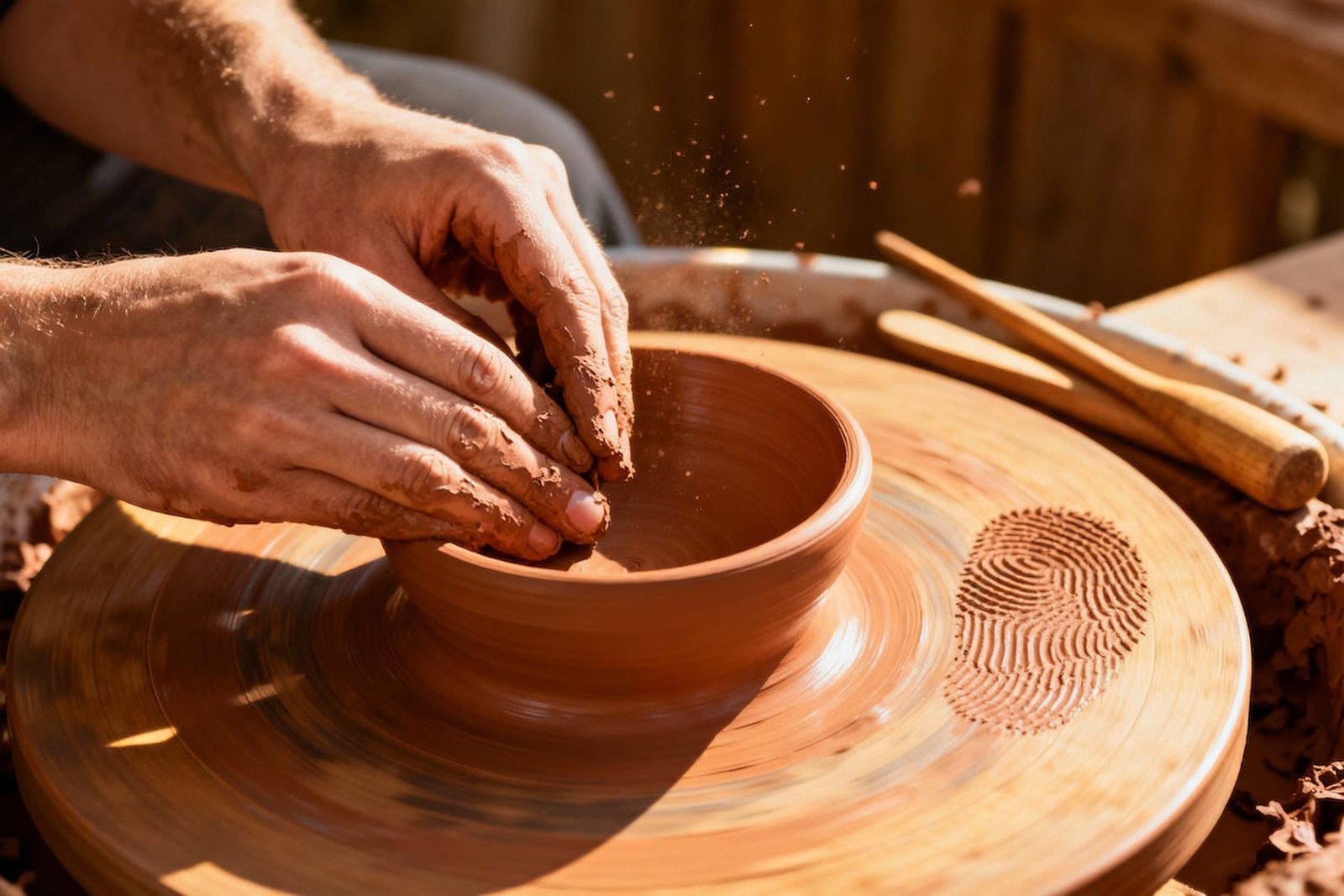
So how do you create ceramics that feel cozy and seasonal rather than simply looking it? The key lies in material storytelling.
Clay, glaze, and form can all express warmth in unique ways:
Choose Organic Clays
Stoneware and earthenware naturally retain a rustic character—perfect for winter. Their heavier body and rich texture give each piece a sense of grounding and stability.
Focus on Tactile Design
The touch is everything. Slight ridges, carved lines, or brushed textures encourage users to interact. In cold weather, that tactile engagement creates comfort.
Play with Natural Light
Winter ceramics shine under diffused daylight. Glazes that reveal depth—like layered matte whites or semi-transparent neutrals—add emotional subtlety to any setting.
Keep Forms Soft and Inviting
Sharp edges feel cold and sterile. Opt for rounded profiles that echo natural shapes: river stones, pebbles, or the gentle curve of a hand-thrown cup.
4. The Psychology of Warmth in Design

Behind every successful ceramic collection is an understanding of human emotion. In winter, people crave sensory reassurance—textures that ground, colors that soothe, and forms that invite touch.
Warmth in design is not just about temperature; it’s about emotional safety.
A mug with a matte glaze and rounded lip invites you to slow down. A hand-carved vase with soft shadows feels familiar, even if you’ve never seen it before. This is comfort design—a psychological response to authenticity and calm.
“People don’t just buy objects anymore—they buy feelings.”
For artisans, this means focusing less on mass perfection and more on meaningful design that connects emotionally.
5. Styling Ideas: How to Display Winter Ceramics
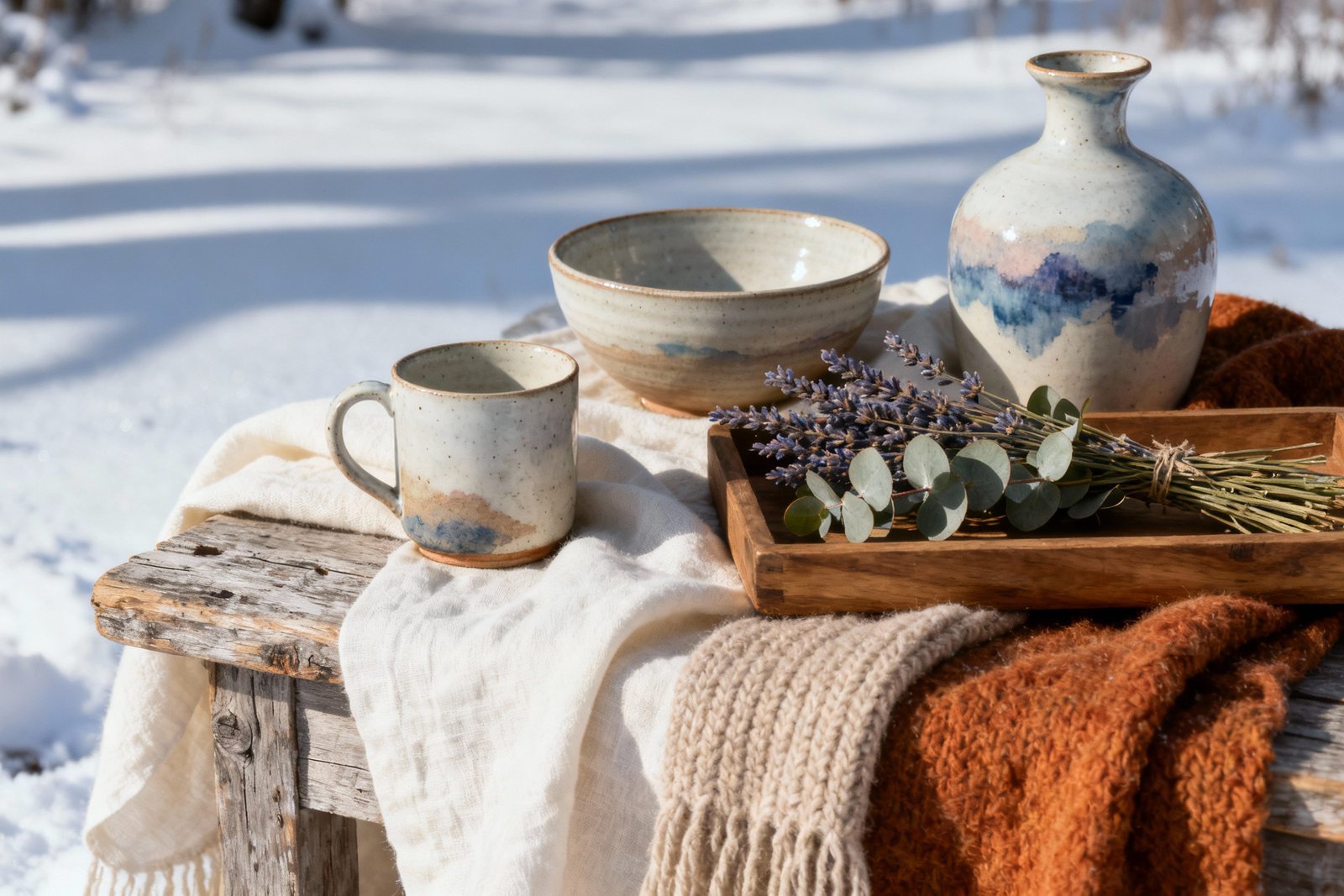
Presentation is part of the art. Whether for your studio, store, or photography setup, styling your ceramics to evoke the cozy season can elevate their emotional appeal.
Here’s how to create that effect:
a. Use Natural Backgrounds
Wooden tables, linen backdrops, and muted plaster walls highlight the raw character of ceramics. Avoid shiny or synthetic materials that break the organic rhythm.
b. Play with Shadow and Light
Soft morning light or golden-hour glow enhances textures. Shadows create intimacy and depth, emphasizing the tactile beauty of the glaze.
c. Limit Props
Let the ceramics breathe. Instead of cluttered scenes, focus on the object’s emotion. A single dried branch, a cup of tea, or a folded linen napkin can say more than a full setup.
d. Stay Seasonal, Not Thematic
You don’t need overt holiday décor—just elements that feel wintery: neutral tones, dried herbs, wooden trays, or gentle candlelight (no metal tools or cutlery).
6. Best-Selling Winter Ceramic Ideas
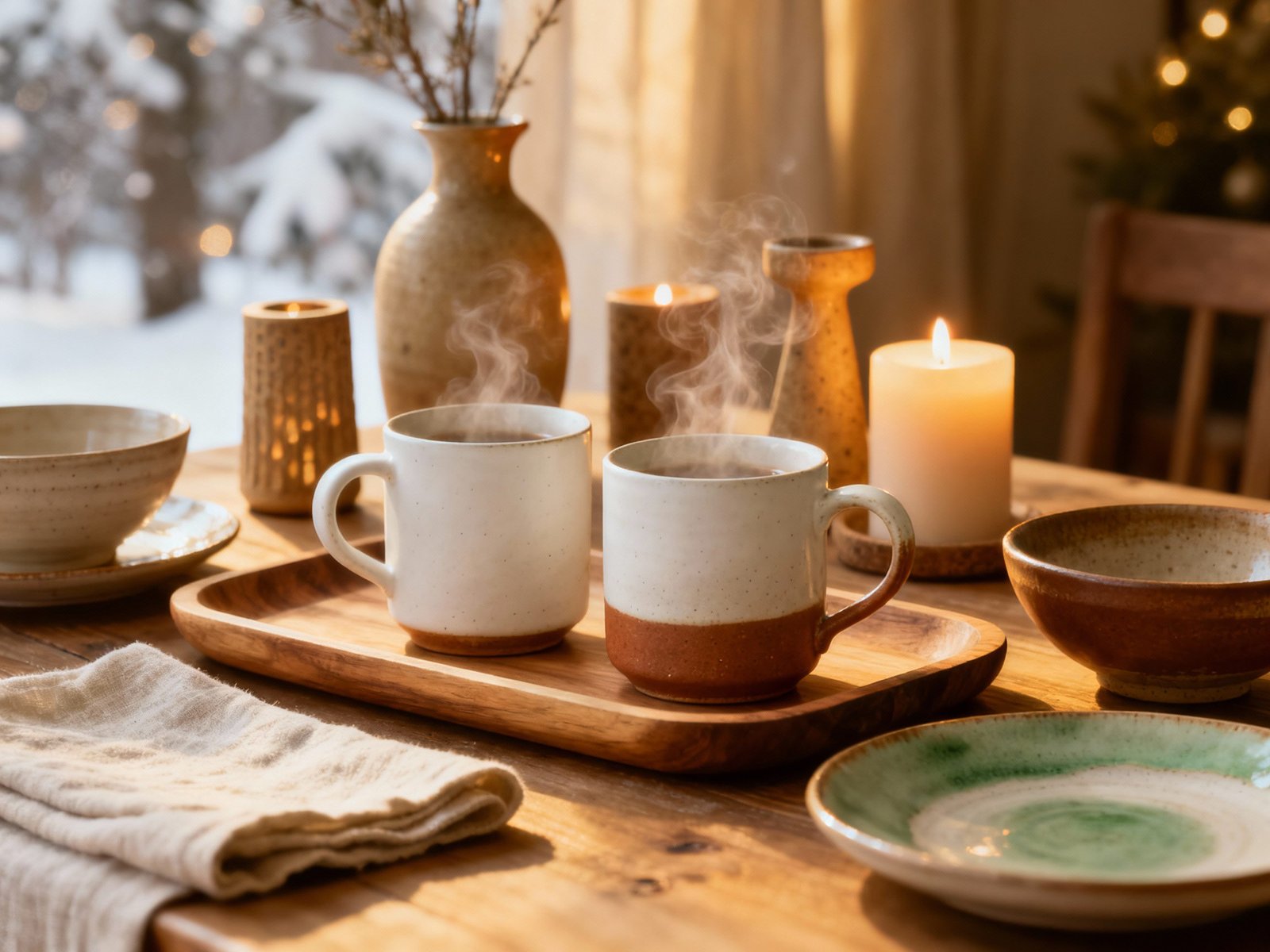
If you’re creating or curating a product line for the cold season, here are seven proven ceramic ideas that customers love year after year:
1. Hand-Thrown Mugs
The timeless bestseller. Create designs that fit the hand comfortably, with natural handles and earthy glazes. Consumers love the ritual of a warm drink in something handmade.
2. Minimalist Bowls
Perfect for soups and stews, bowls with subtle matte finishes and soft curves are both functional and aesthetic. They make dining feel intimate and soulful.
3. Candle Holders
Ceramic candleholders transform simple spaces. Use organic shapes, muted glazes, and tactile textures to evoke calm—ideal for winter evenings.
4. Sculptural Vases
Statement vases that feel handmade, not industrial, continue to dominate interior styling. Their irregular shapes create personality and visual balance.
5. Serving Trays
Low, wide ceramic trays with natural glazes add sophistication to any setting. They’re versatile—used for serving, décor, or display.
6. Textured Plates
Plates with carved or pressed patterns stand out beautifully when styled simply. Perfect for artisan dining or gift sets.
7. Tea Sets
Small teapots and cups with minimalist charm are increasingly popular in winter collections—symbols of slow living and mindful rituals.
7. Color Trends for Winter 2025
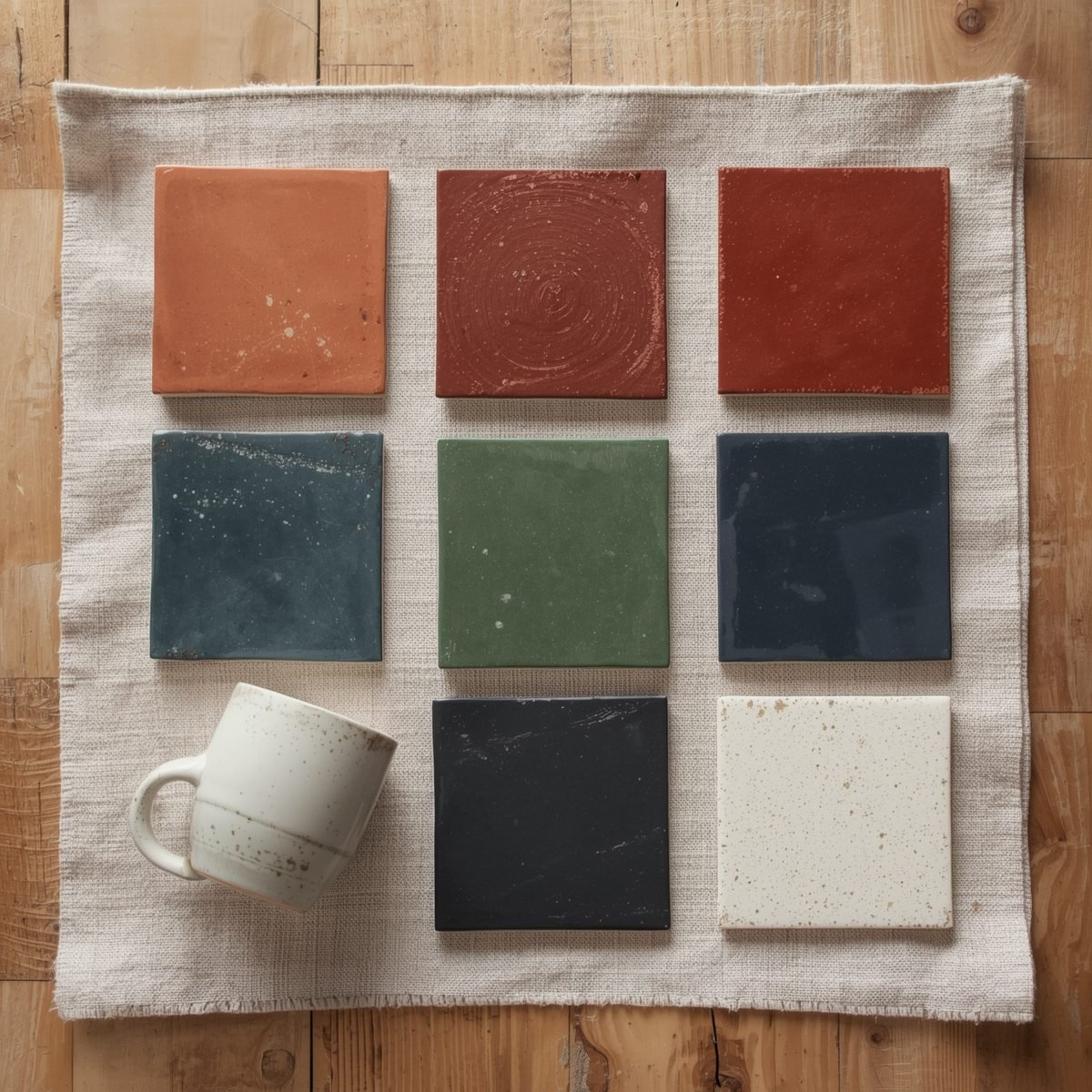
Colors have an emotional language. For winter, ceramics speak in soft, grounded tones—colors that bring calm, depth, and warmth to any interior.
Here are the palettes defining this year’s cozy aesthetic:
- Clay Neutrals: Soft beige, warm sand, stone grey
- Rustic Reds: Terracotta, cinnamon, muted coral
- Forest Greens: Sage, moss, olive
- Midnight Shades: Charcoal, deep navy, smoke blue
- Soft Whites: Snow cream, chalk, eggshell
Each shade should feel as if it came from nature itself—never artificial or overly polished.
8. Sustainable and Ethical Ceramics
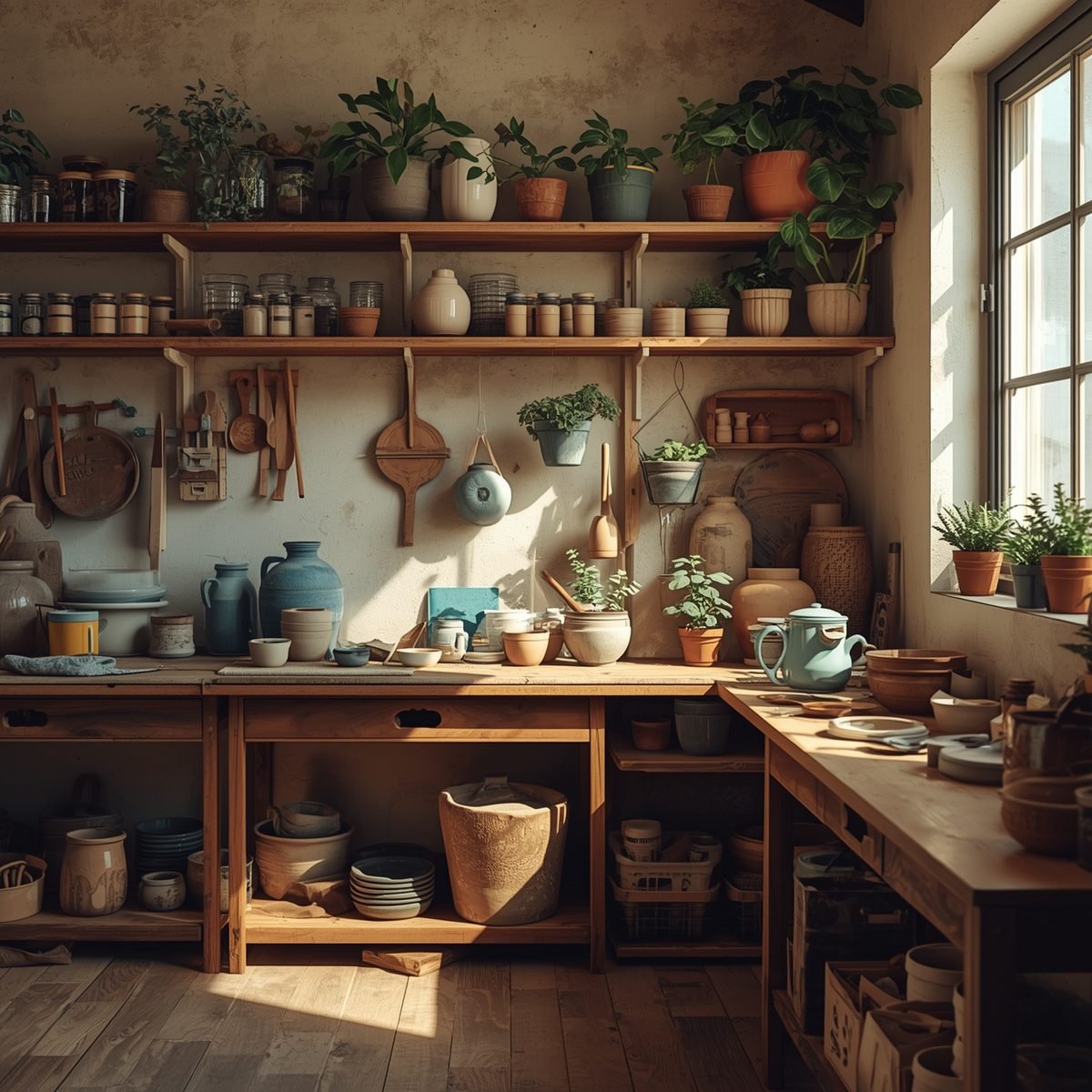
The appeal of handmade ceramics isn’t only aesthetic—it’s ethical. Modern buyers are increasingly mindful of sustainability, seeking pieces that respect both environment and craft.
Small Batch Production
Producing in small quantities ensures each piece gets proper attention while reducing waste. Customers appreciate knowing their purchase supports an artisan, not a factory.
Local Materials
Sourcing clay and glaze ingredients locally adds authenticity and reduces the carbon footprint. It also gives ceramics a distinct sense of place.
Eco-Friendly Glazes
Plant-based and low-toxin glazes align with modern eco-conscious living while maintaining artistry.
Longevity Over Trend
A well-made ceramic bowl can last generations. That durability itself is sustainability—art that resists disposability.
9. Capturing the Soul: Photography and Presentation
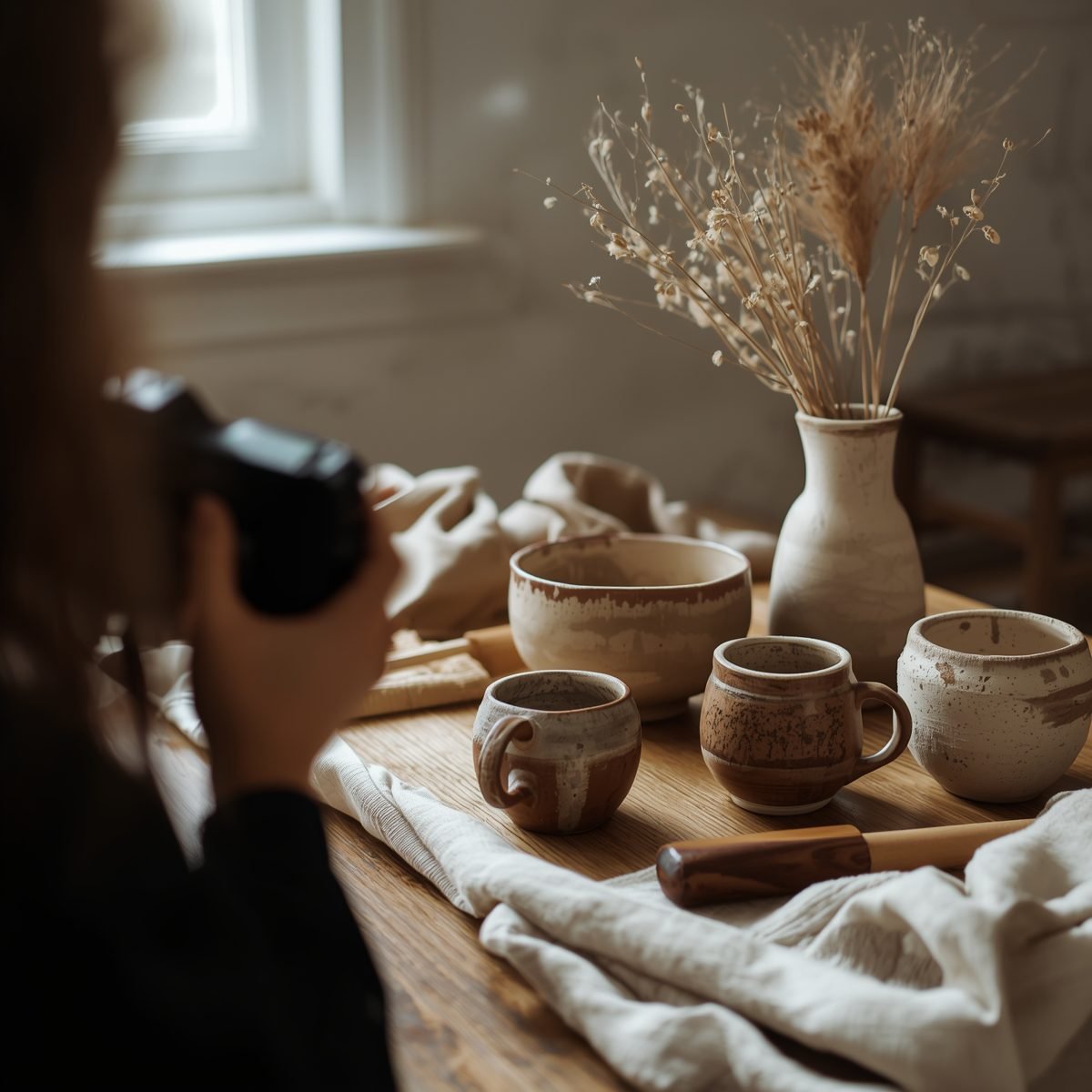
Great ceramics deserve great storytelling. Your photography should communicate emotion, not just appearance.
- Shoot in natural light, ideally early morning or late afternoon.
- Focus on details—the glaze, the surface texture, the edge of a rim.
- Use neutral backgrounds to let colors and textures breathe.
- Avoid metal, shiny props, or busy fabrics—they distract from the calm essence of clay.
- Highlight imperfection—that’s where the soul lives.
Every photo should whisper a story of touch, patience, and time.
10. The Spirit of Slow Living

Winter ceramics are more than design—they’re philosophy. They embody slow living, a movement toward intentionality and mindfulness.
When someone buys a handmade mug, they’re not just purchasing an object—they’re embracing a slower rhythm. The act of pouring tea, feeling the clay’s warmth, watching steam rise—it’s a moment of connection.
“The beauty of ceramics lies in their silence—they speak softly but stay forever.”
In a world of instant gratification, ceramics remind us that real beauty takes time. The curve of a bowl, the depth of a glaze, the fire of a kiln—all mirror the rhythm of nature itself.
Final Thoughts
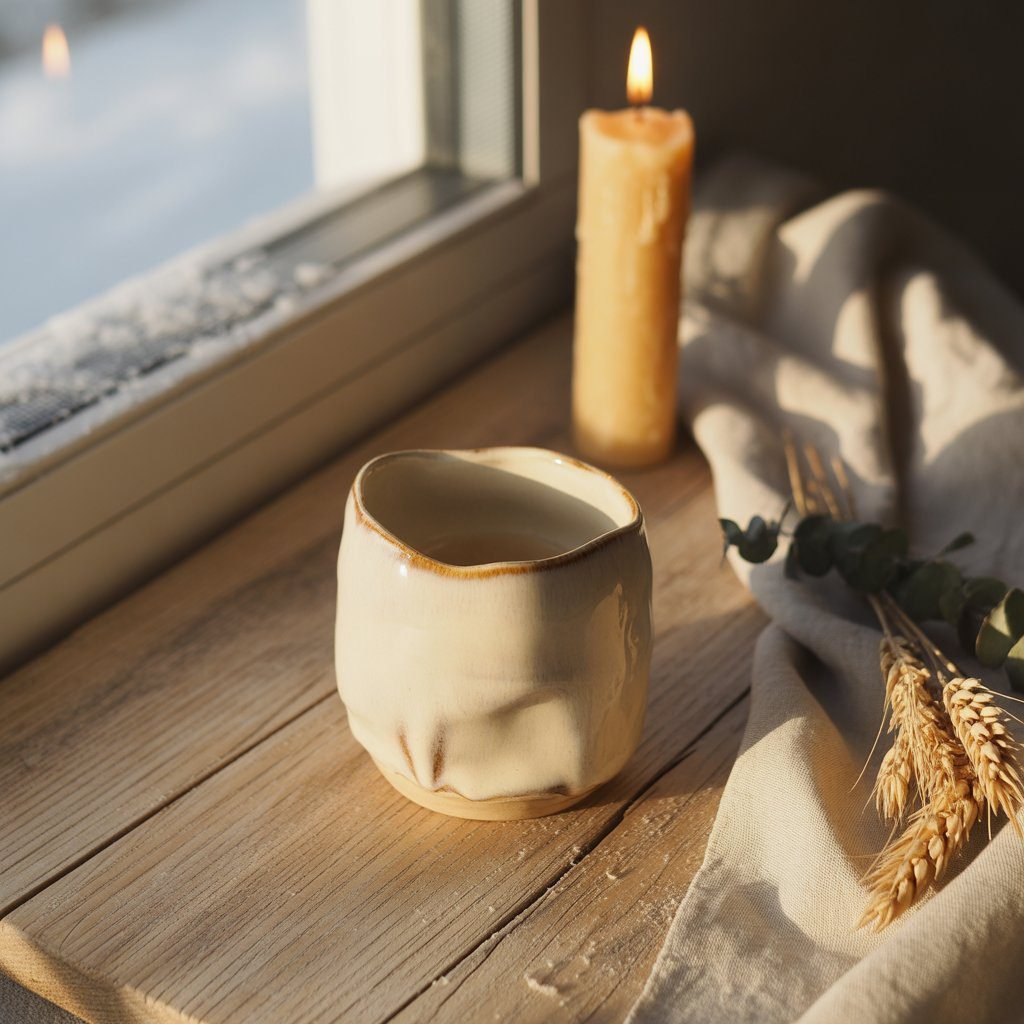
Cozy Winter Ceramics is not a fleeting trend—it’s a timeless return to warmth, touch, and authenticity. As artisans continue shaping clay with care, and as people rediscover the value of handmade beauty, ceramics become more than decoration—they become symbols of human connection.
To design, collect, or simply live with ceramics in winter is to bring a piece of the earth indoors.
It’s to feel warmth without fire, comfort without excess, and artistry without noise.
So this season, slow down. Touch the clay. Feel the texture. Let the silence of the kiln guide you.
Because in every handmade cup lies the quiet heartbeat of winter—steady, warm, and alive.