

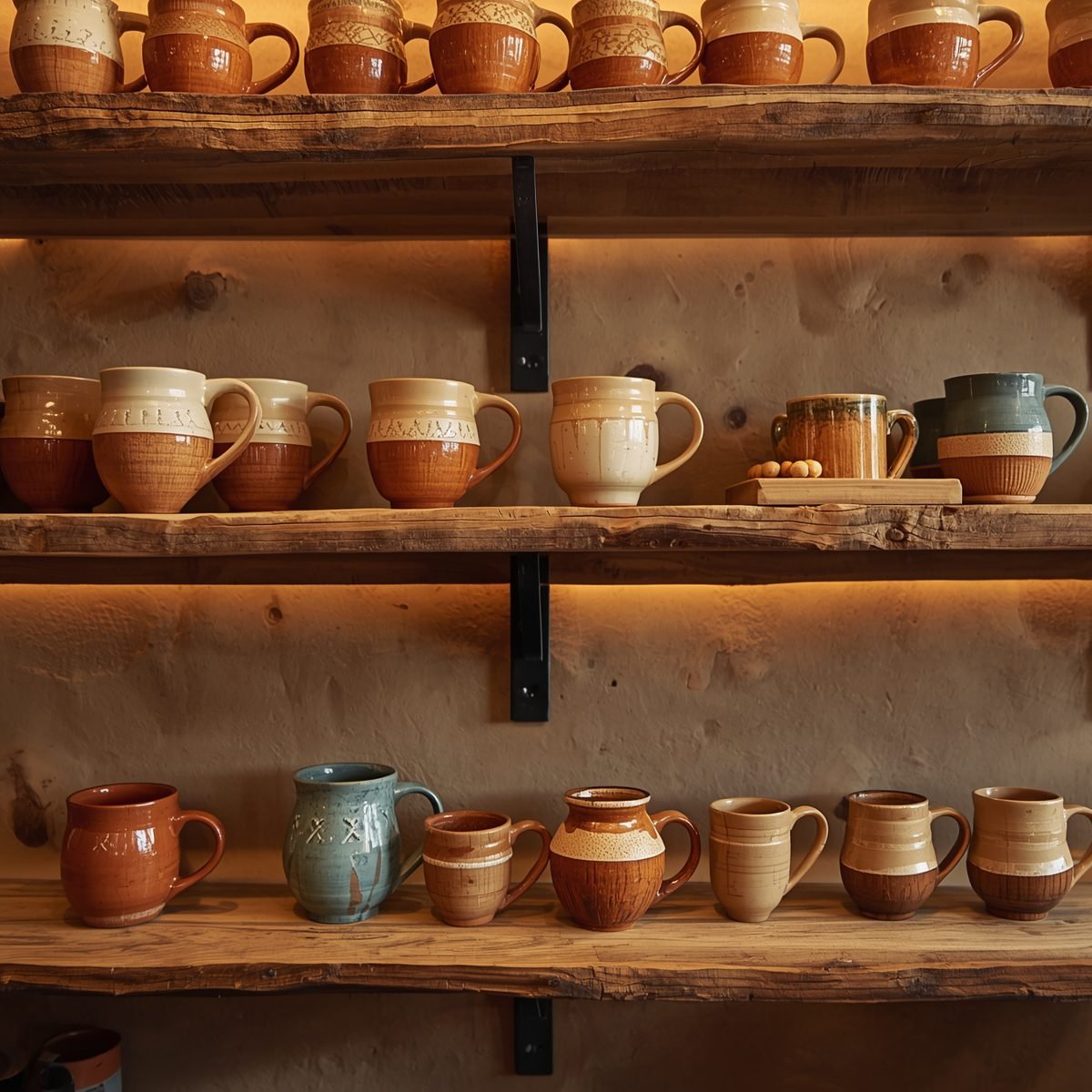
Handmade ceramic mugs are no longer just functional kitchenware — they have become collectible art pieces, lifestyle items, mood-setters, and even emotional gifts. As a ceramic artist or creative entrepreneur, you already know how much time, passion, and technique go into crafting a single mug. The challenge is not making beautiful work… the challenge is how to price and sell it at a high margin without feeling like you’re asking for too much or underselling your effort.
This guide gives you a complete, deep look into how successful ceramic artists turn simple mugs into high-profit products. You’ll learn the 3 essential secrets that will allow you to raise your prices confidently, attract premium buyers, and build a brand that stands out.
This article is long, detailed, and professionally optimized for search engines — perfect for building authority and helping your blog rank higher.
1. Understanding the True Value of an Artistic Ceramic Mug

Most new ceramic artists make one fatal mistake:
They price their mugs like factory products, not like handcrafted art.
A mug you created with your hands is not the same as a mass-produced item you find in supermarkets. Your mug is a piece of creativity, time, technical knowledge, emotional expression, and unique character. You didn’t just “make a mug.” You shaped clay, refined texture, experimented with glazes, controlled firing temperatures, and created something that literally cannot be duplicated.
Why buyers pay more for handmade mugs
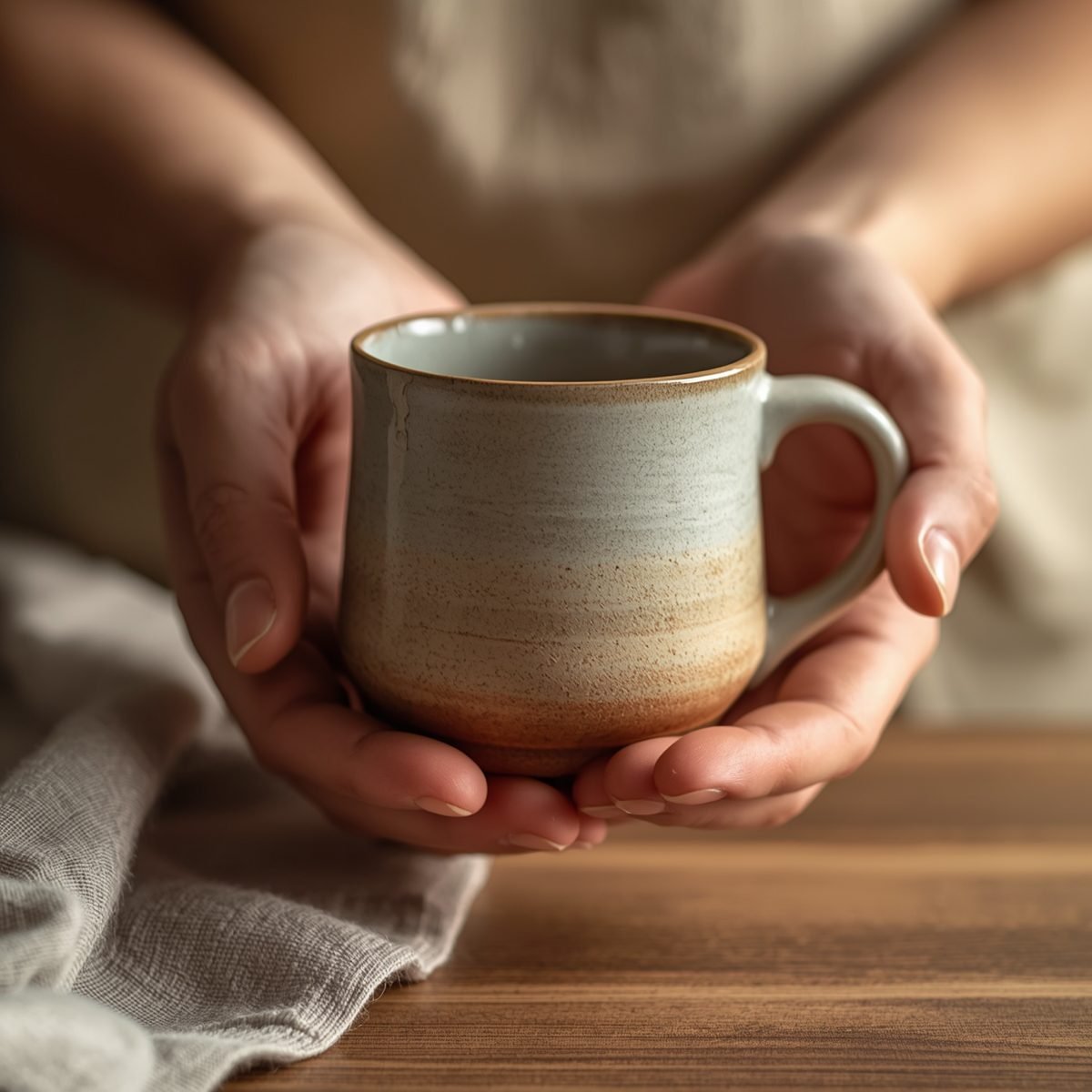
High-value customers don’t buy handmade ceramics because they need a cup — they buy because:
- They appreciate craftsmanship
- They enjoy owning something unique
- They want mugs with personality and soul
- They love supporting small artists
- Handcrafted mugs feel warmer, cozier, and aesthetically comforting
- Ceramic art enhances home décor and morning rituals
When you understand the psychology of your customer, you stop pricing your work like a fragile item and start pricing it like functional art.
2. The Hidden Formula: How to Price Ceramic Mugs for a High Profit Margin
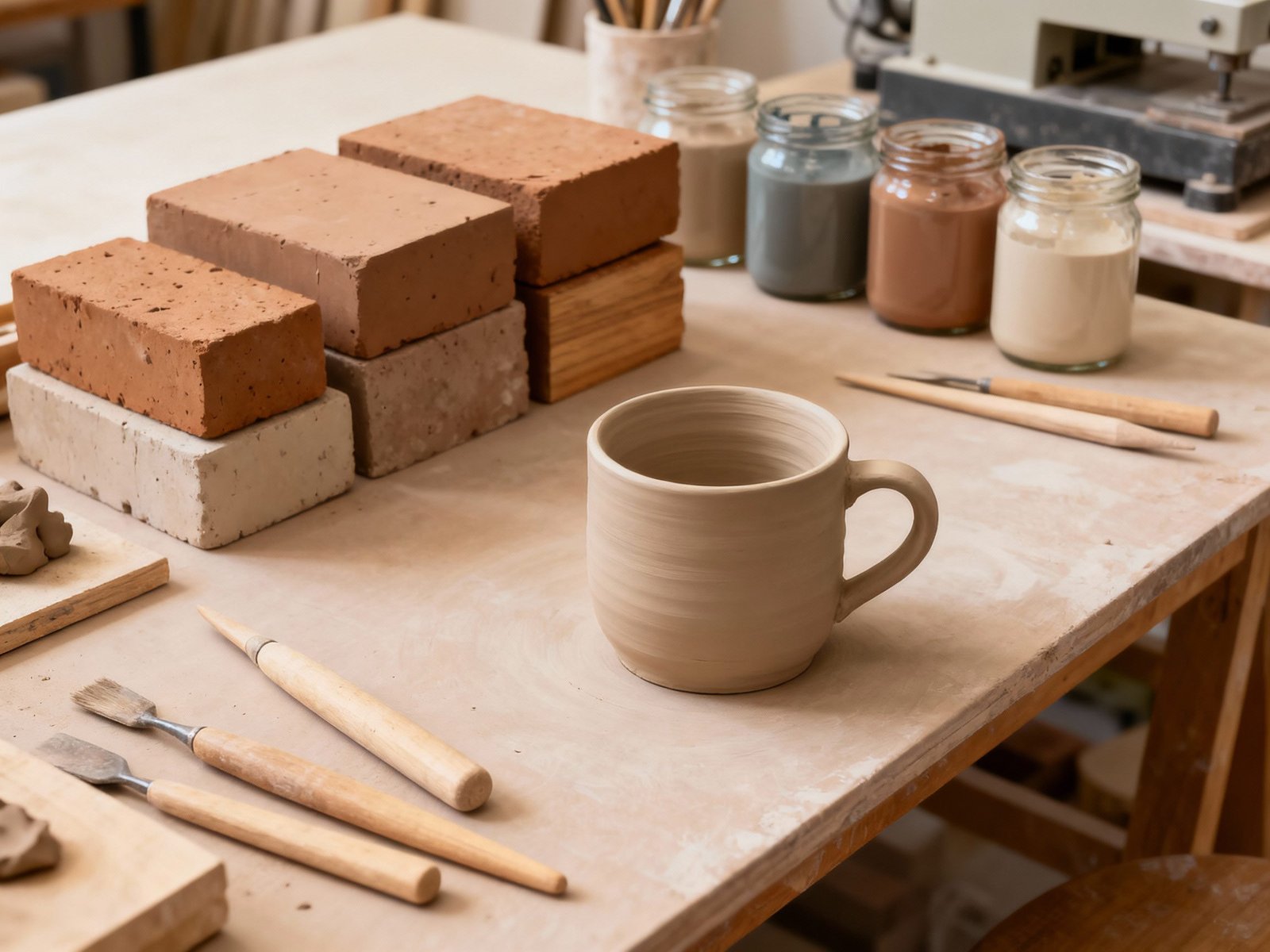
There is no “perfect price,” but there is a strategy that top ceramic sellers use.
Here’s the formula that ensures you never lose money:
🔹 (Material Cost × 4) + Labor + Margin Adjustment = Retail Price
Let’s break it down.
✔ Material Cost
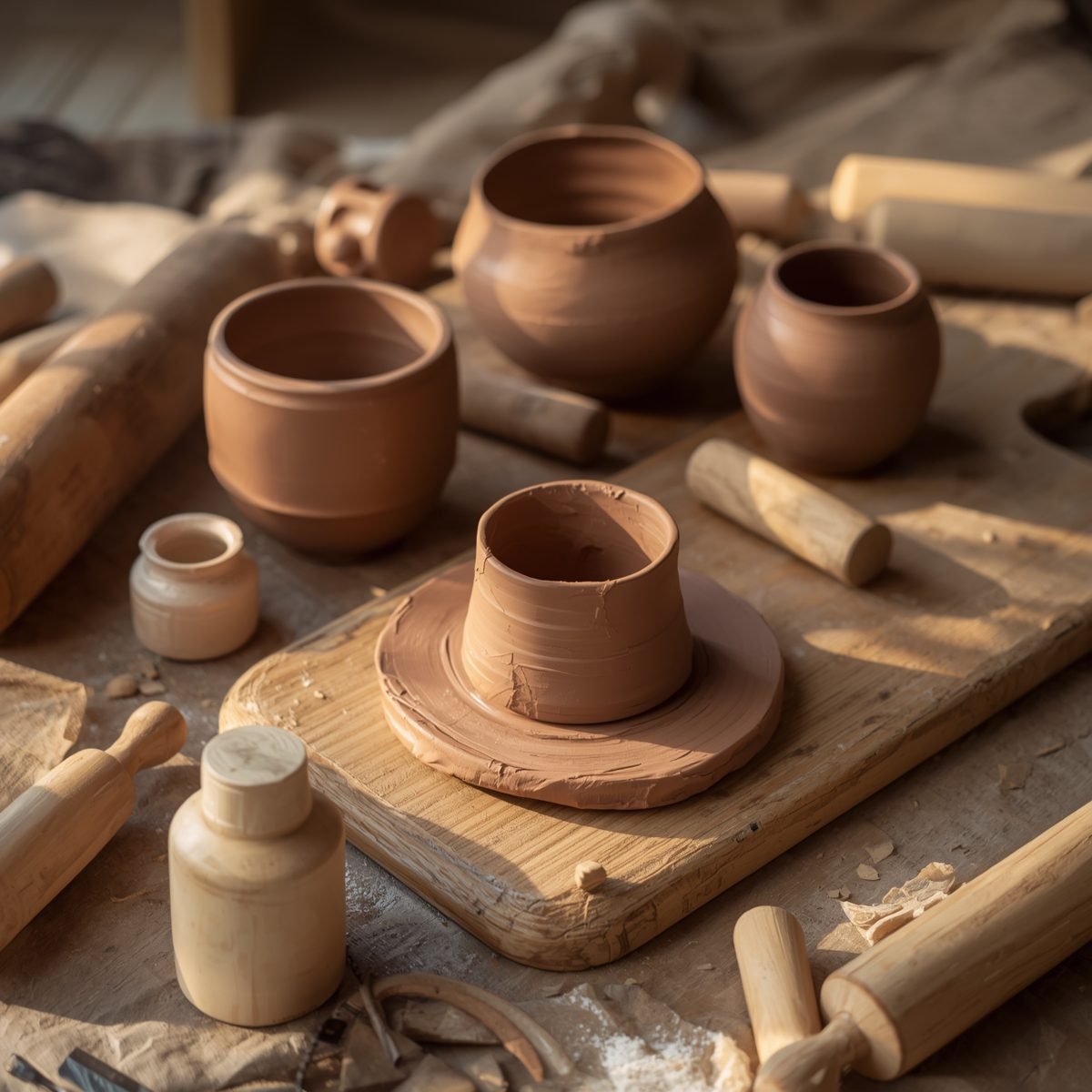
Include:
- Clay
- Glaze
- Underglaze
- Pigments
- Kiln electricity (per firing)
- Tool usage
Even if clay is cheap, firing and glazing aren’t.
✔ Labor
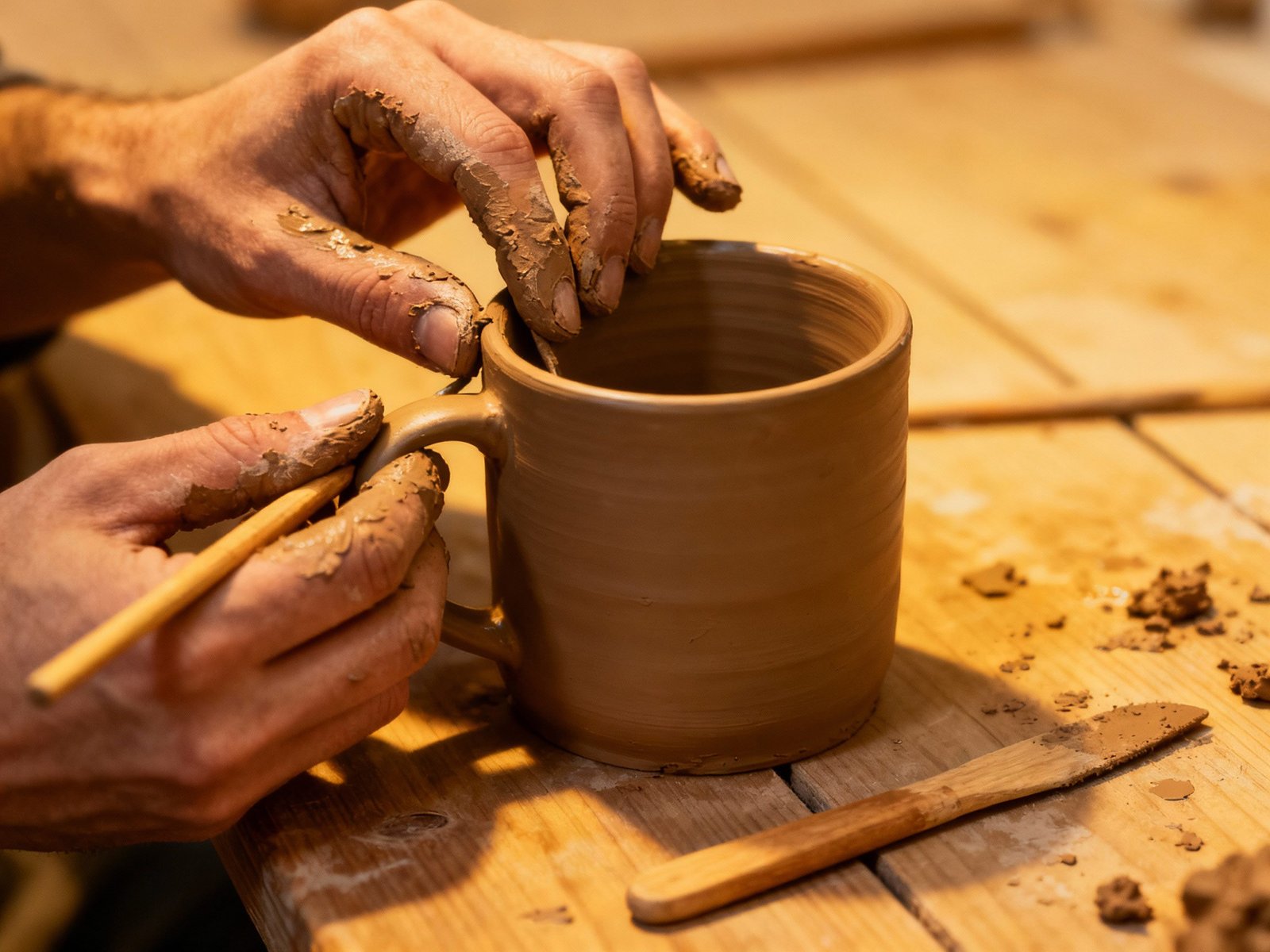
Your time has value.
Handmaking a mug includes:
- Wedging
- Throwing or hand-building
- Trimming
- Carving or decorating
- Drying
- Bisque firing
- Glazing
- Final firing
- Sanding and finishing
You’re not paid for “making a mug.”
You’re paid for years of learning to make it well.
✔ Margin Adjustment
This is where profit comes in.
Top ceramic artists price their mugs between:
- $45 to $120 for standard artistic mugs
- $120–$250+ for carved, sculpted, textured, or signature designs
You might be wondering:
“Will people really pay this much?”
Yes — if the mug is unique, branded, and presented professionally.
People collect mugs the same way they collect sneakers, watches, or pottery bowls.
The trick: Sell the story, not the clay

Your mug is not a product — it’s an experience:
- The shape
- The glaze texture
- The earthy feeling
- The comfort in the hand
- The slow-living aesthetic
- The handmade “imperfection” that tells a story
This is what premium buyers pay for.
3. The 3 Secrets to Selling Ceramic Mugs at High Margins
Now we get to the heart of this guide.
Let’s explore the three secrets that separate low-price sellers from high-profit ceramic brands.
SECRET 1 — Mastering Signature Shapes & Artistic Identity
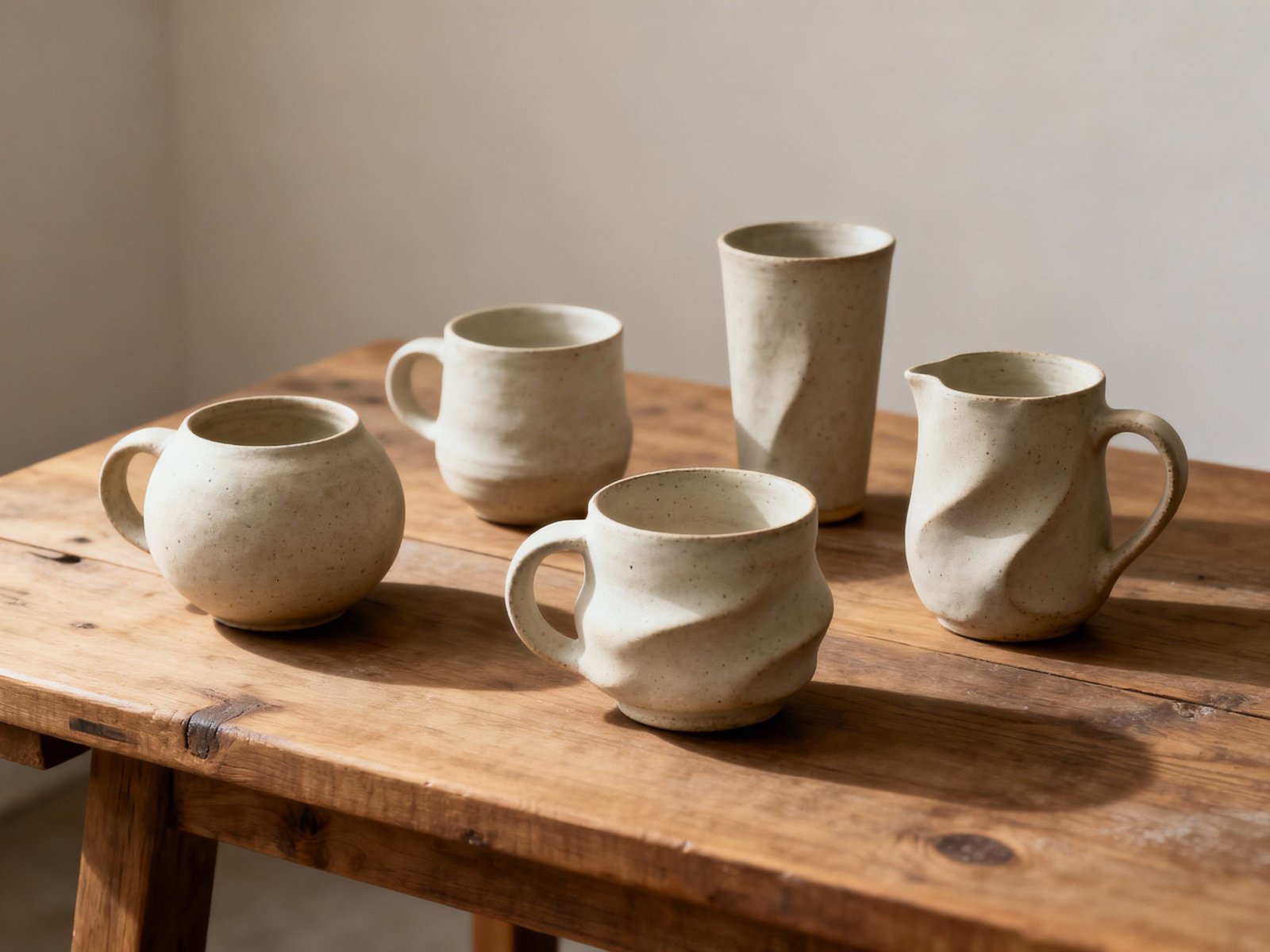
Successful ceramic artists don’t make random mugs.
They make mugs with a recognizable identity.
A signature style can include:
✔ A unique mug shape
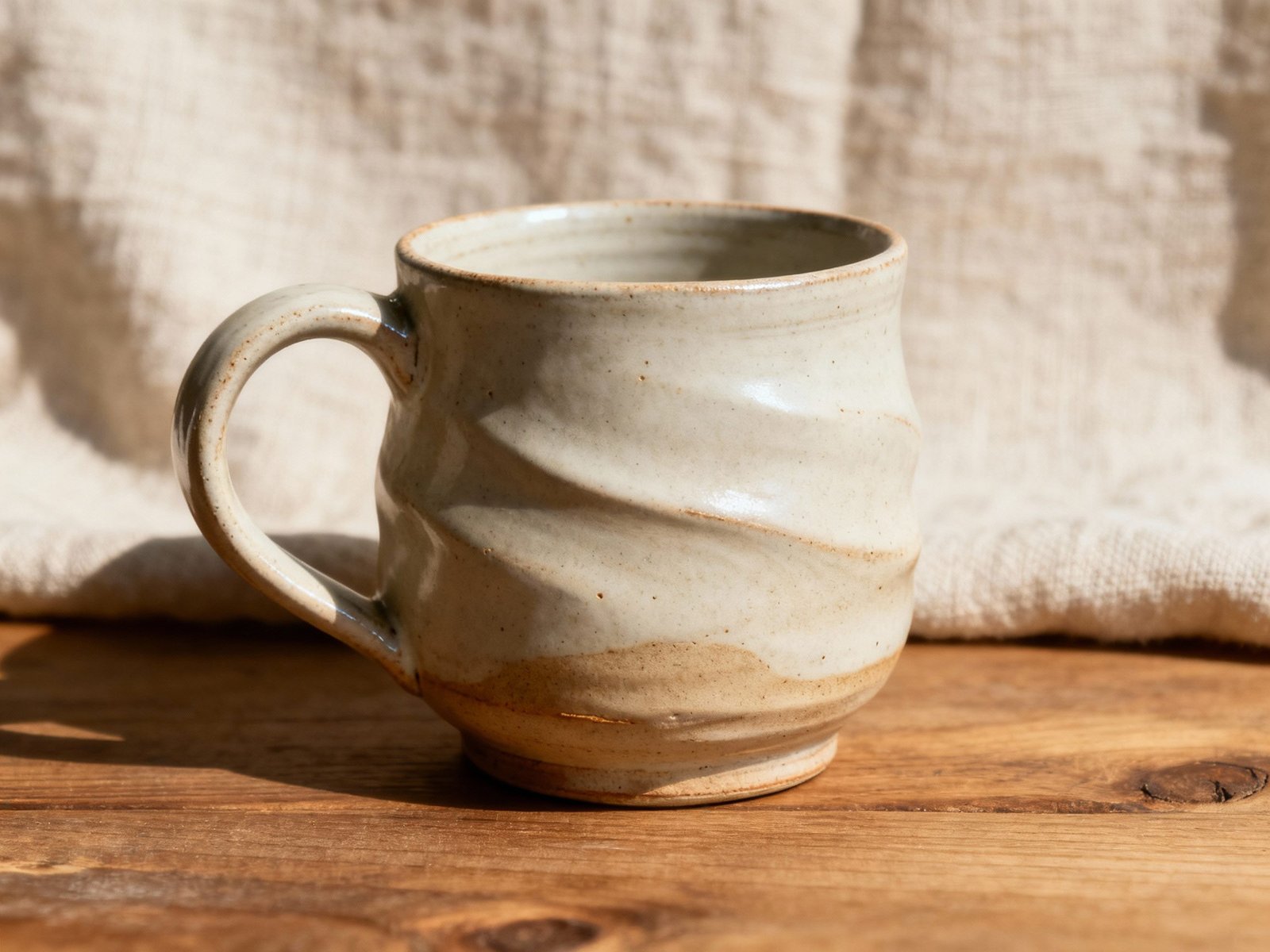
Maybe you always create:
- Chunky round mugs
- Tall minimalist mugs
- Rustic wabi-sabi asymmetrical forms
- Sculpted mugs with organic curves
- Geometric angular mugs
The shape becomes your “signature.”
✔ A signature glaze palette
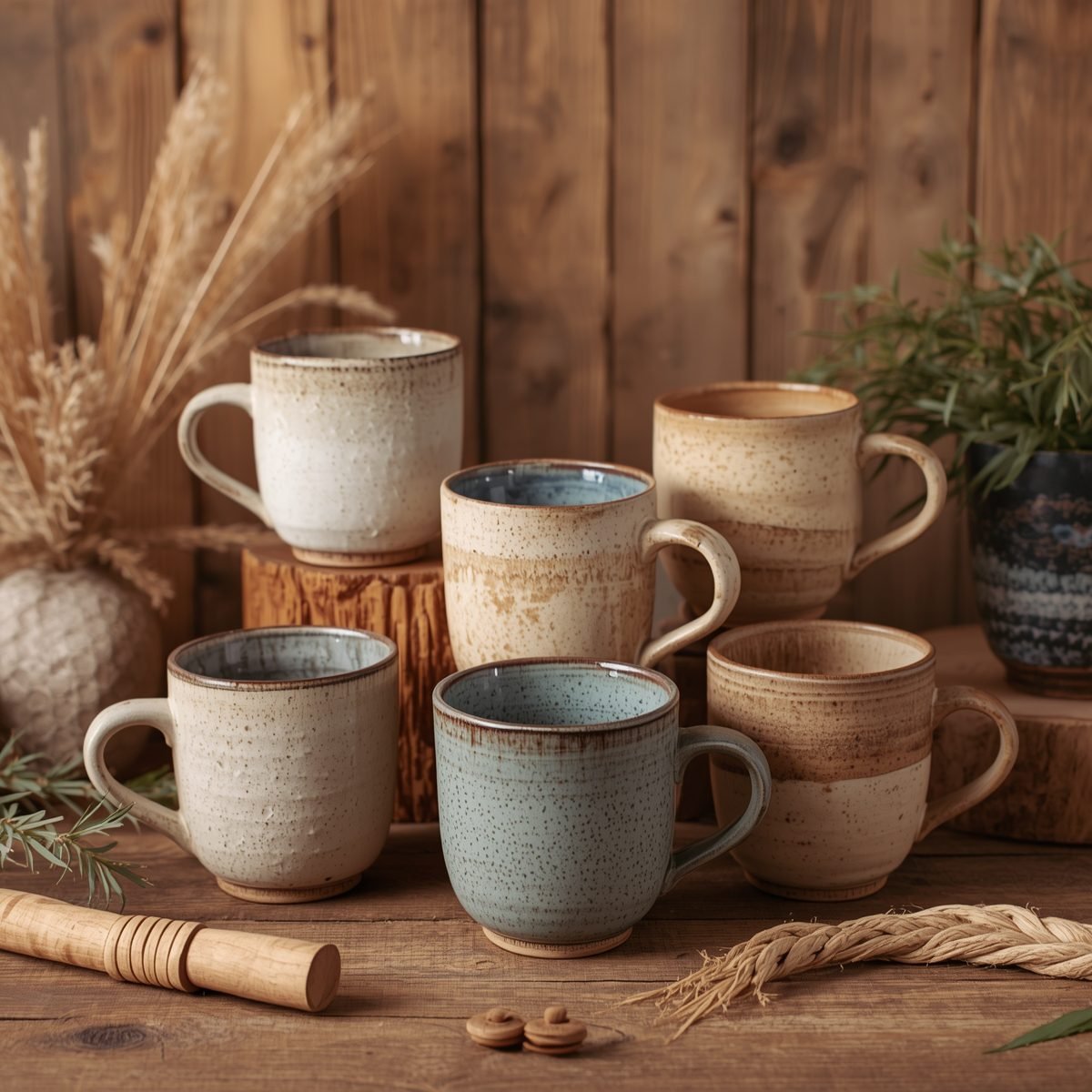
Choose 4–6 main glaze colors and repeat them:
- Earthy browns
- Light stone grey
- Deep ocean blue
- Creamy matte white
- Moss green
- Desert sand beige
When buyers recognize your palette, your brand becomes stronger.
✔ A signature texture
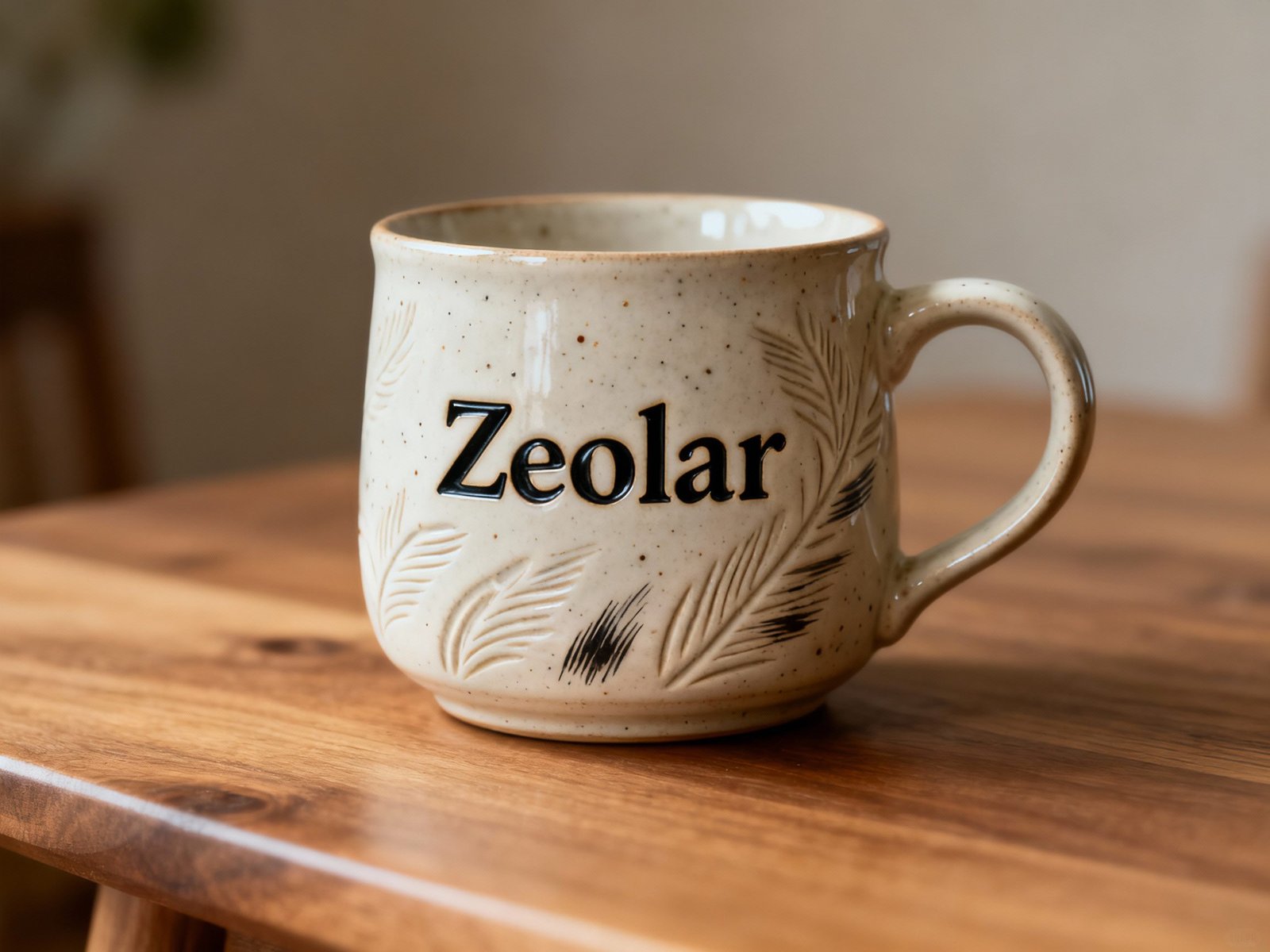
Examples:
- Carved vertical lines
- Finger grooves
- Raw unglazed bottoms
- Speckled surfaces
- Brush-stroke underglaze patterns
Textures add emotional value and help justify higher prices.
✔ A signature series or collection
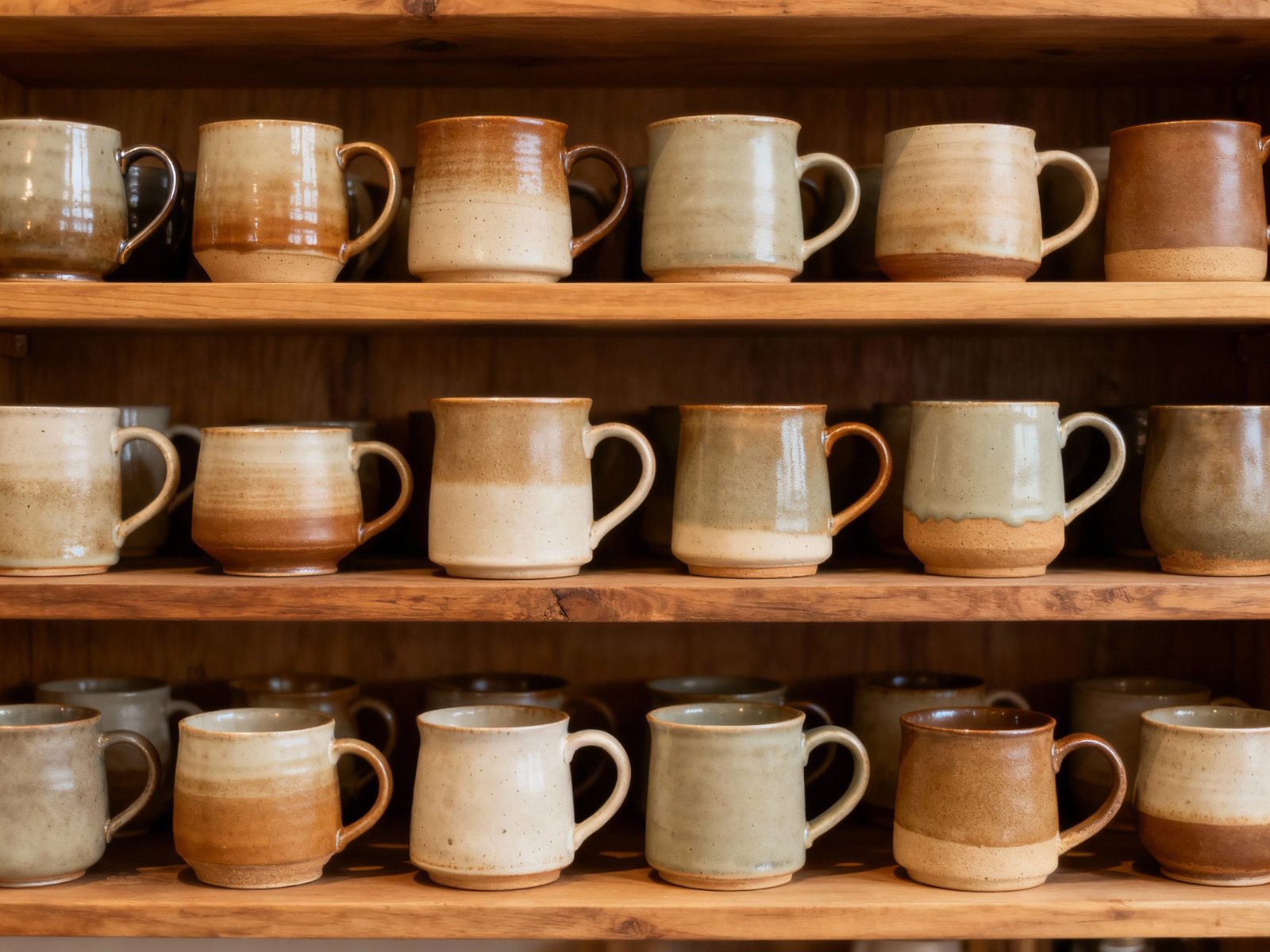
Create collections that belong together:
- “Forest Mist Series”
- “Ocean Depths Collection”
- “Clay Waves Edition”
- “Sunrise Matte Line”
People love buying items from a collection because it feels curated and exclusive.
Brand identity = Higher prices + repeat customers.
SECRET 2 — Creating Lifestyle Images That Sell the Mug Before the Customer Touches It

The biggest mistake new sellers make is posting low-quality photos.
You can have the most beautiful mug ever created — but if the photo is bad, nobody will buy it.
To sell at high margins, your photos must look premium.
What premium mug photography includes:
✔ Soft natural lighting
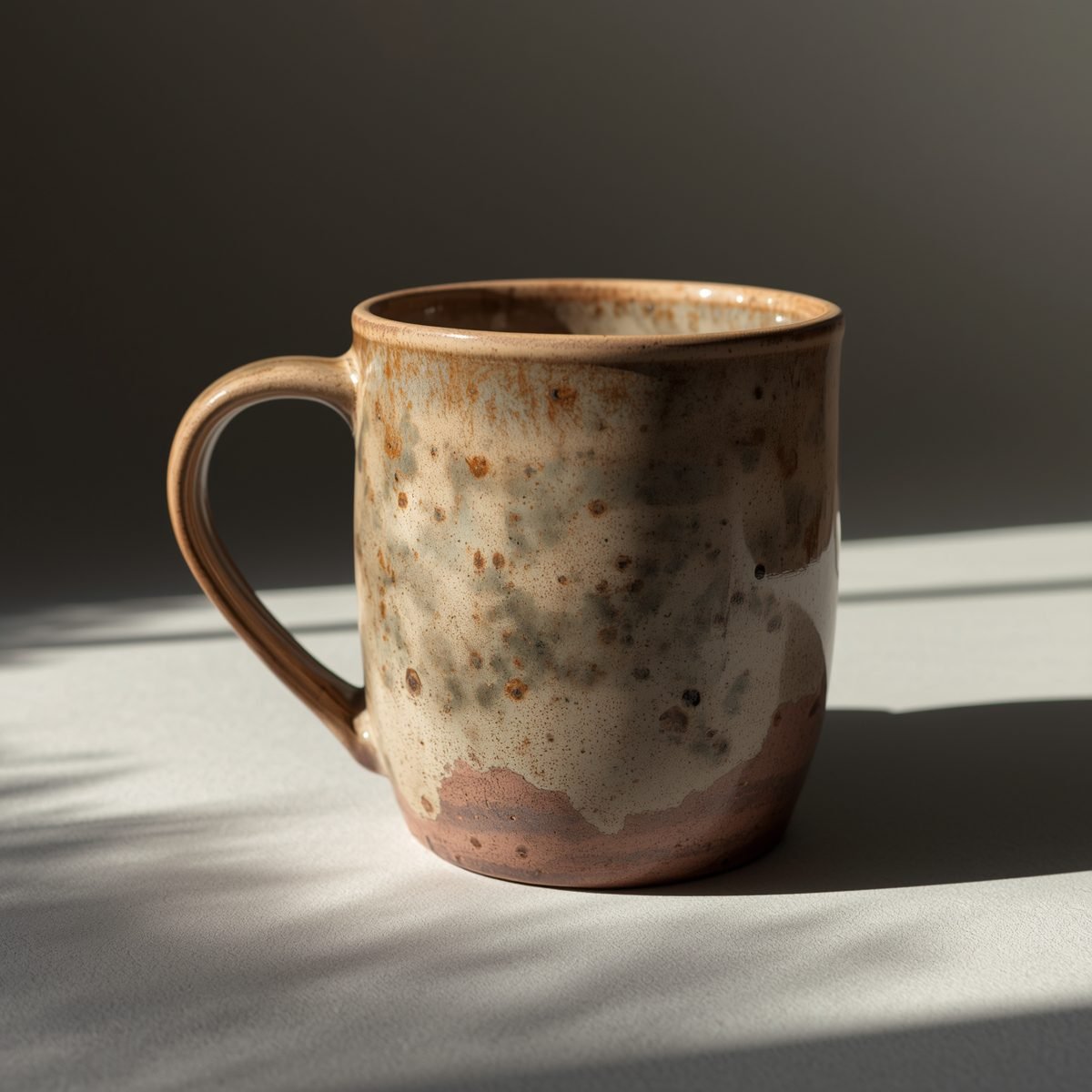
Use daylight or diffused soft light. Ceramic textures come alive under gentle light.
✔ Clean minimalist background
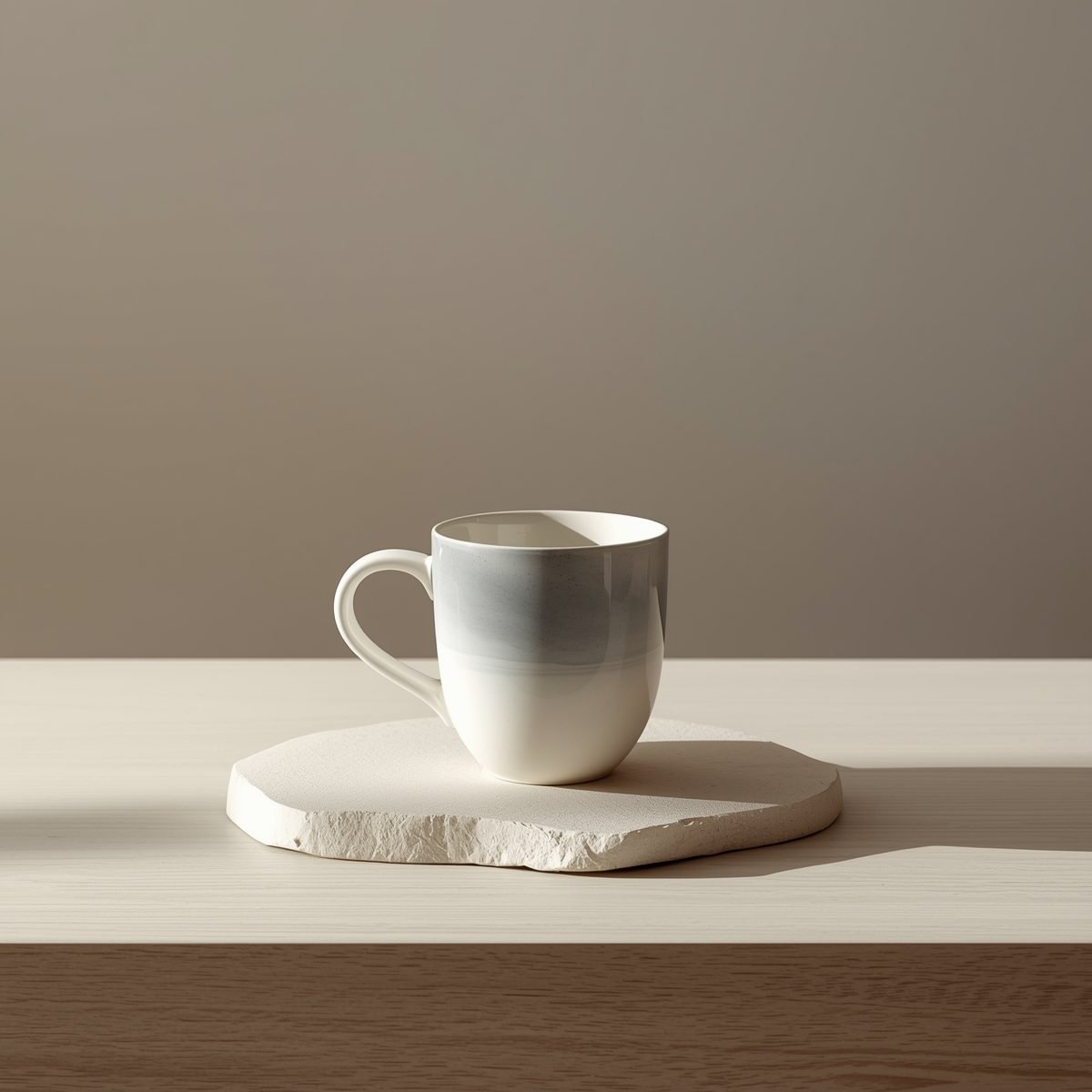
Avoid clutter.
Use:
- Neutral tones
- Wooden boards
- Light stone surfaces
- Simple backdrops
✔ Macro shots of glaze details
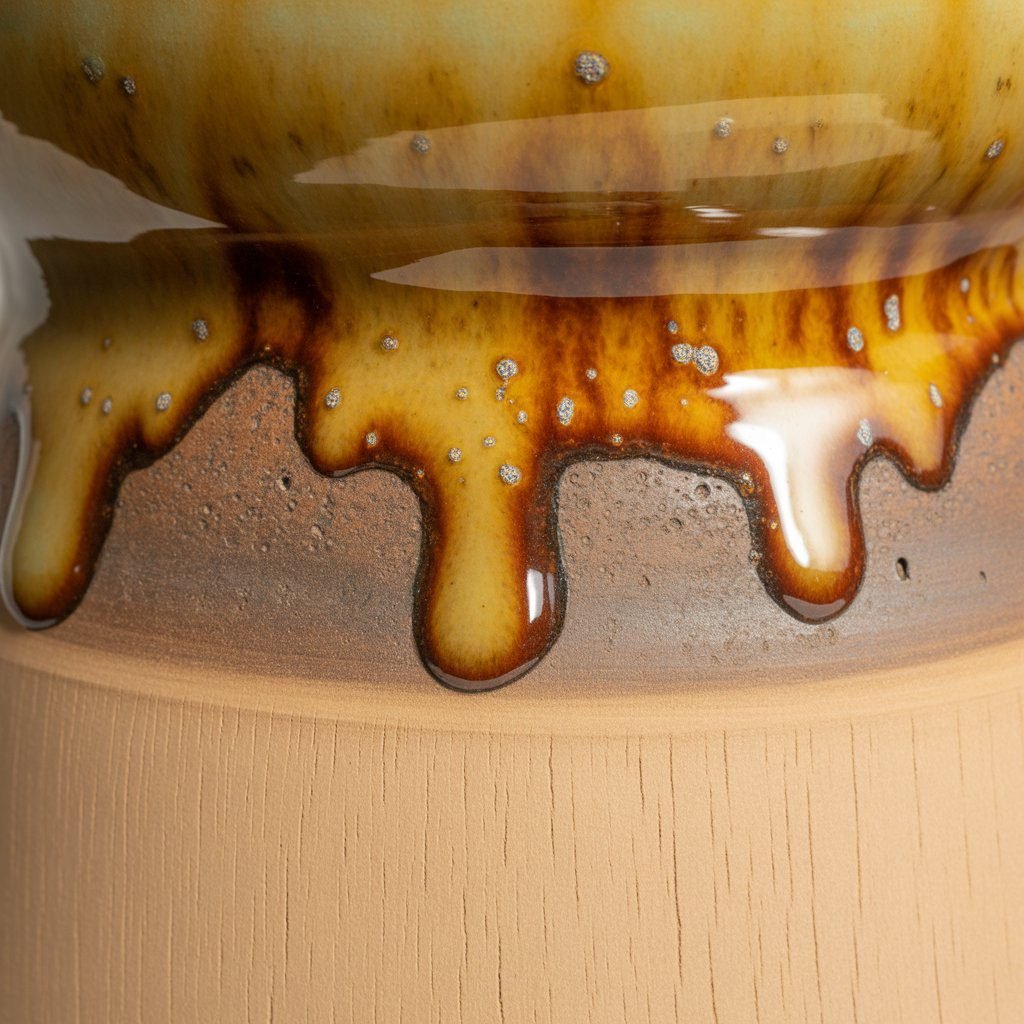
Show:
- Drips
- Speckles
- Color transitions
- Smoothness or roughness
These details convert viewers into buyers.
✔ Lifestyle shots

Place the mug in a scene:
- A cozy breakfast table
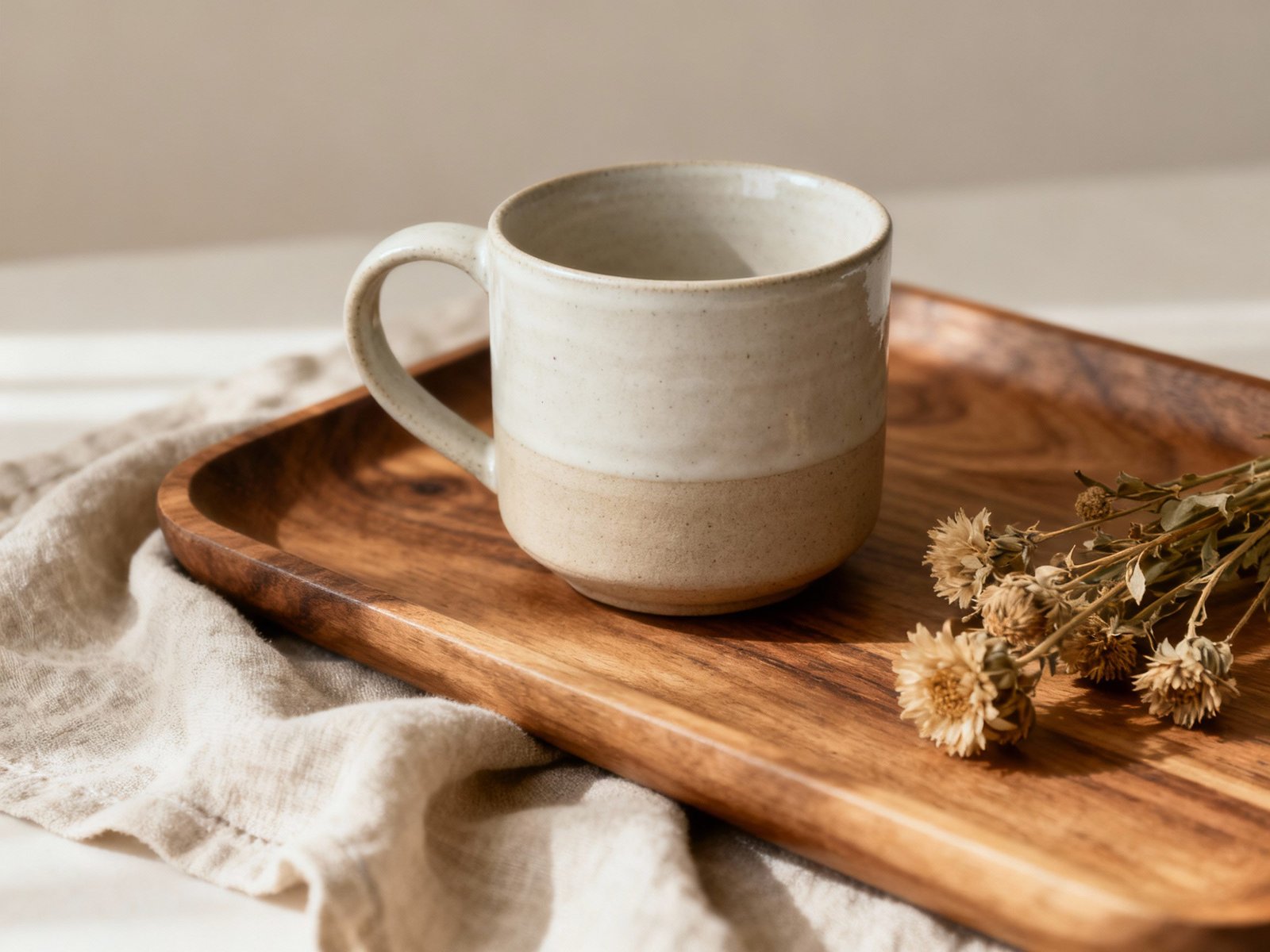
- A wooden tray
- Near a book
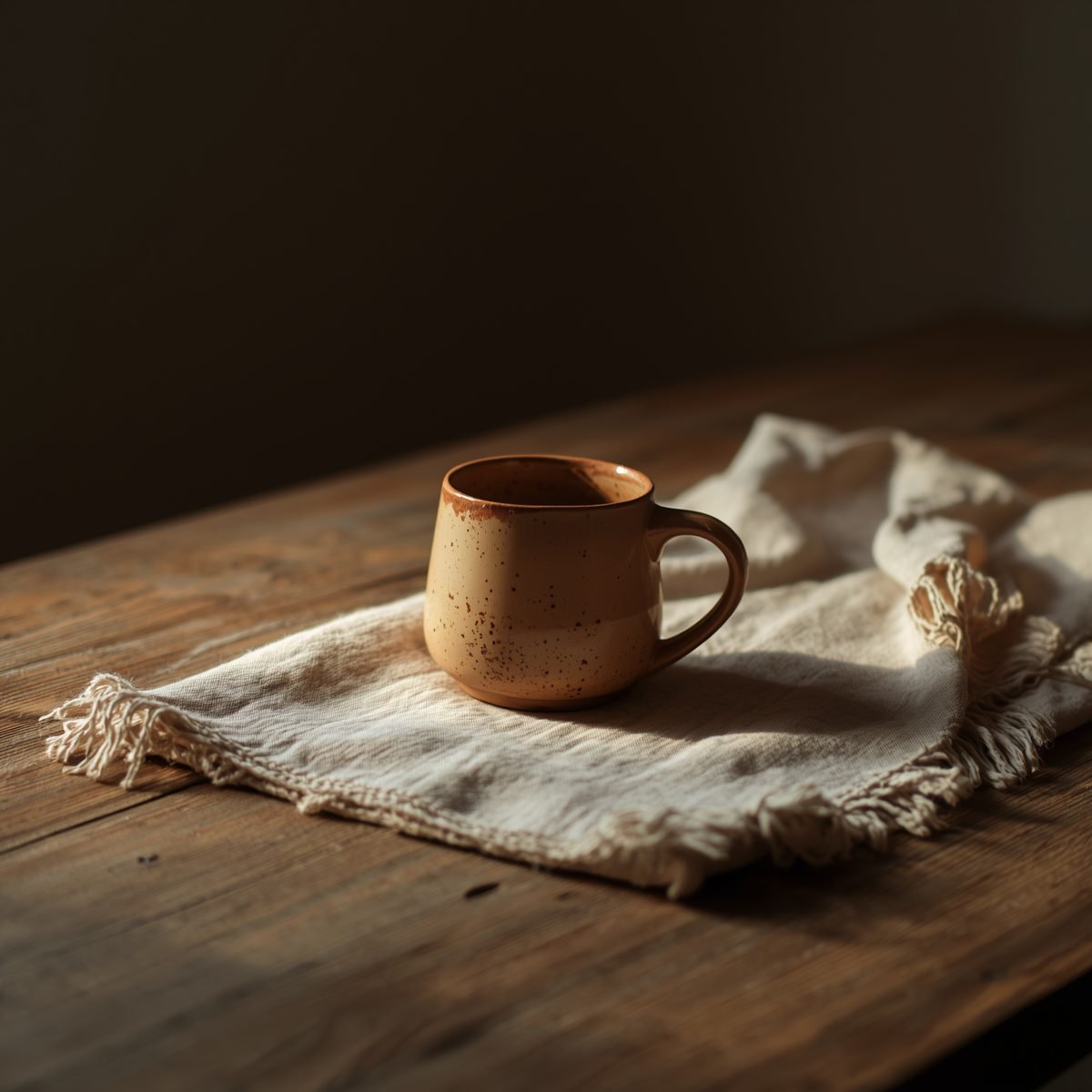
- On a linen cloth
- Next to a candle
Lifestyle = Emotion = Higher perceived value.
✔ Hand shots

A mug “in the hands” gives viewers a sense of scale and warmth.
✔ Video loops
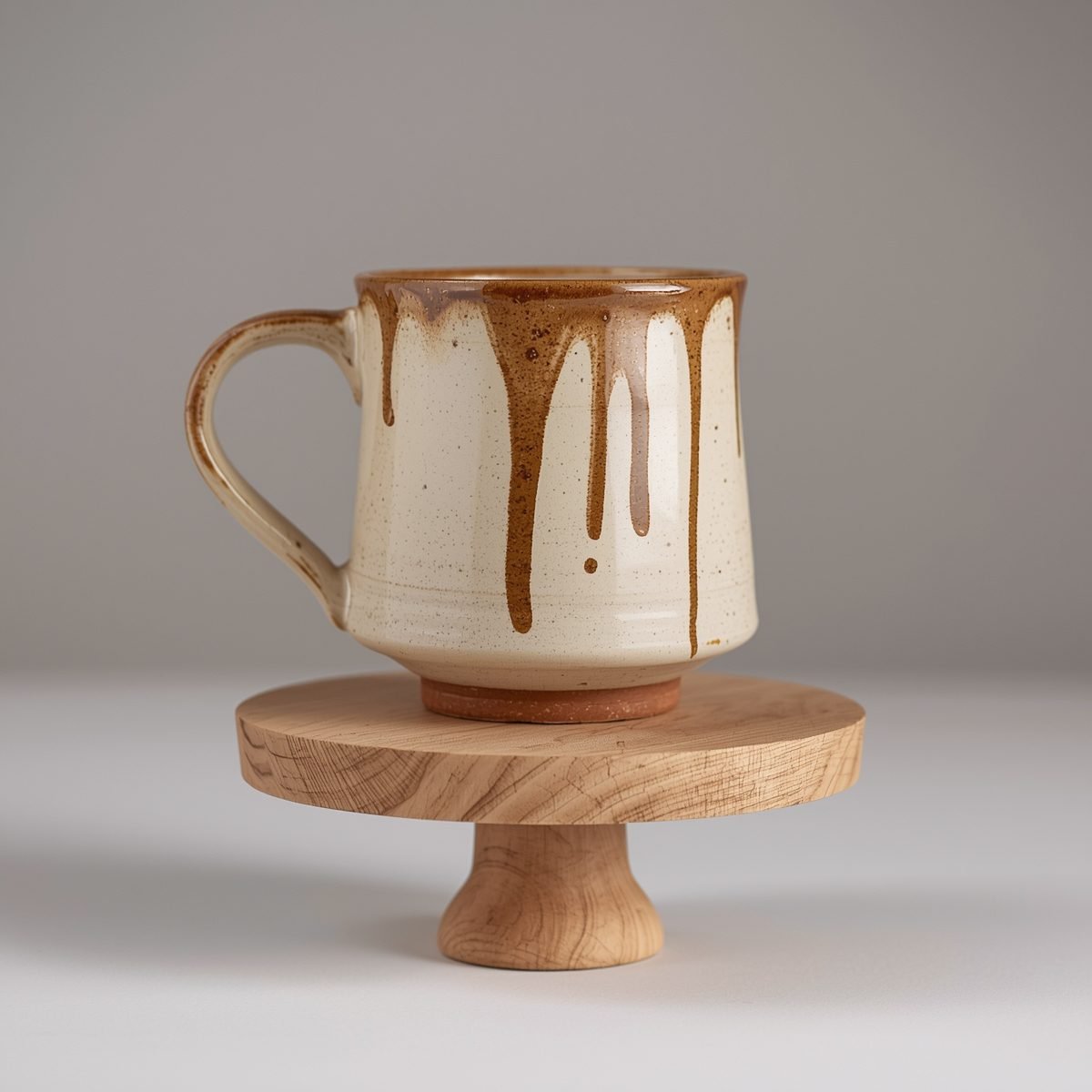
Short 4–6 second clips of the mug rotating boost trust and sales.
**A mug with poor photography = $20
A mug with premium photography = $90**
Make your product look like art.
SECRET 3 — Using Scarcity and Storytelling to Increase Perceived Value
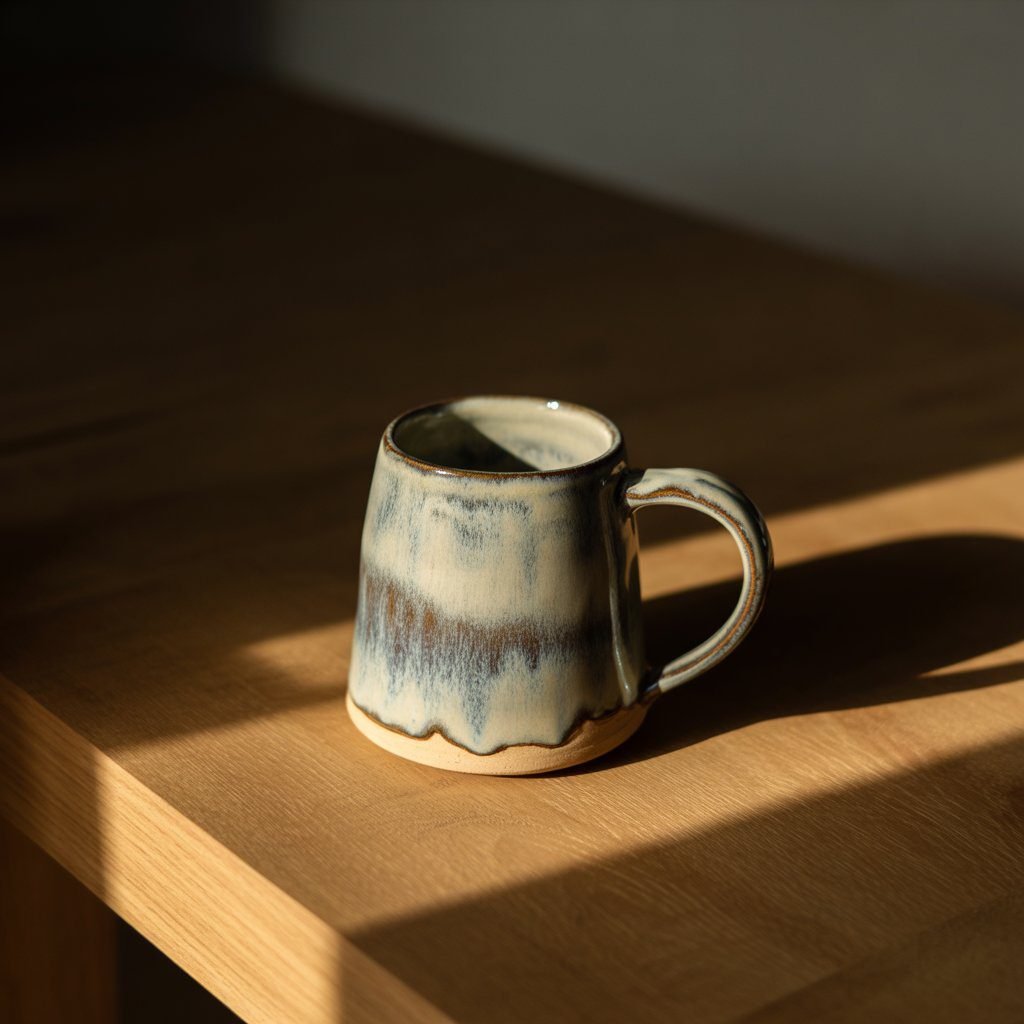
People don’t buy ceramics because they need them.
They buy because they feel a connection.
And storytelling is the bridge.
The story behind your mug matters
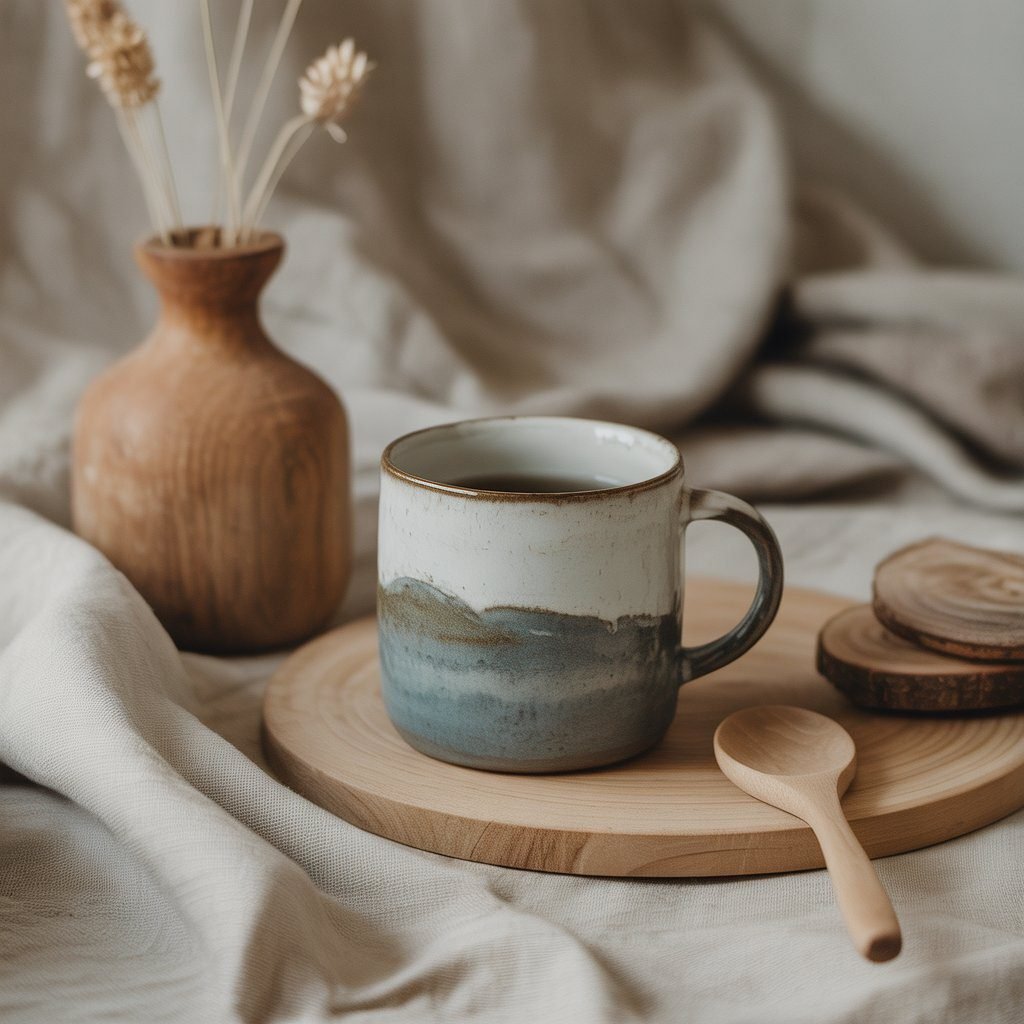
Explain:
- Your inspiration
- The clay you chose
- The glaze technique
- The meaning behind the collection
- The emotion you want the user to feel
Example:
“This mug is inspired by the calm colors of early dawn, with soft matte textures that reflect the warmth of slow mornings.”
This turns your mug into an experience.
Scarcity triggers desire
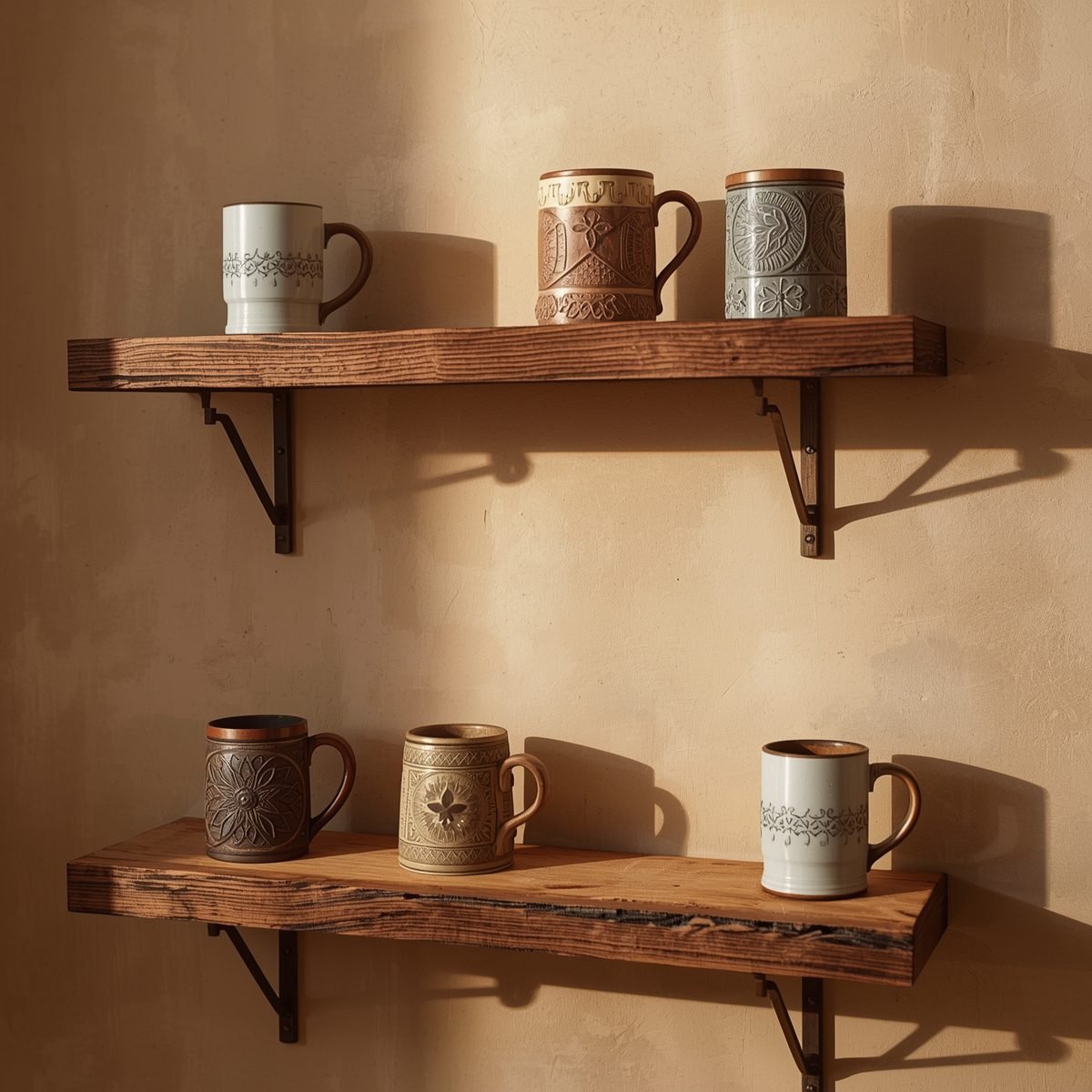
If you want premium prices, do NOT mass-produce.
Use phrases like:
- “Small batch release”
- “Limited collection”
- “Only 12 mugs available this month”
- “Once sold out, it will not be restocked”
Scarcity transforms your work into collectible items.
Offer personalization
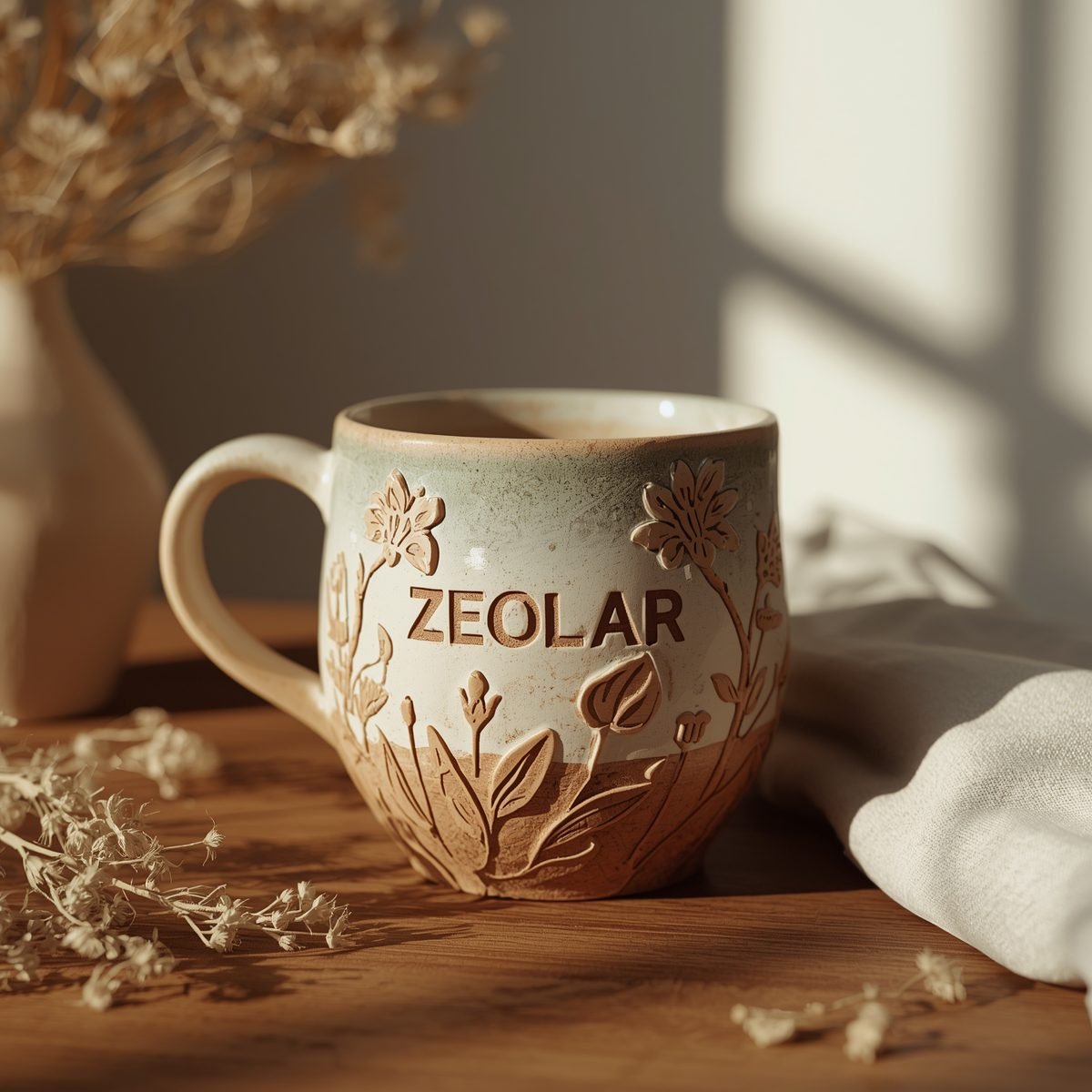
People pay extra for:
- Names
- Initials
- Symbols
- Custom colors
- Unique glaze combos
Handmade + personal = Higher margin.
Bonus Section: How to Sell More Ceramic Mugs Online
Here are high-level strategies used by top ceramic brands:
1. Sell on multiple platforms
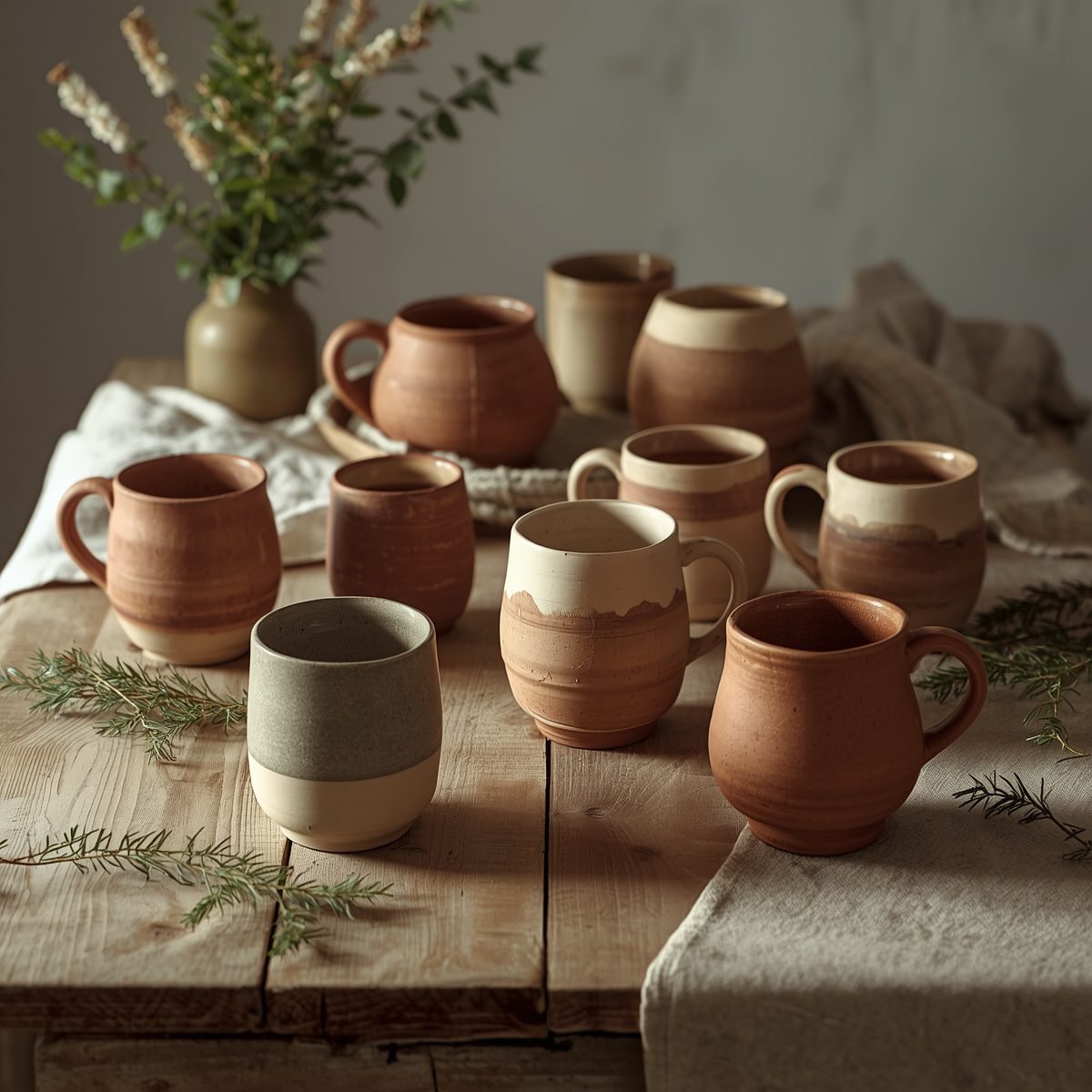
Even without links, the idea is simple:
Don’t depend on a single platform.
Use marketplaces, social media, and your own shop.
2. Use storytelling captions

Instead of writing:
“Handmade ceramic mug, 300ml”
Write something emotional:
“A handcrafted mug designed to make your morning ritual feel calmer and cozier.”
3. Build anticipation before launching

Post progress videos:
- Centering clay
- Trimming
- Glazing
- Opening the kiln
People love seeing the process — it makes them value the final product more.
4. Price confidently — you’re an artist, not a factory
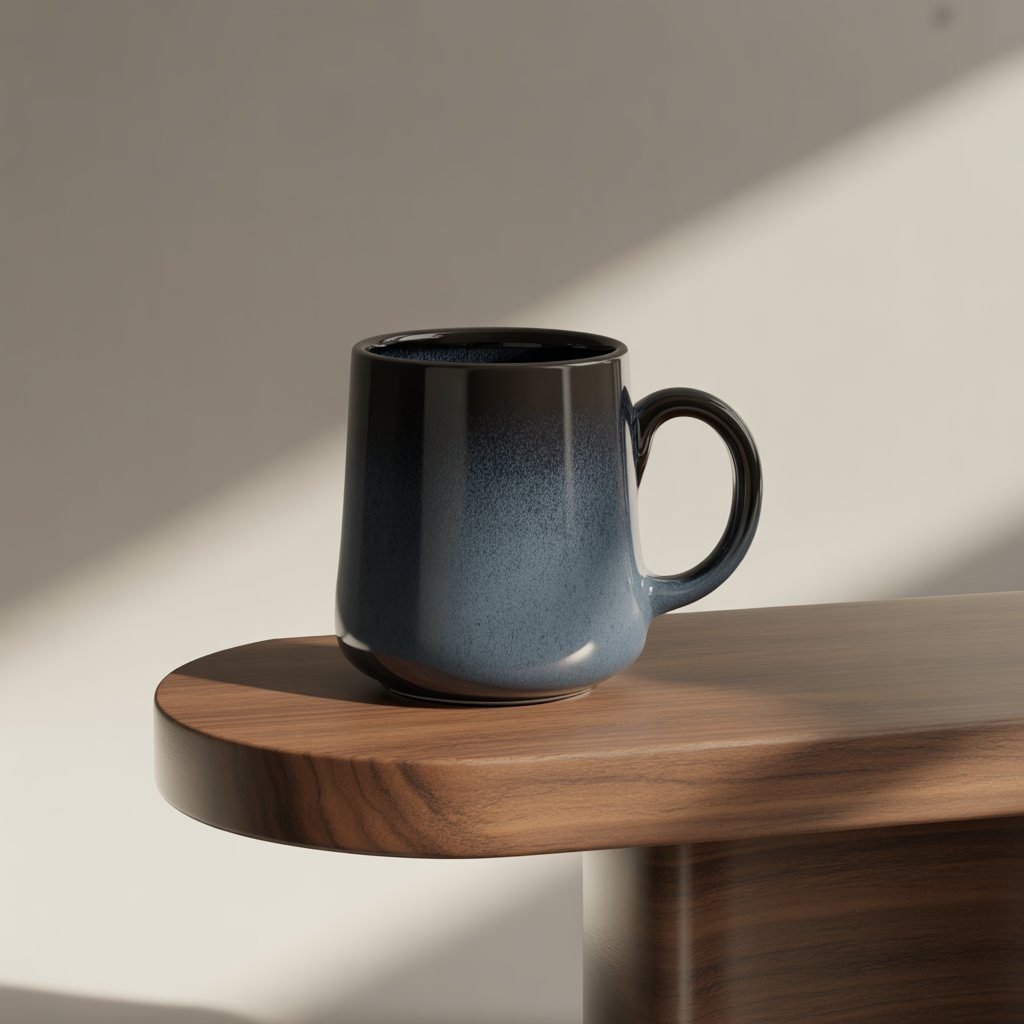
Never apologize for your prices.
Handmade work deserves respect.
5. Collect emails and build loyal followers
People who love your work want to buy again.
Conclusion: Your Ceramic Mugs Deserve Premium Pricing
If you put your heart into your ceramic mugs, they deserve prices that reflect your effort, skill, and artistic identity. You are not selling clay — you are selling:
- Craftsmanship
- Emotion
- Identity
- Lifestyle
- Experience
- Art
Use the 3 secrets from this guide:
- Create signature designs that define your brand.
- Use premium photography to increase perceived value.
- Tell stories and use scarcity to create demand and exclusivity.
When you combine all of these, your ceramic mugs evolve from everyday objects to collectible artistic pieces… and your prices naturally rise with them.
Your work is unique — and your pricing should reflect that.
That is SO helpful.
We get so into the creating we often lose all the time and effort that goes into a piece and especially a mug.
This has opened my eyes and given me confidence to price my work with these statements in mind.
Thank you
I am so glad this resonated with you! As creators, we often treat our time as ‘free’ because we enjoy the process, but that labor is actually the most valuable part. I’m cheering you on—charge what you are worth! Thanks for reading.