
In today’s design landscape, luxury is no longer defined by gold edges, perfect symmetry, or mass-produced glossy finishes. Instead, consumers are gravitating toward tableware that feels human, artistic, and emotionally present. Ceramic dinner sets, especially handcrafted ones, have become status symbols for people who value craftsmanship, authenticity, and slow living.
This shift in taste has created a powerful opportunity for ceramic artists, designers, and brands: attractive profit margins for tableware collections that tell a story, feel unique, and elevate the dining experience.
But selling ceramic dinner sets at high profit isn’t just about “beautiful plates.”
It’s about designing with intention, understanding your market, and creating collections that carry emotional and artistic value.
In this guide, you’ll discover four powerful ideas for luxury ceramic dinner sets that not only stand out in the market, but consistently command premium pricing — and highly loyal buyers.
Let’s begin.
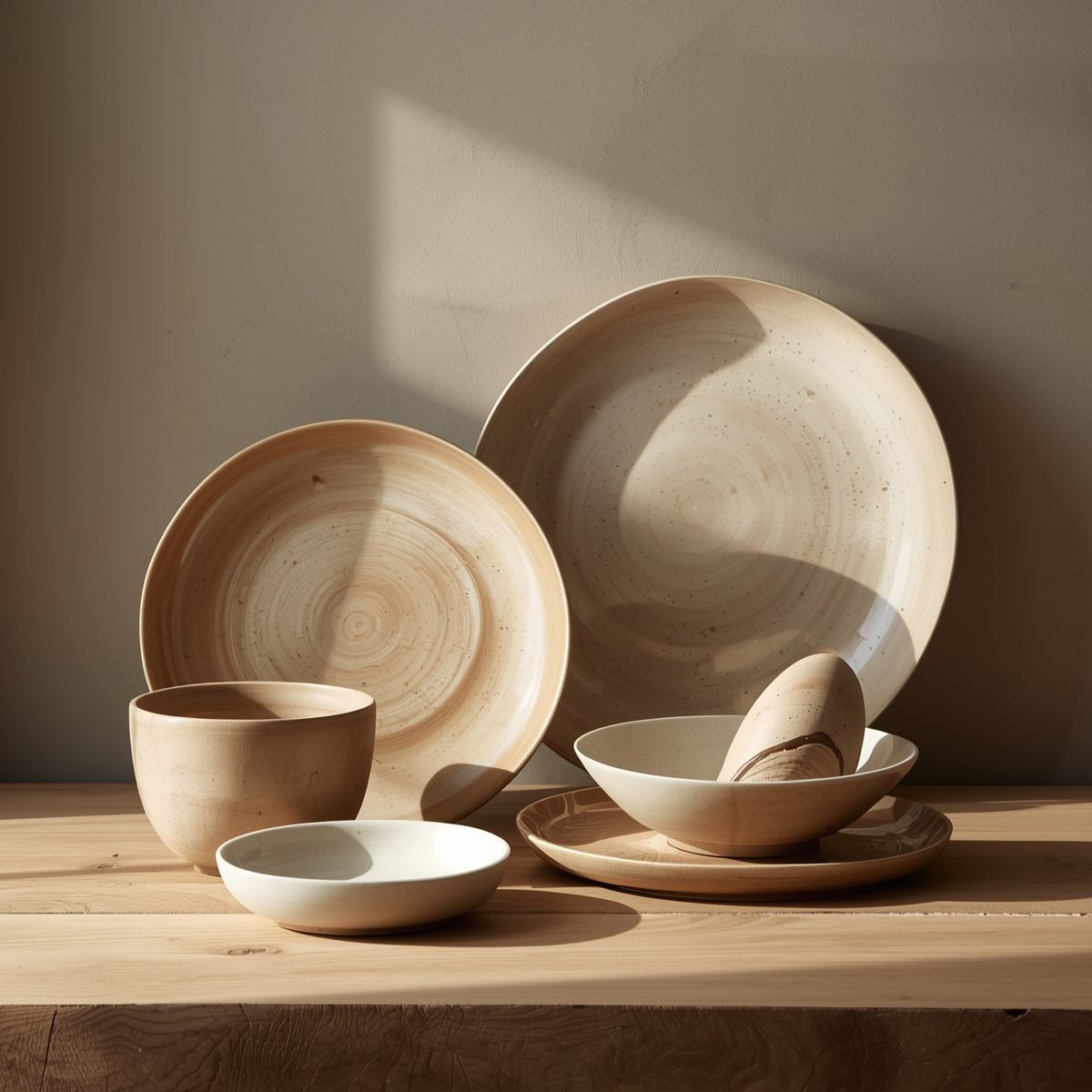
1. The Wabi-Sabi Inspired Dinner Set: Luxury Through Imperfection

Modern buyers are tired of the machine-perfect look. They want to feel the artist’s hand, not the factory’s mold. This is where wabi-sabi philosophy becomes a commercial advantage.
Why Wabi-Sabi Sells at High Profits
- Customers associate irregular shapes and subtle flaws with authenticity.
- Each piece is unique — something mass-market brands cannot imitate.
- Earthy aesthetics pair beautifully with modern minimal homes.
- Emotional storytelling becomes part of the product’s value.
A wabi-sabi dinner set typically embraces:
✔ Soft, irregular curves
✔ Organic glazing
✔ Matte and semi-matte finishes
✔ Visible brush strokes, cracks, or melt lines
✔ Muted earthy tones: sand, clay, cream, smoke grey, stone brown
These visual cues immediately communicate handcrafted luxury, not “factory plate.”
What to Include in the Collection
A cohesive wabi-sabi set can include:
- Dinner plate
- Side plate
- Multi-use bowl
- Shallow soup bowl
- Minimal drinking cup
- Small accessory dishes
The magic is in the consistency of texture and tone, not uniformity.
How to Position It for High Margin
Marketing is simple:
“No two pieces are alike — each one is a work of art.”
People are willing to pay more when they feel they’re buying something alive, personal, and unrepeatable.
Pair this with warm natural photography, and your profit margin increases instantly.
2. Sculptural Dinner Sets: Where Tableware Becomes Art
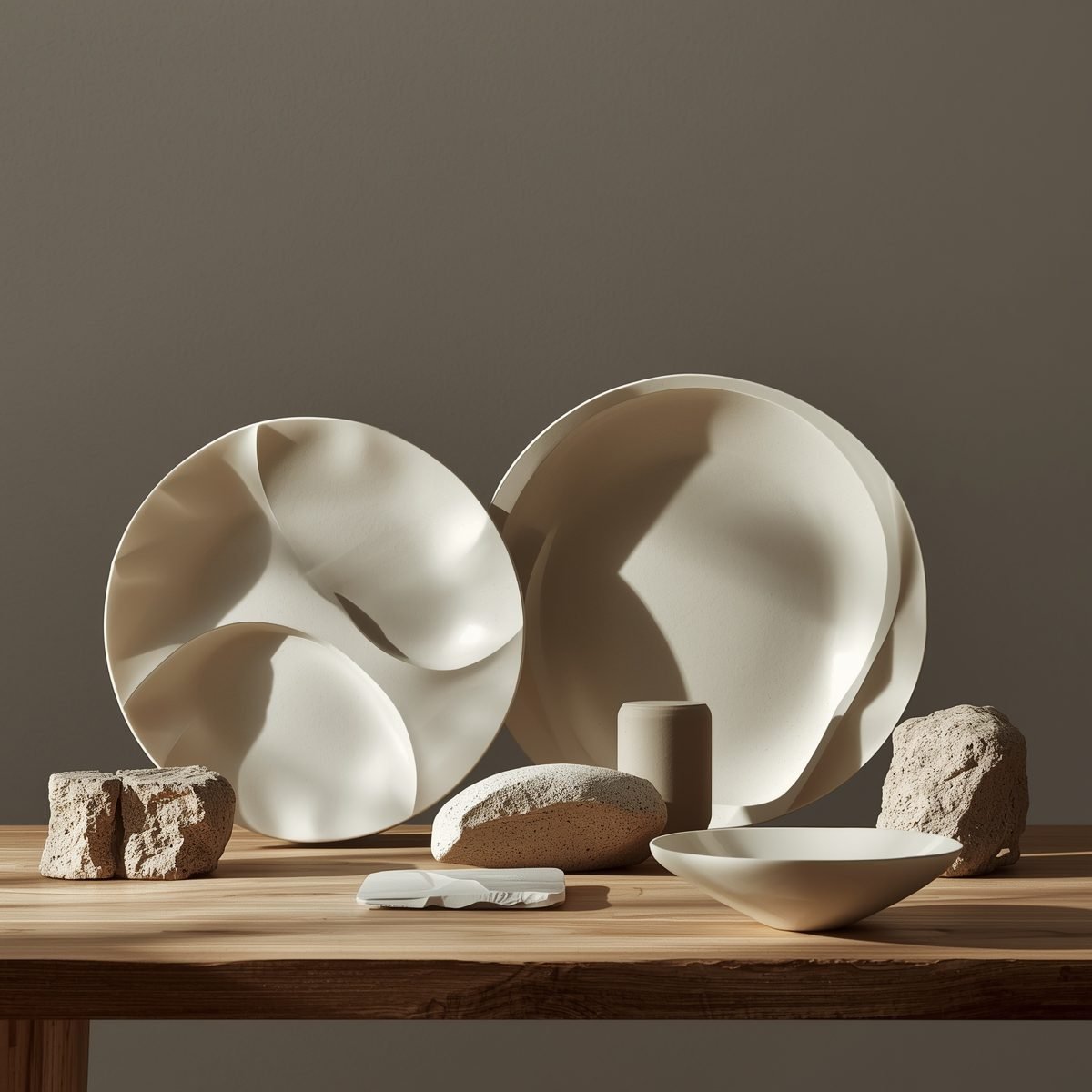
Design lovers — especially collectors — crave ceramics that blur the line between function and sculpture. These sets become statement pieces, conversation starters, and focal points of modern homes.
What Makes Sculptural Sets High-Value?
- Their artistic shapes signal exclusivity.
- They feel like museum pieces, not everyday plates.
- Customers pay more for originality and boldness.
This category focuses on form-driven design, such as:
✔ Folded or rippled edges
✔ Angular silhouettes
✔ Layered or carved textures
✔ Thick, sculpted rims
✔ Hand-built structural patterns
Even a simple plate can become a luxury product when its form is architectural and expressive.
Materials & Glazes That Elevate the Look
- Pure matte whites (gallery style)
- Stone-texture glazes
- Charcoal black with soft sheen
- Ivory satin glaze
- High-contrast two-tone patterns
The emphasis is not color — it’s shape, shadow, and presence.
How to Sell Sculptural Ceramic Sets at Premium Pricing
Use language like:
- “Artistic centerpiece tableware”
- “Functional sculptures for modern dining”
- “Made for collectors and design enthusiasts”
People buying this category care less about price and more about uniqueness.
A sculptural dinner set can easily exceed 3× or 4× the price of a conventional one.
3. Nature-Inspired Dinner Sets: Earth Tones, Organic Glazes & Botanical Textures
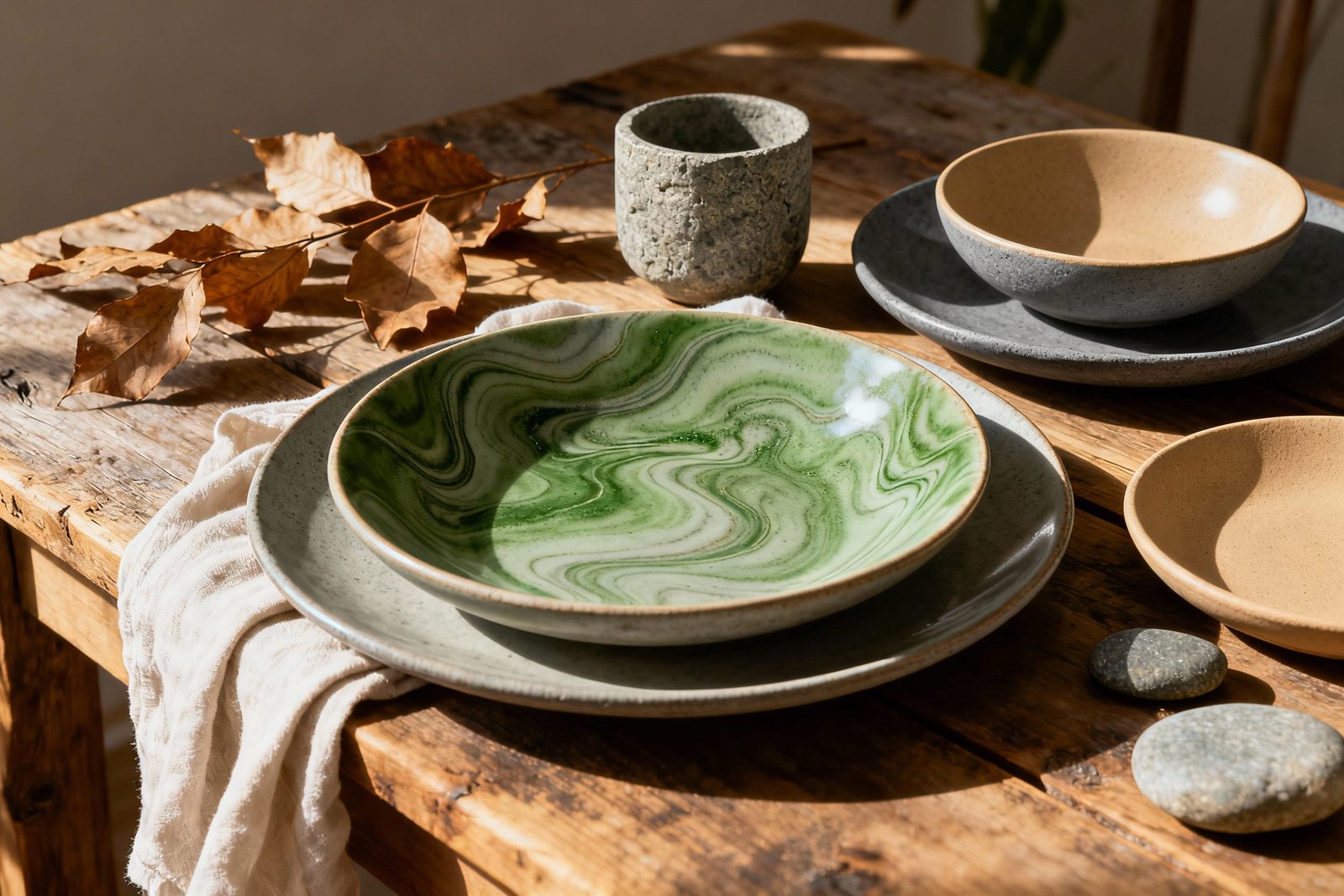
There is a massive global trend around “biophilic design” — bringing nature into living spaces. Ceramic artists can tap into this trend by designing tableware that feels grounded, earthy, and organically textured.
Why This Style Performs So Well
- It aligns with lifestyle trends: wellness, slow living, nature-centered homes.
- The textures and tones feel comforting and warm — perfect for everyday luxury.
- Customers see these sets as timeless, not trend-based.
Elements That Make the Set Look Luxurious
Nature-inspired sets often include:
✔ Leaf-like curves and contours
✔ Mossy greens
✔ Stone greys
✔ Sand beige
✔ Deep clay browns
✔ Crackle glazes
✔ Flowing gradient melts
Textures can mimic the look of:
- river stones
- sand dunes
- tree bark
- seashell interiors
- volcanic rock
These visual cues connect emotionally with buyers — and emotion drives spending.
How to Market This Set for Maximum Profit
Focus on storytelling:
“Inspired by the textures of the earth.
Designed to bring balance and warmth to every meal.”
This aesthetic works beautifully in product photos with wood, linen, and natural lighting, allowing you to present the set as a high-quality lifestyle product.
4. Minimal Luxury Sets: Soft Neutrals, Smooth Surfaces & Elegant Simplicity
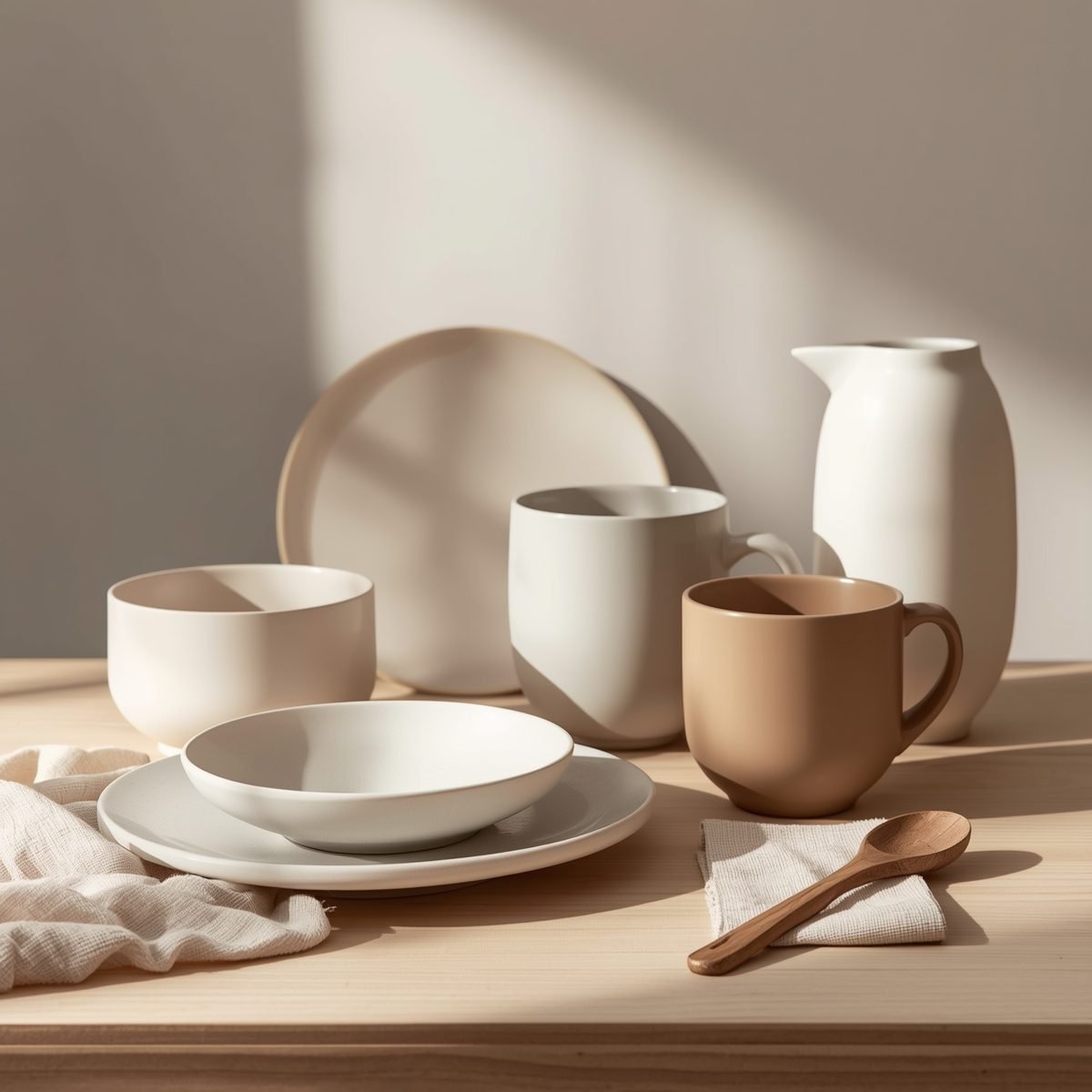
For customers who love elegance without noise, minimal luxury sets are top sellers.
This style is extremely profitable because it appeals to a very wide audience: modern homes, cafes, new couples, interior designers, and gift buyers.
What Defines Minimal Luxury?
- Perfectly clean silhouettes
- Soft matte neutrals (white, sand, taupe, cream)
- Modern simplicity
- Smooth textures
- Balanced proportions
This category is a best-seller because it feels safe, versatile, and premium all at once.
Color Palettes That Make It Look High-End
- Soft ivory
- Cloud grey
- Stone beige
- Pale clay
- Warm taupe
- Frosted white matte
Minimal designs rely on purity, proportion, and light rather than decoration.
How to Raise the Profit Margin
Minimal luxury is the easiest style to market as “premium,” especially when the photography is clean and refined.
Use messaging like:
- “Luxury in its purest form.”
- “Designed for modern timeless homes.”
- “Elevated simplicity crafted by hand.”
These phrases position the collection as aspirational and desirable — which customers happily pay more for.
How to Price Your Luxury Dinner Sets for High Profit
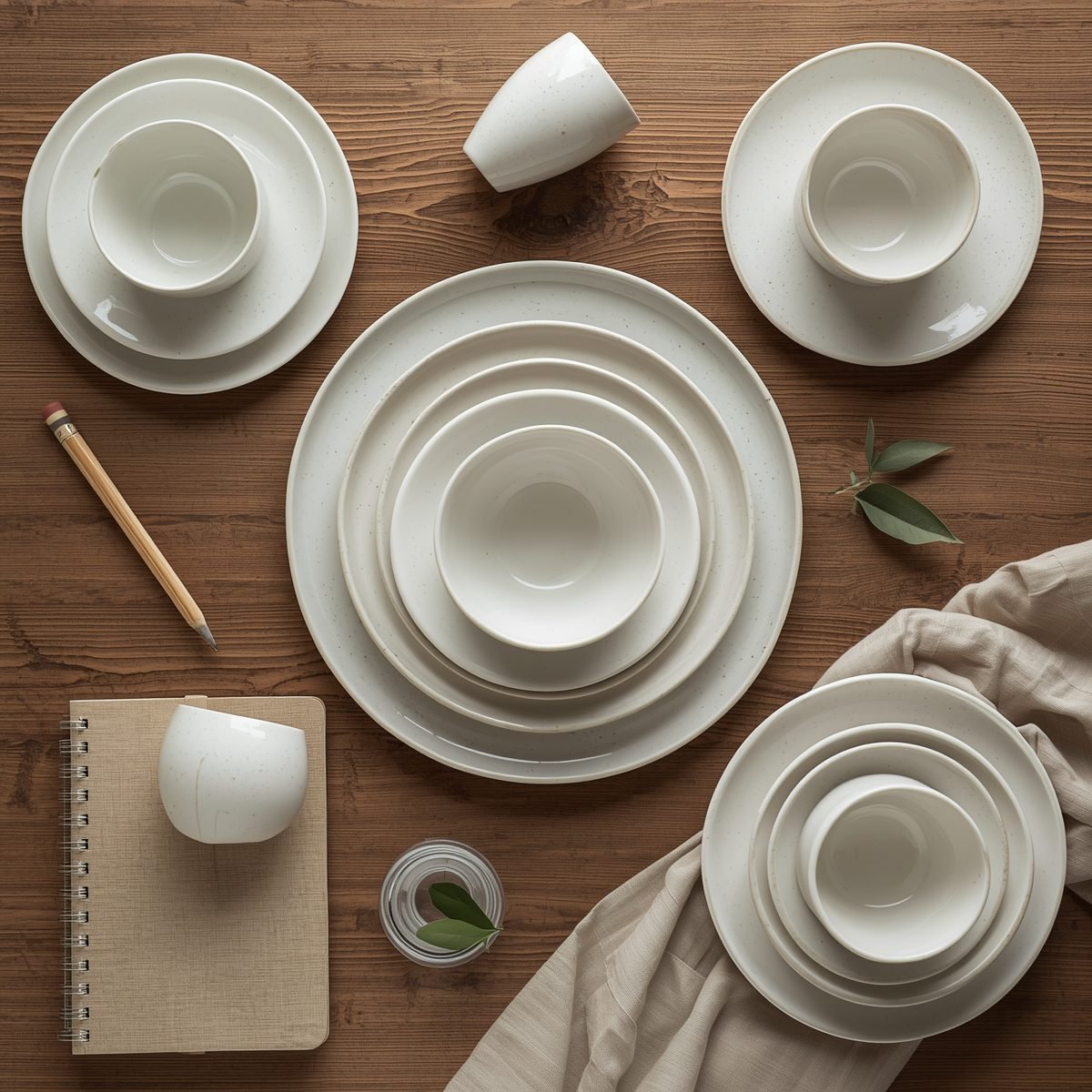
Regardless of the style you choose, high-margin ceramic tableware follows the same pricing principles:
1. Price by Collection, Not by Piece
A full set always sounds more valuable than individual plates.
Customers expect higher pricing and are willing to pay more for a complete look.
Offer sets like:
- 12-piece dinner set
- 16-piece luxury bundle
- Family set
- Hosting set for 4 or 6 persons
Bundles = higher perceived value = higher margins.
2. Use Premium Lifestyle Photography
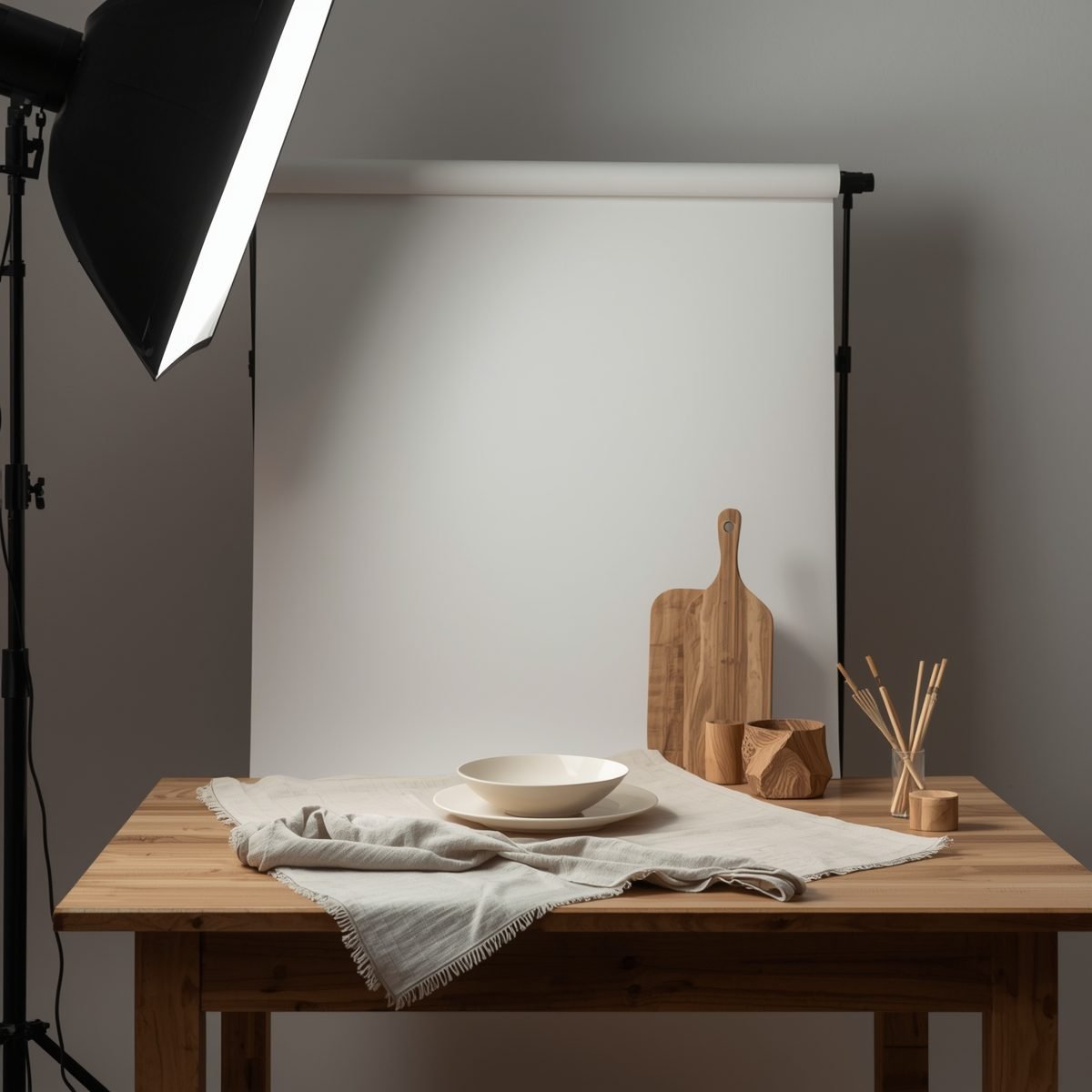
Your photos should feel like:
- a magazine spread
- an interior design catalog
- an artisan workshop story
Beautiful visuals instantly elevate perceived value.
3. Emphasize the Handcrafted Story
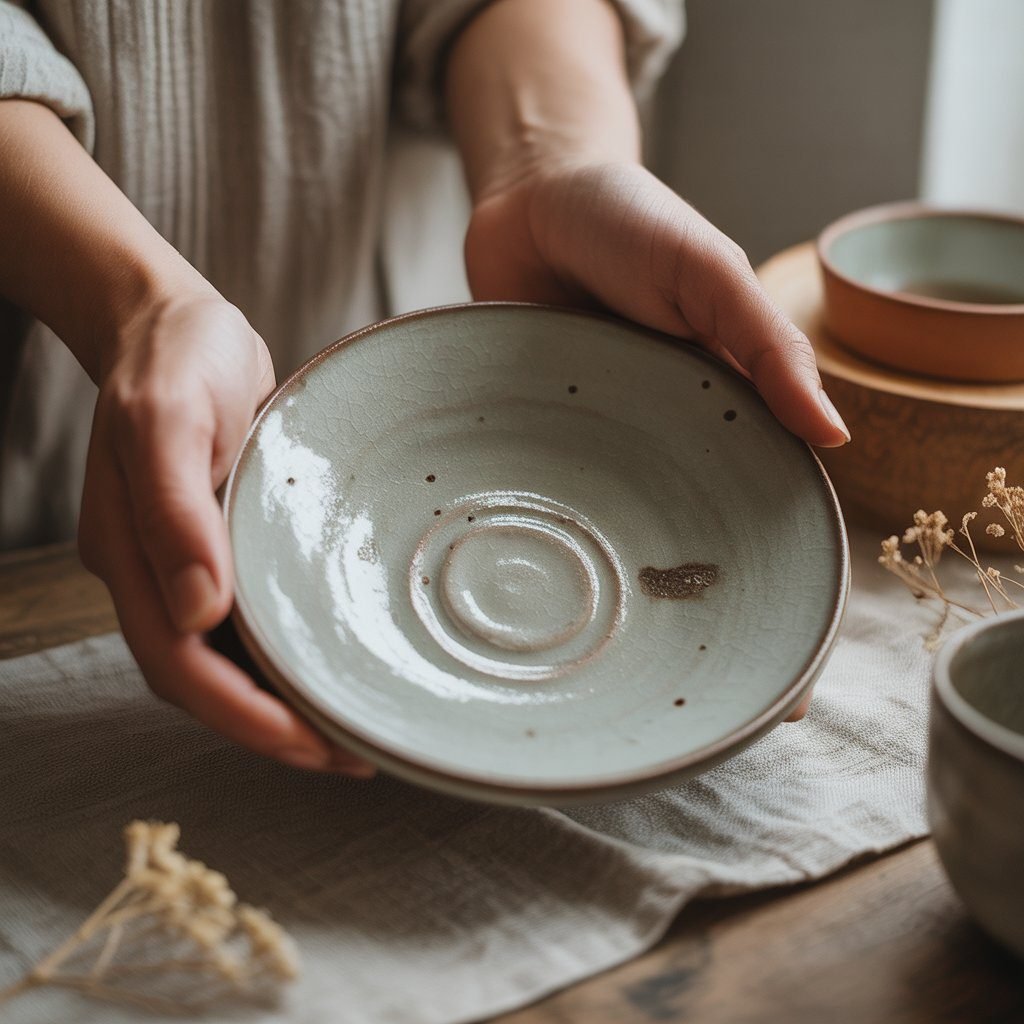
People don’t pay for plates — they pay for:
- craftsmanship
- emotion
- natural materials
- artistic identity
- unique imperfections
Make sure your product descriptions reflect the human element behind the work.
Final Thoughts: Luxury Ceramic Tableware Is a Business of Emotion
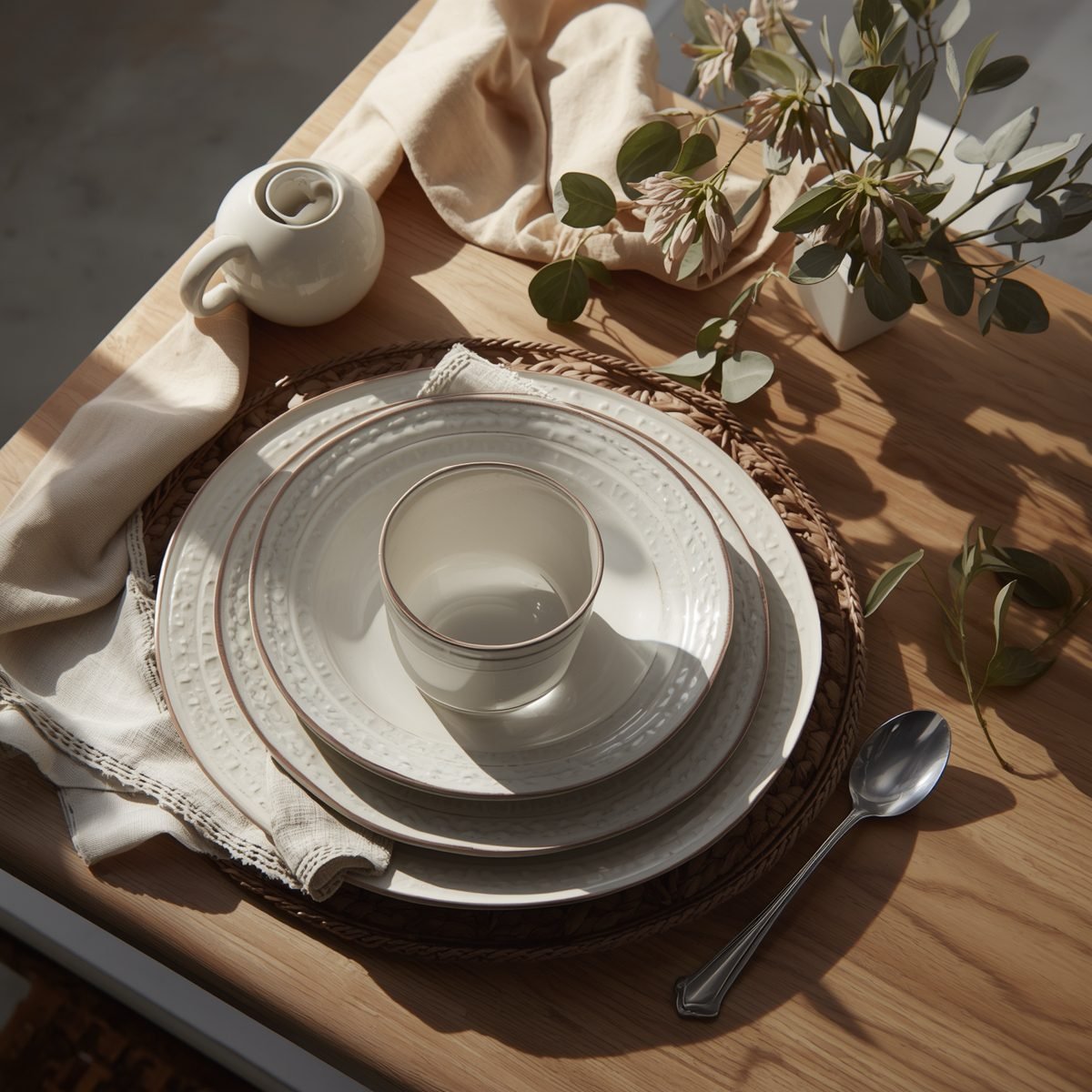
The most profitable ceramic dinner sets aren’t the ones that are the most complicated —
they’re the ones that hold meaning.
When someone chooses your handmade dinner set, they’re not buying an object.
They’re choosing:
- a story
- a lifestyle
- a mood
- a feeling of home
Luxury today is emotional, not industrial.
And ceramic artists are perfectly positioned to build high-profit collections that speak to the soul.
Whether you create wabi-sabi textures, sculptural forms, earth-inspired palettes, or minimal luxury pieces, your dinner sets can become the kind of art people use every day — and proudly display.
Design with intention.
Photograph with precision.
Sell with emotion.