
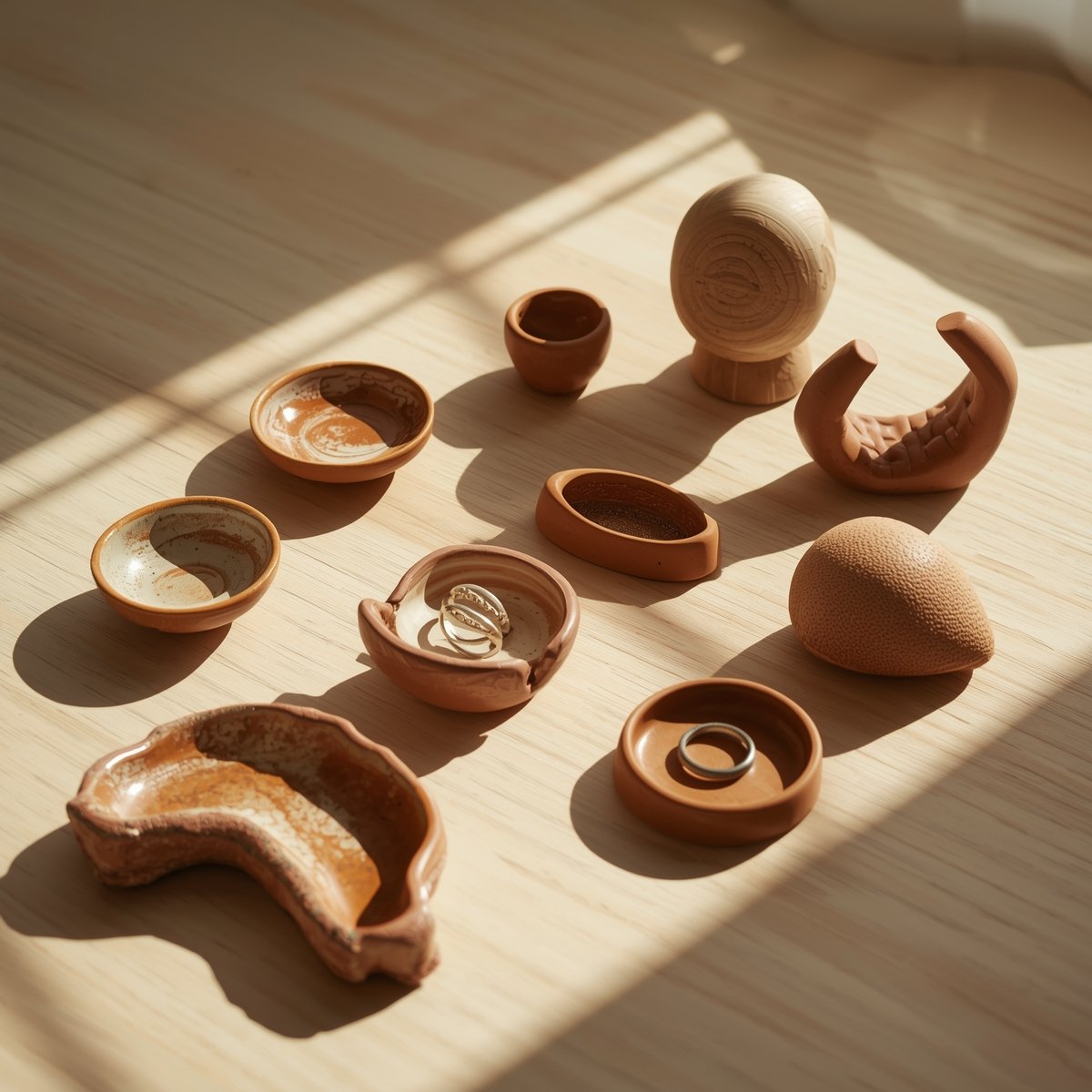
In the world of handmade crafts, some artists believe they need to create big pieces to earn big profits. But in today’s online marketplace, the complete opposite is true. Small artisanal ceramics — especially jewelry holders, ring dishes, and mini trinket bowls — have become some of the highest-margin items in the industry. They are small, easy to ship, inexpensive to produce, and loved by customers who want elegant, functional, and gift-ready art pieces.
Whether you’re an experienced ceramic artist or a beginner building your first product line, creating small ceramic pieces can open the door to easy scaling, fast production, and reliable online sales. With the rise of platforms like Etsy, TikTok Shop, Instagram Shops, and print-on-demand marketplaces, miniature ceramics have transformed into powerful best-sellers — not because they’re simple, but because they’re emotional.
People don’t buy a ring dish just to store jewelry.
They buy it because it feels personal. Because it tells a story. Because it makes their home feel more beautiful.
This guide gives you 6 winning ceramic jewelry-holder design ideas that are simple to make, fast to dry, inexpensive to glaze — and capable of selling for surprisingly high prices.
Let’s dive into the world of small pieces with big profits.
Why Small Ceramic Pieces Sell for High Prices

Before we look at specific design ideas, it’s important to understand why small ceramic items have become so profitable:
1. They are impulse buys
Low risk → quick purchase.
Most shoppers don’t hesitate to spend $18–$40 on an artistic mini dish — especially if the photos are beautiful and the design feels meaningful.
2. They make perfect gifts
Birthdays, Mother’s Day, Valentine’s Day, anniversaries… jewelry holders are a universal gift that fits anyone.
3. They are cheap to ship
Small, lightweight, shock-resistant designs minimize shipping costs and breakage.
4. They require less clay, less glaze, less firing time
Your material cost drops dramatically, while your profit margin stays high.
5. They fit beautifully into minimalistic and aesthetic home decor
Customers love adding them to nightstands, vanities, bookshelves, and desks.
6. They are Instagram- and TikTok-friendly
Perfect for ASMR glazing clips, timelapse videos, or aesthetic still-life photos.
Once you understand that customers value design and meaning more than size, small ceramic holders become one of the smartest products you can make.
6 Easy Ceramic Jewelry & Trinket Holder Designs That Sell for Big Prices
These designs are intentionally simple yet stunning — ideal for fast production and high margins.
1. The Classic Round Ring Dish (Minimalist Best-Seller)
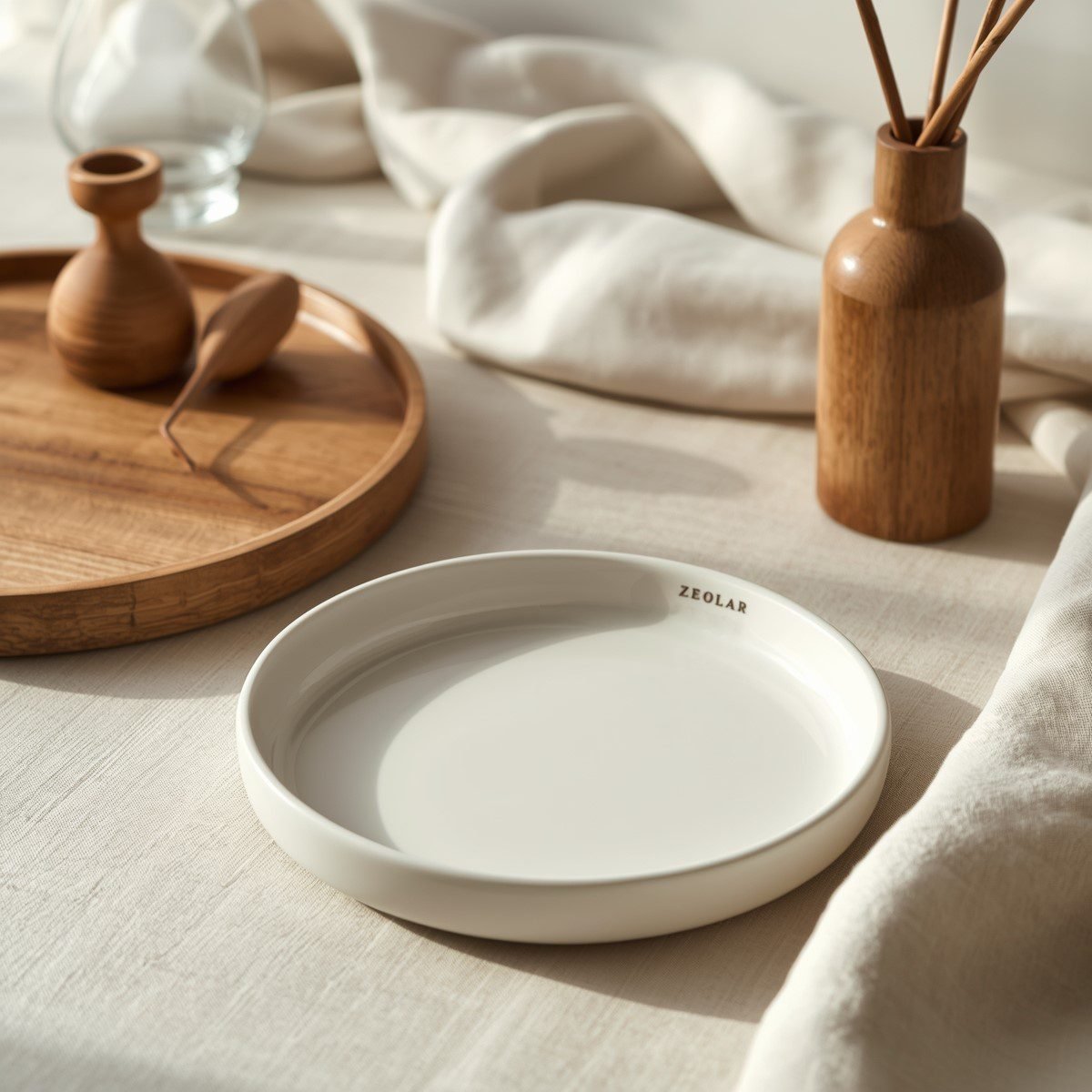
Every ceramic artist should have a round mini dish in their product line. It’s the foundation of all jewelry holders — simple, elegant, and always in demand.
Why It Sells
- Customers love the clean, modern look
- Easy to customize with glazes, engravings, or patterns
- Perfect for gifting
- Works with nearly any interior style
Design Tips
- Aim for a 7–10 cm diameter
- Keep the walls thin but sturdy
- Use neutral glazes: ivory, sand, fog gray, matte white
How to Add Value
- Add tiny carved lines
- Soft spiral texture in the center
- A handmade fingerprint swirl (emotional touch)
Simple doesn’t mean basic — minimalism is a luxury now.
2. Crescent Moon Ring Holder (Perfect for Aesthetic Lovers)
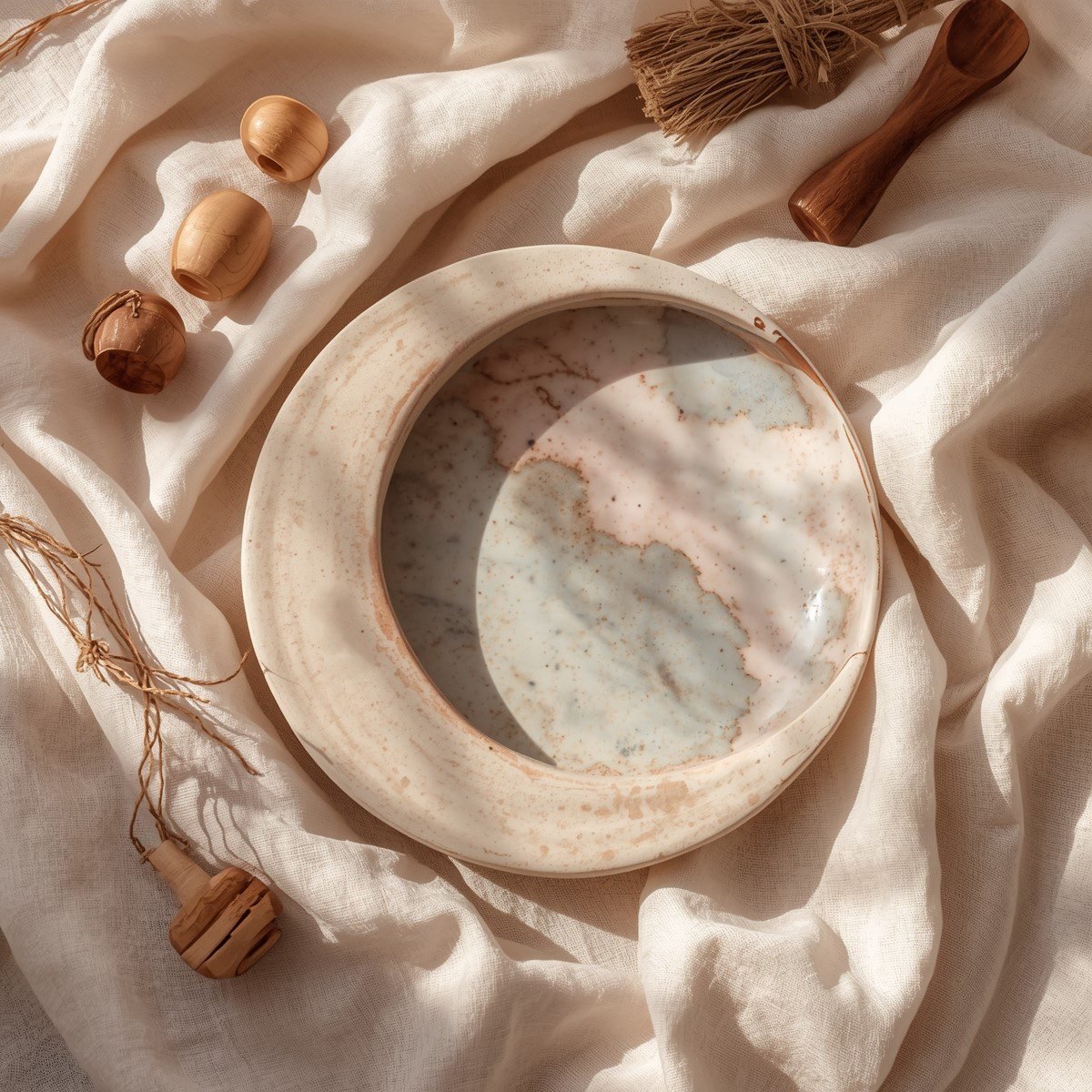
Moon-shaped dishes and trinket trays have taken off on social media. This is the perfect product for astrology lovers, spiritual customers, and buyers who follow cottagecore or boho aesthetics.
Why It Sells
- Feels magical and symbolic
- Photographs beautifully
- Builds emotional connection
Design Tips
- Keep the moon curve smooth and delicate
- Use shimmery or gradient glazes
- Add tiny star impressions
How to Add Value
- Offer sets: moon dish + star mini tray
- Create a matching jewelry stand for necklaces
This piece practically markets itself.
3. Leaf-Themed Trinket Dish (Nature-Inspired Bestseller)
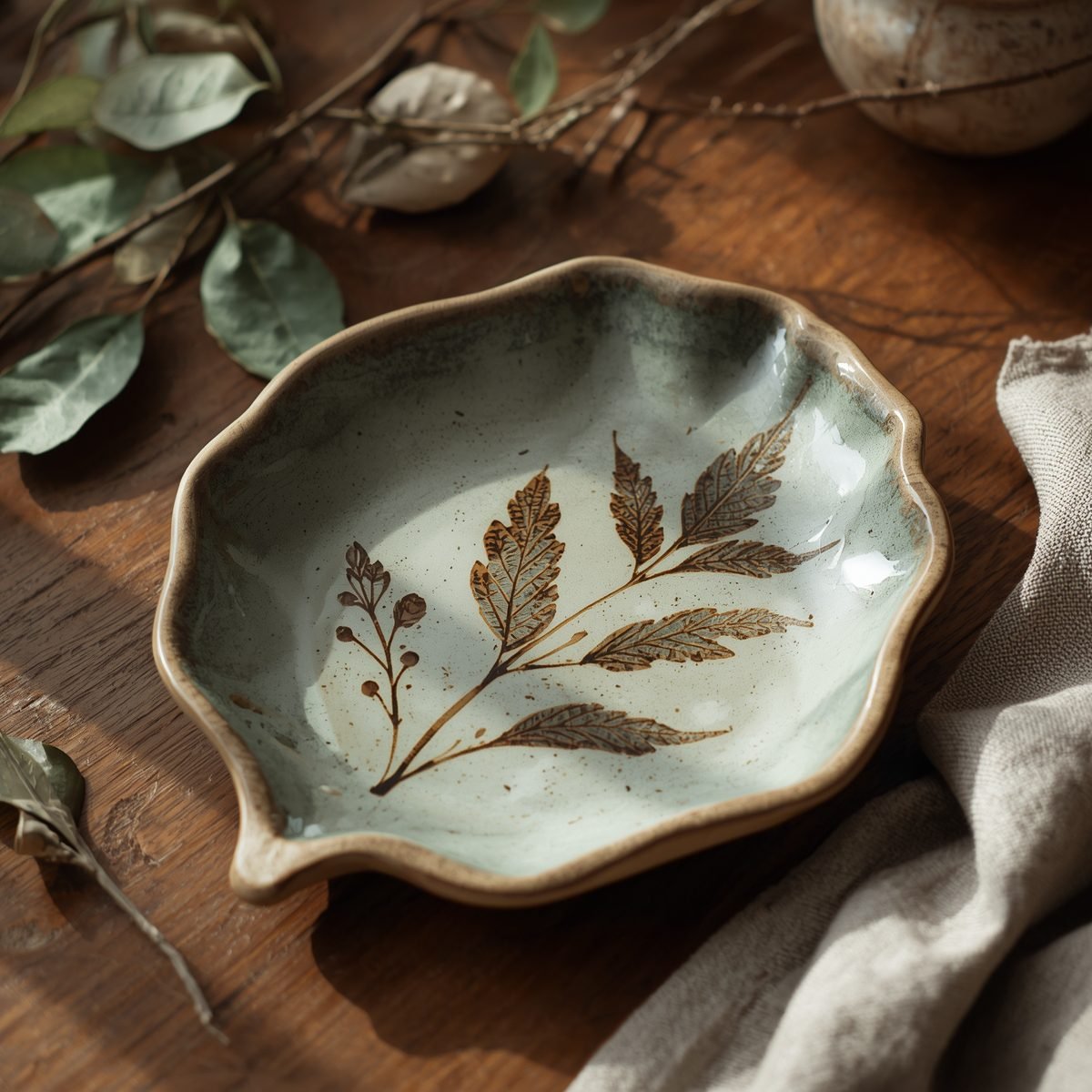
Botanical designs are eternal sellers because nature never goes out of style.
Why It Sells
- Customers associate leaves with calmness and nature
- Perfect for eco-friendly brands
- Works great for rings, earrings, and crystals
Design Tips
- Press a real leaf onto the clay to create texture
- Use green, amber, or matte ochre glazes
- Keep edges organic, not perfect
How to Add Value
- Sell it as part of a “nature-inspired trio”
- Add a matching ceramic spoon rest or incense dish
Nature = profit.
4. Tiny Footed Bowl for Small Jewelry (High-End Look)
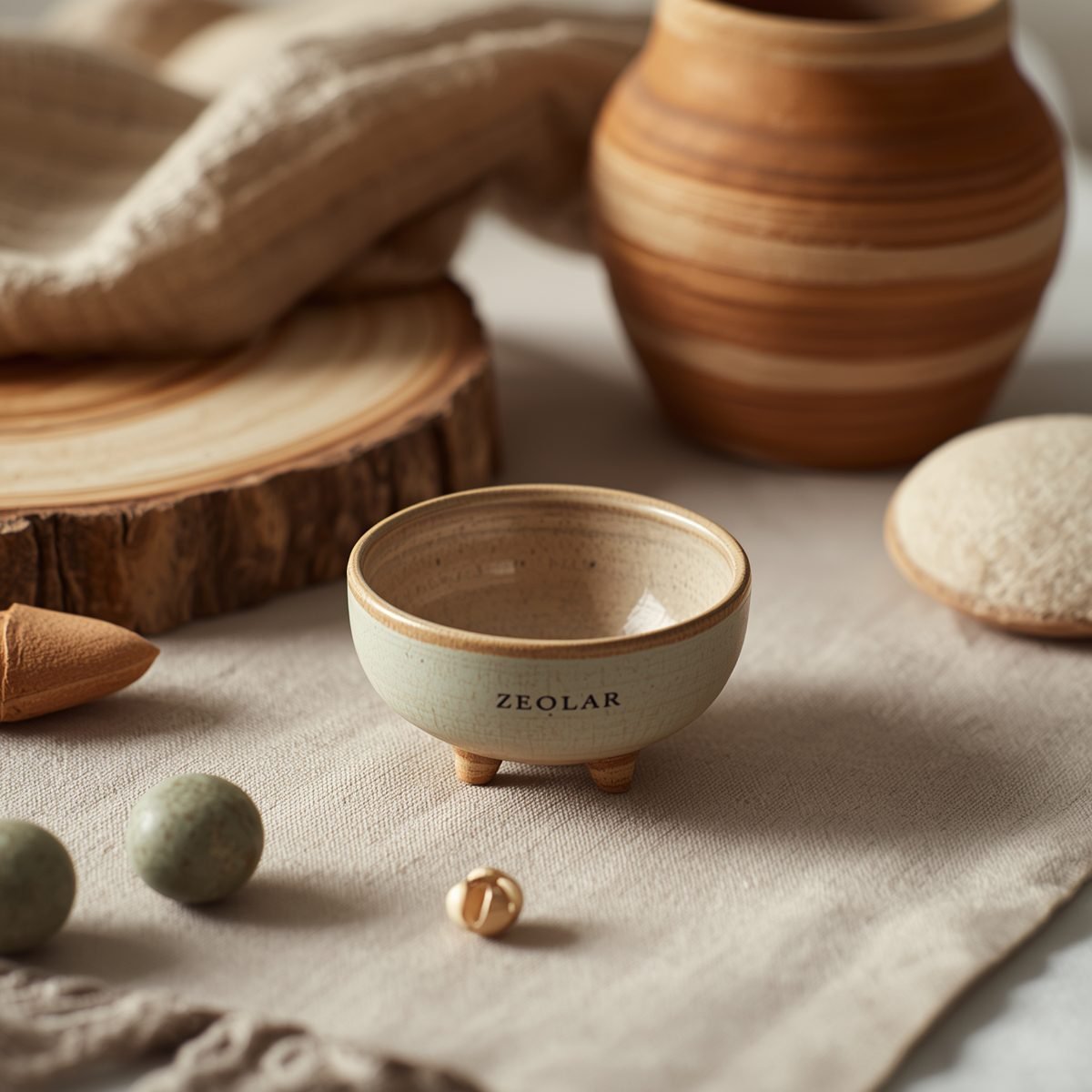
A small bowl with 3–4 tiny handmade feet instantly looks artisanal and luxurious.
Why It Sells
- Footed designs appear more “gallery-style”
- Customers associate feet with craftsmanship and higher value
- Makes small items feel precious
Design Tips
- Keep the bowl around 6–8 cm
- Create round, stable clay feet
- Keep colors warm and calming: cream, beige, moss, honey glazes
How to Add Value
- Add a golden (non-metallic) overglaze effect using warm-toned clay stains
- Offer variations with textured clay
This type of bowl often sells for 3× the price of a flat dish.
5. Sculpted Hand Dish (Symbolic & Highly Giftable)
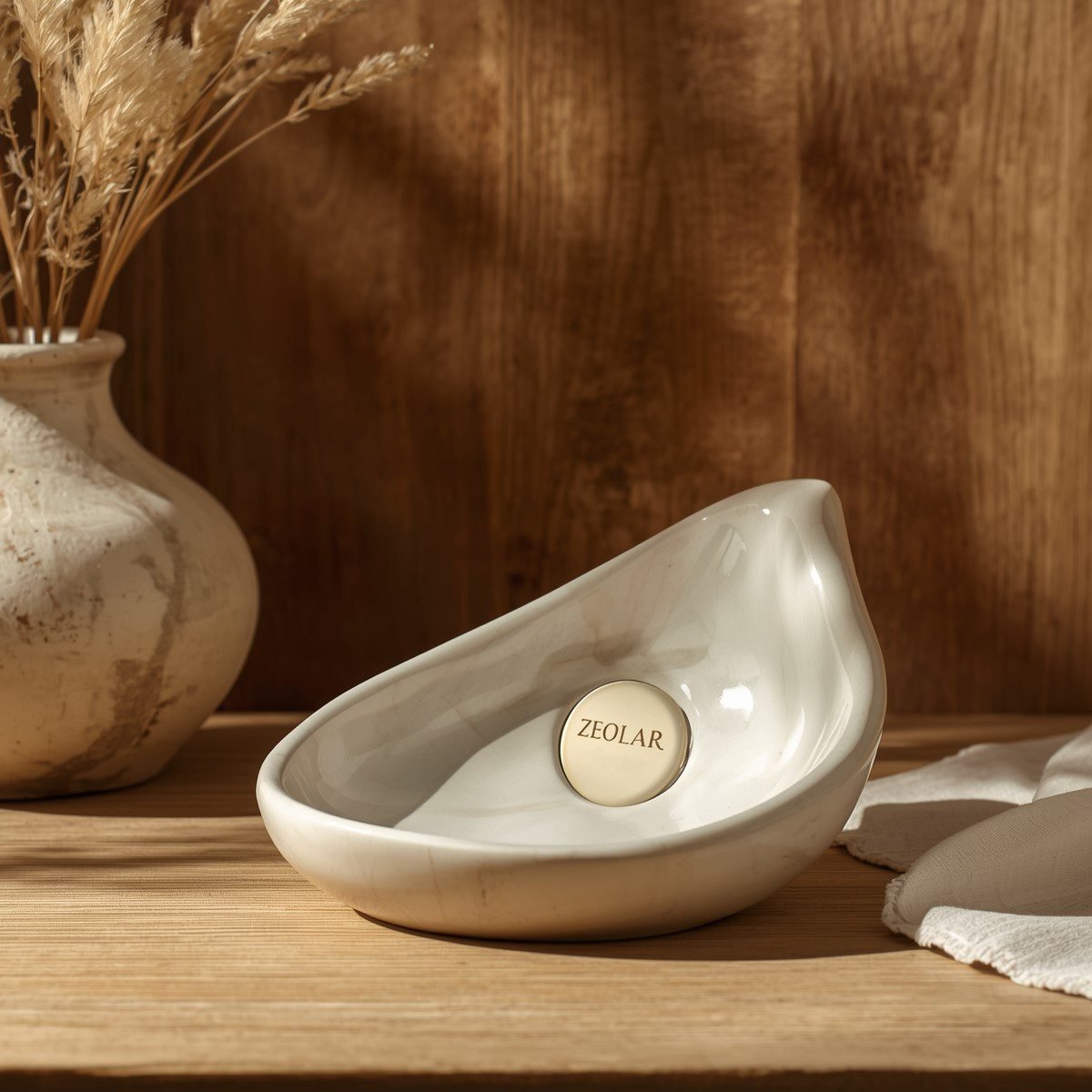
A ceramic dish shaped like a small hand — curved to hold jewelry — is one of the most emotional products you can make.
Why It Sells
- Symbolizes giving, care, protection
- Very aesthetic for photography
- Unique and rare
Design Tips
- Sculpt a minimal hand, not a realistic one
- Keep the palm deeper to hold items
- Use matte glazes for a soft, human feeling
How to Add Value
- Add engraved lines for the palm
- Offer small hand-shaped incense holders to match
Symbolism sells more than shape.
6. Abstract Organic Tray (Modern, Artistic, High-End)
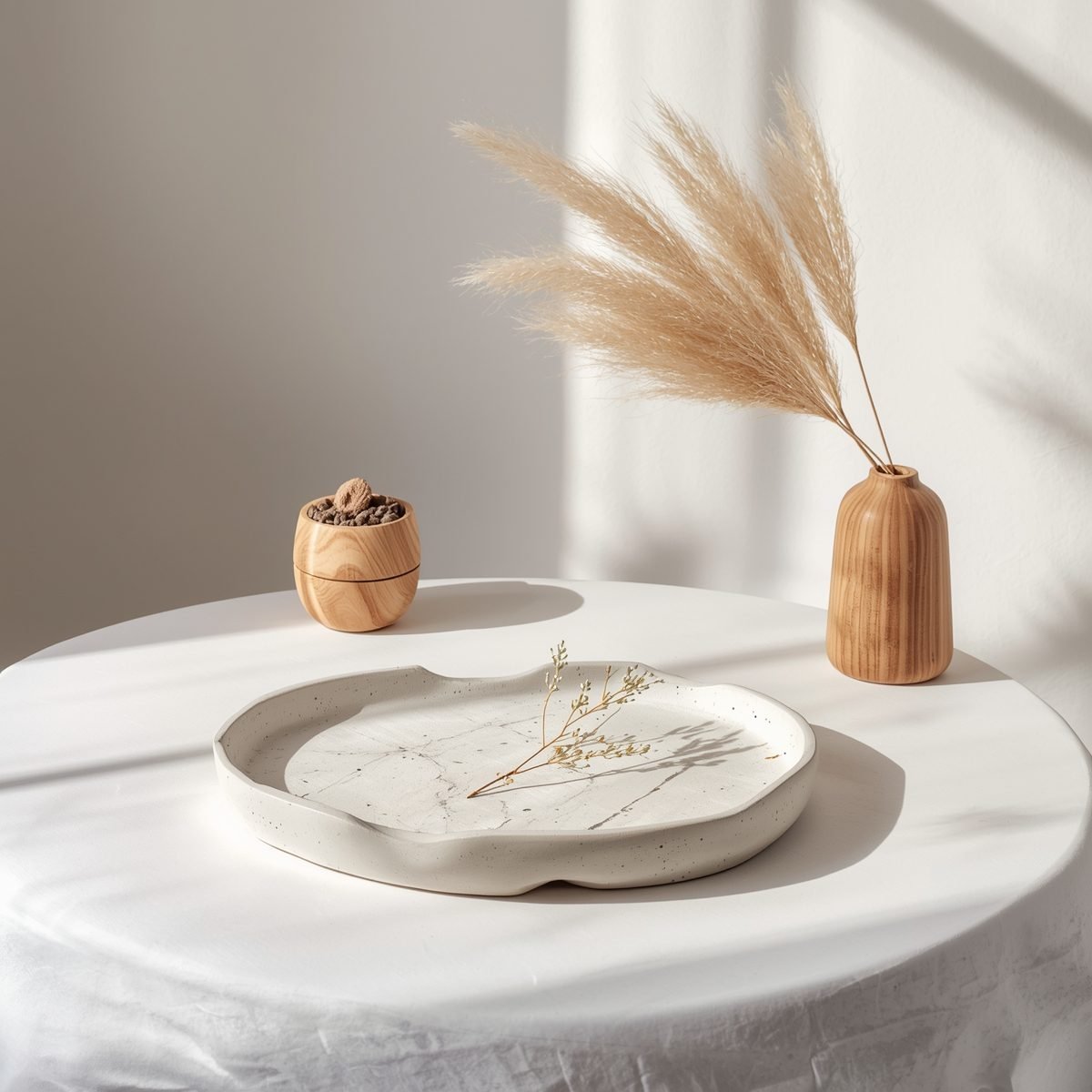
For customers who love contemporary decor, abstract trays with irregular shapes are a big hit.
Why It Sells
- Perfect for modern minimalist homes
- Looks expensive
- Appeals to design-forward buyers
Design Tips
- Make a soft, wavy outline (no symmetry)
- Use textured clay and glossy edge glazing
- Keep the form subtle but artistic
How to Add Value
- Offer 3 sizes as a matching set
- Make limited-edition glaze colors
A design that looks like it belongs in a boutique gallery — but easy to make.
Pricing Your Small Ceramic Pieces for Maximum Profits
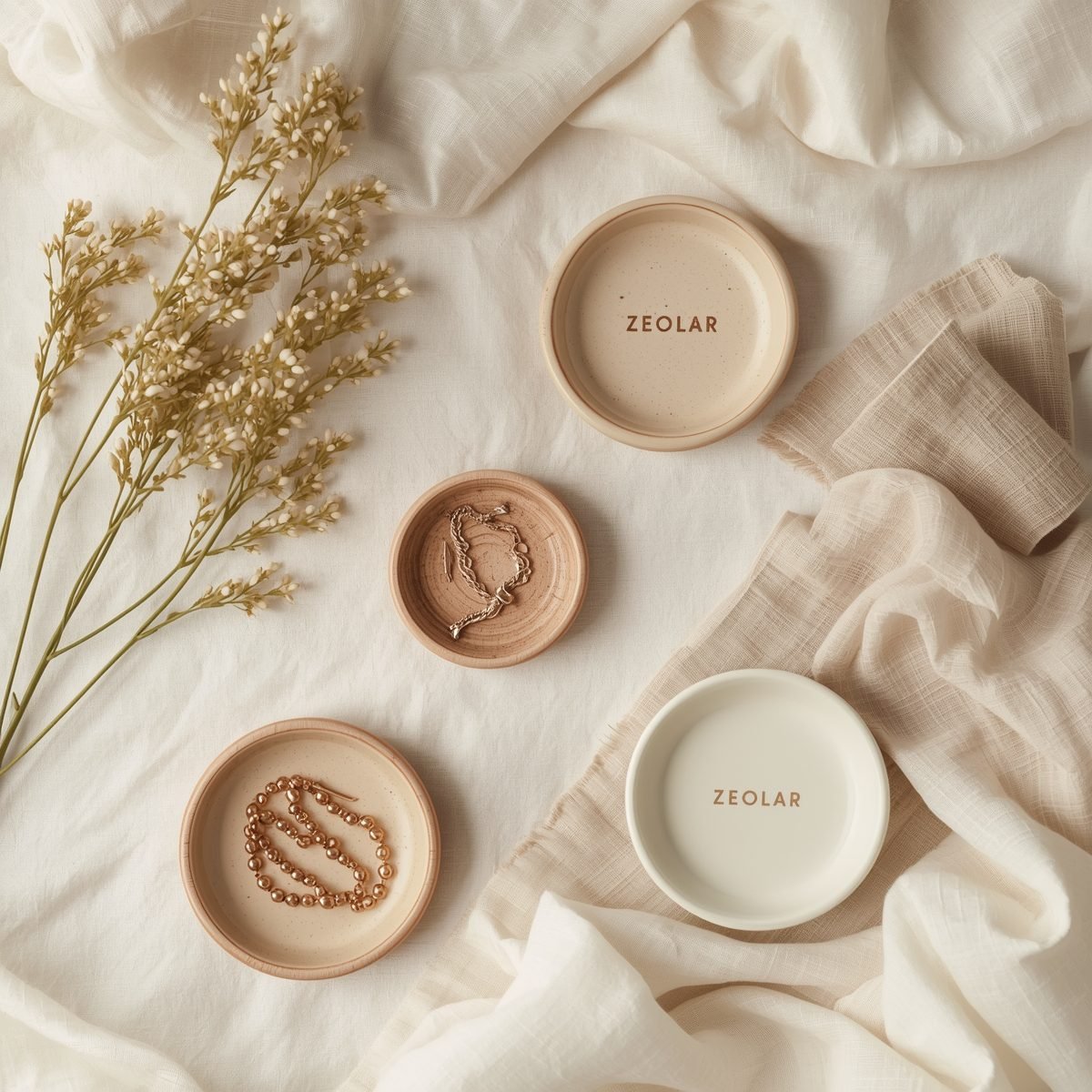
Here’s how to price small jewelry holders to stay competitive and profitable:
1. Know your true cost
Include:
- Clay
- Glaze
- Electricity/firing
- Packaging
- Time spent
2. Apply the 2.5× or 3× rule
Most successful sellers multiply their cost by 2.5 to 3 for retail pricing.
3. Understand customer psychology
People expect small items to be cute, meaningful, and premium — not cheap.
Mini ceramics often sell for:
- $18–$25 for simple dishes
- $30–$45 for special shapes
- $50+ for artistic footed bowls or hand trays
4. Create bundles
Pairing a ring dish with a trinket tray always increases the order value.
5. Improve your product photography
Beautiful images = higher price acceptance.
How to Make Your Pieces Stand Out Online

To rise above the competition, focus on the three elements customers notice most:
1. Texture
Handmade textures are proof of authenticity.
2. Glazing
Soft-tone matte glazes perform best for jewelry holders.
3. Storytelling
Explain what inspired the shape, glaze, or meaning.
Customers aren’t buying clay — they’re buying emotion.
Final Thoughts: Small Size, Big Opportunity

Ceramic jewelry holders and mini trinket dishes prove that you don’t need to craft large, complicated pieces to build a profitable online business. With the right shapes, glazes, photography, and storytelling, even the smallest ceramic dish can become a product that sells out consistently.
The world is moving toward handmade, artisanal, meaningful objects — and small ceramics perfectly embody that movement.
If you want to create a product line that is affordable to produce, high in value, and extremely easy to sell online, these six designs are your roadmap.
Small pieces.
Big prices.
Huge potential.