
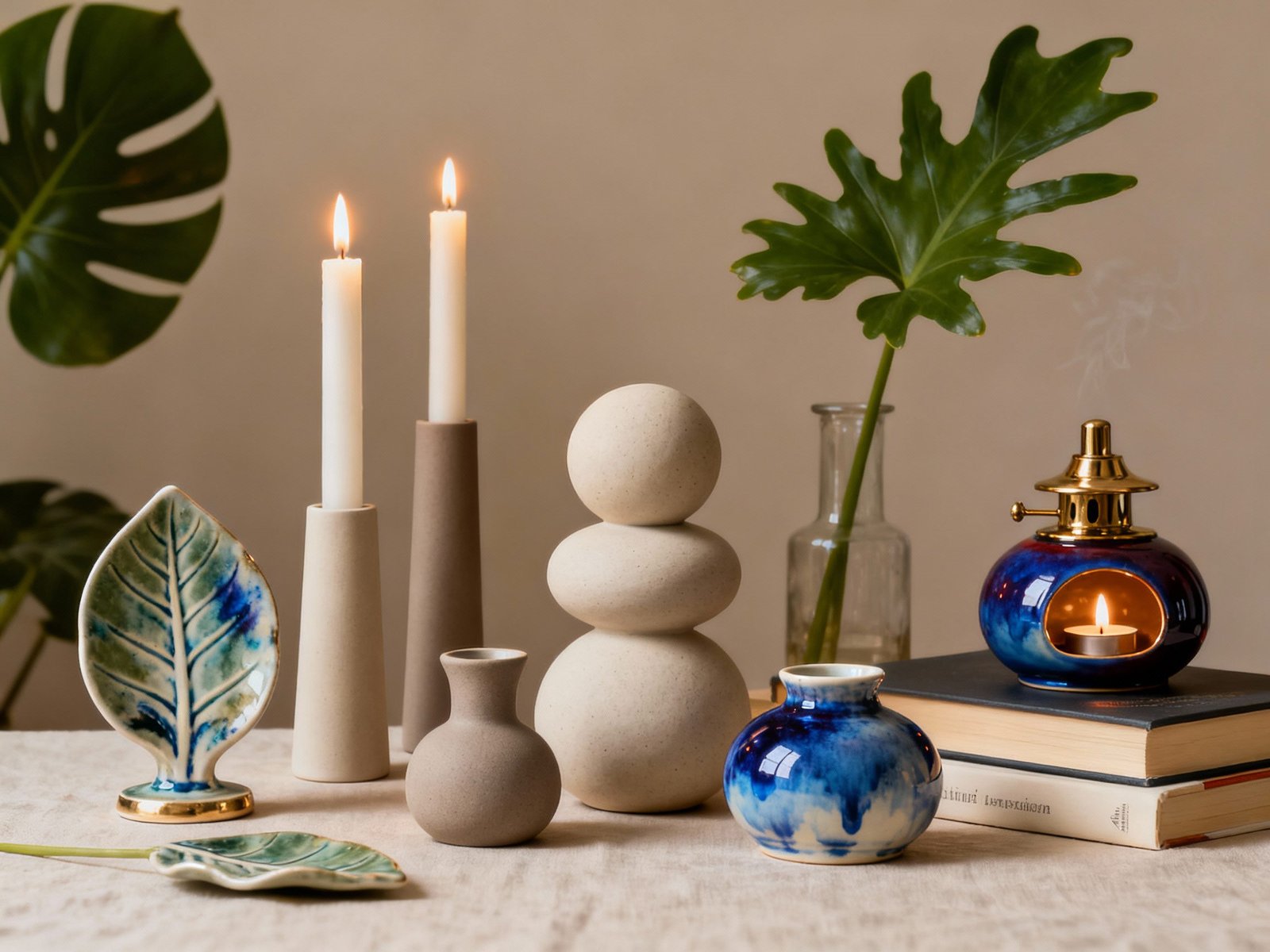
Handcrafted ceramics have always held a special place in the world of design — but today, they’re experiencing a renaissance unlike any other. As people search for beauty, authenticity, and emotional warmth in their homes, ceramic candle holders and oil warmers have emerged as essential elements in modern interior aesthetics. They bring together light, texture, and atmosphere in a way that feels both ancient and refreshingly contemporary.
In 2025, the resurgence of handmade pieces is shaping new trends in form, glaze, and functionality. This guide explores the art of making ceramic candle holders and oil warmers — from trending shapes to the most captivating glaze styles — and how these pieces can elevate both personal spaces and artisan brands.
Whether you’re a beginner experimenting with clay or an experienced ceramic artist, this comprehensive article will help you understand what makes these items so desirable and how to create pieces that truly stand out.
1. Why Ceramic Candle Holders and Oil Warmers Are More Popular Than Ever

The demand for handcrafted home décor continues to rise, but candle holders and oil warmers hold a unique appeal. Their purpose is simple: they create atmosphere. They add warmth, scent, and intimacy to any setting — transforming a room from ordinary to serene within minutes.
Beyond functionality, these pieces embody the beauty of craftsmanship. Each groove, curve, and glaze tells the maker’s story. In an age where digital overload dominates daily life, people crave tactile, slow-made objects that bring a sense of grounding.
The Emotional Appeal of Handmade Light Sources
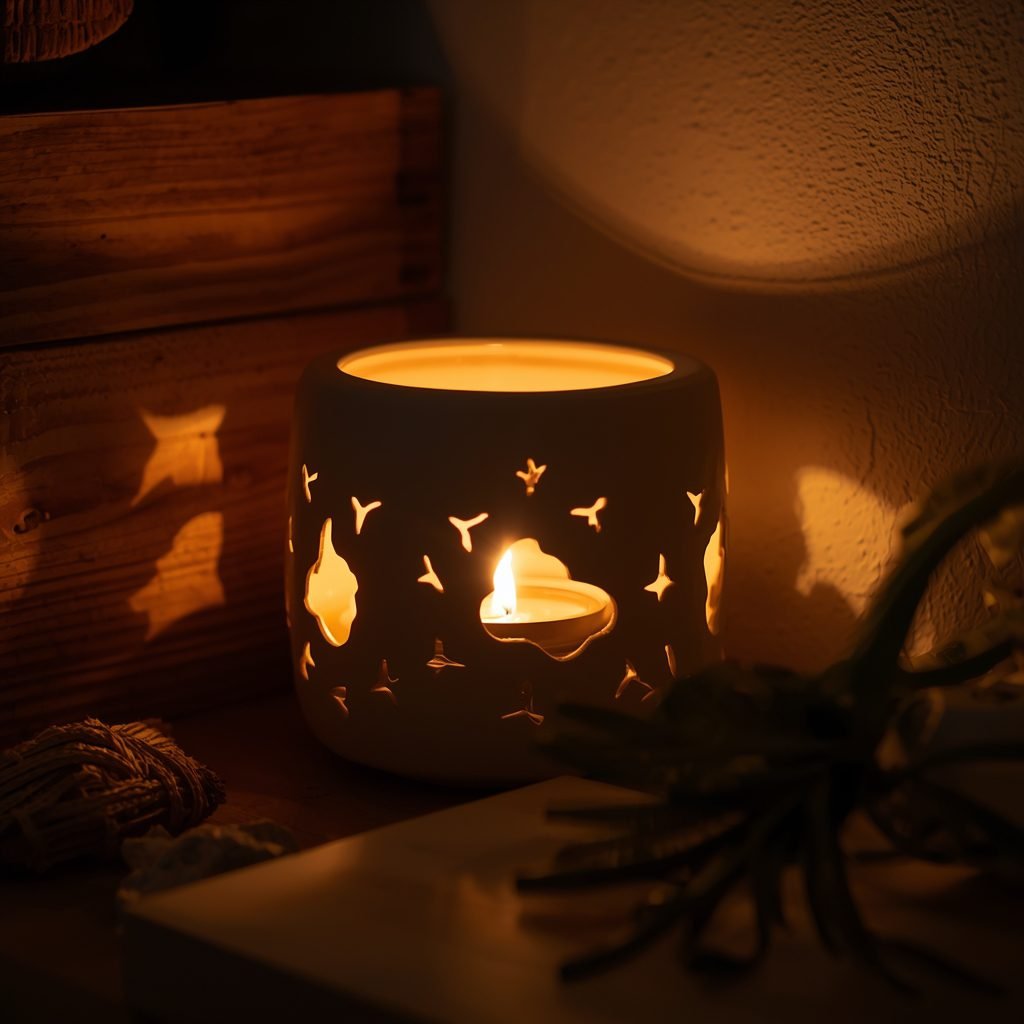
There’s something magical about the way flame interacts with clay. Ceramic surfaces absorb and reflect light in ways no synthetic material can replicate. A handmade candle holder glows with character — its textures casting subtle shadows on nearby walls. An oil warmer diffuses scent gently, creating an emotional atmosphere tied to comfort and calm.
For many, these items have become ritualistic objects:
- Used during meditation.
- Placed in reading spaces.
- Added to evening routines for relaxation.
Their presence softens energy and enhances the sensory experience.
2. Essential Elements of Designing Ceramic Candle Holders
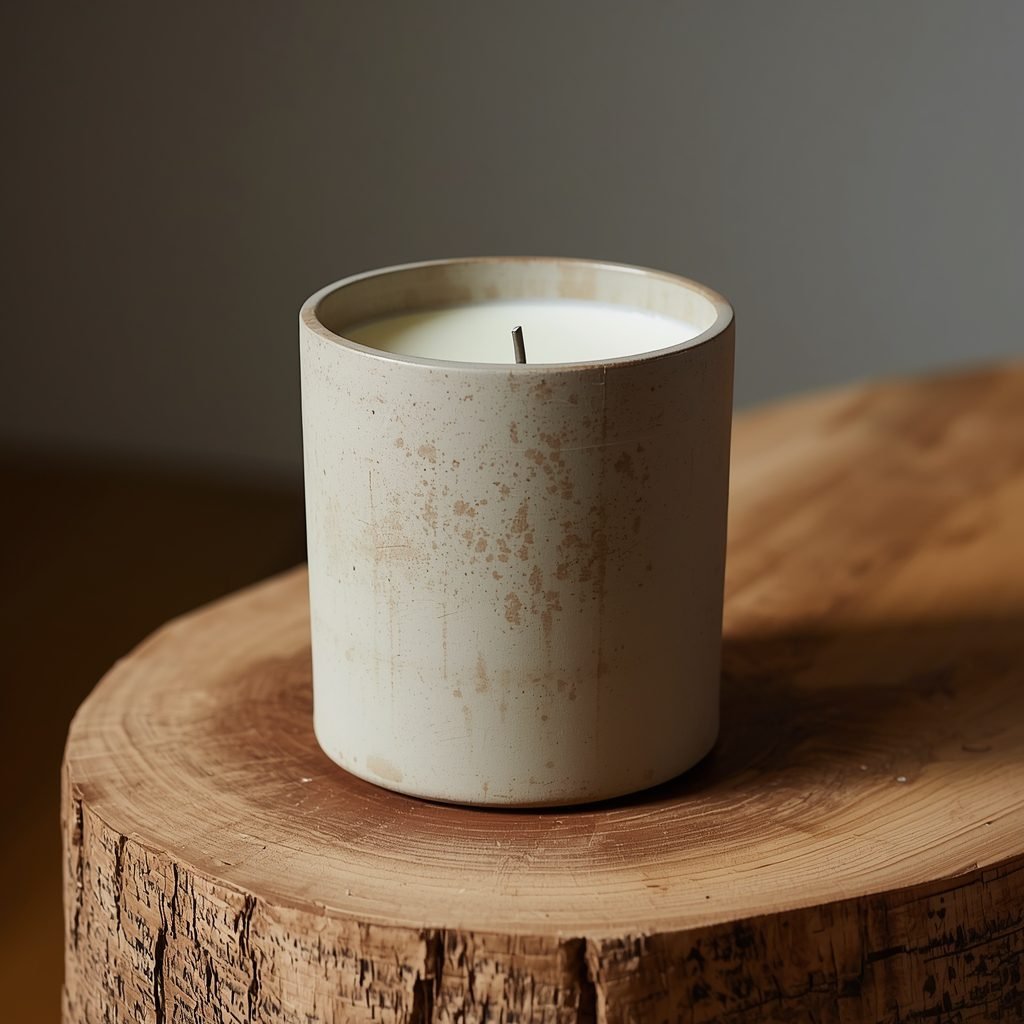
Candle holders may seem simple, but their design reveals significant craftsmanship. A well-made piece balances form, function, and safety while still expressing artistic identity.
a. Stability and Weight
Candle holders must be stable enough to support weight and resist tipping. Many artisans prefer using stoneware clay because it creates heavier, more grounded forms that feel secure.
b. Heat Resistance
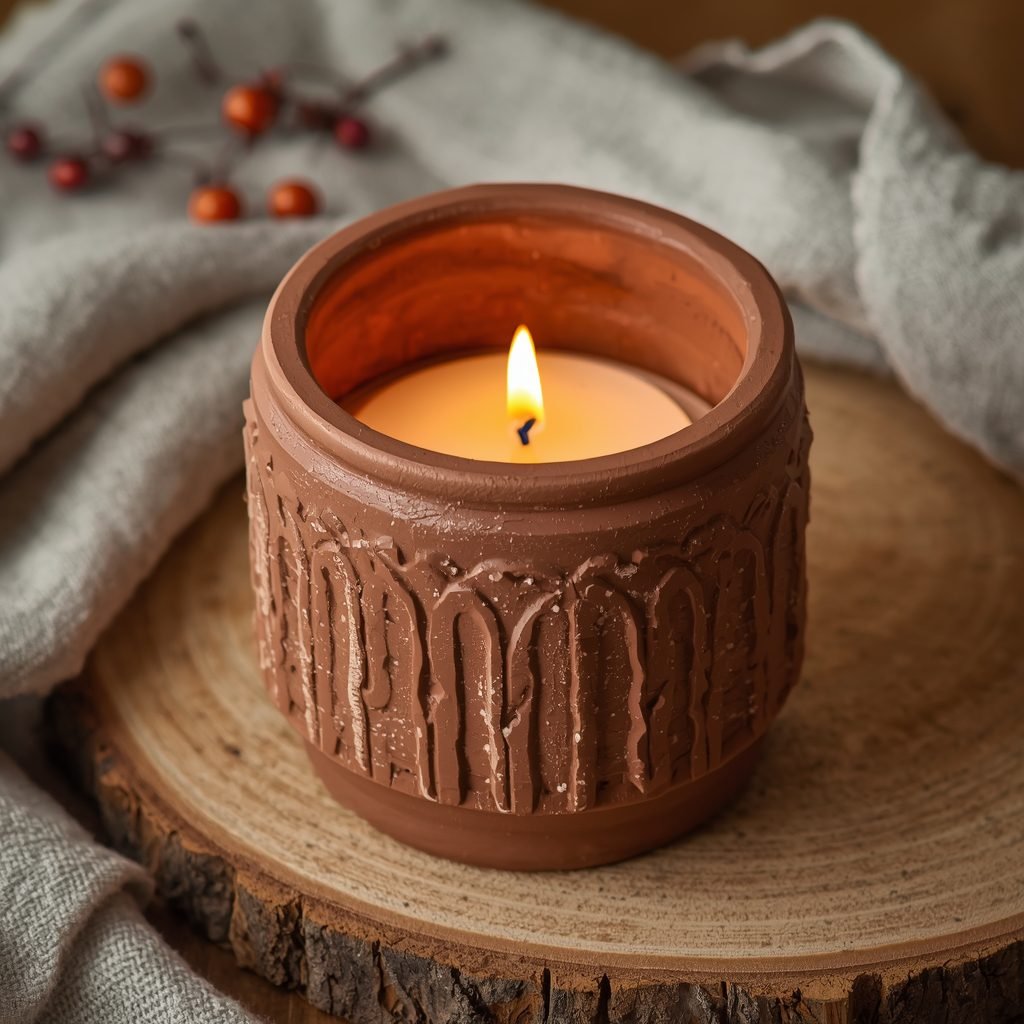
Stoneware and high-fire clay bodies are preferred due to their durability and ability to withstand prolonged heat exposure. The design should ensure that no area becomes too thin, preventing potential cracks.
c. Light Play
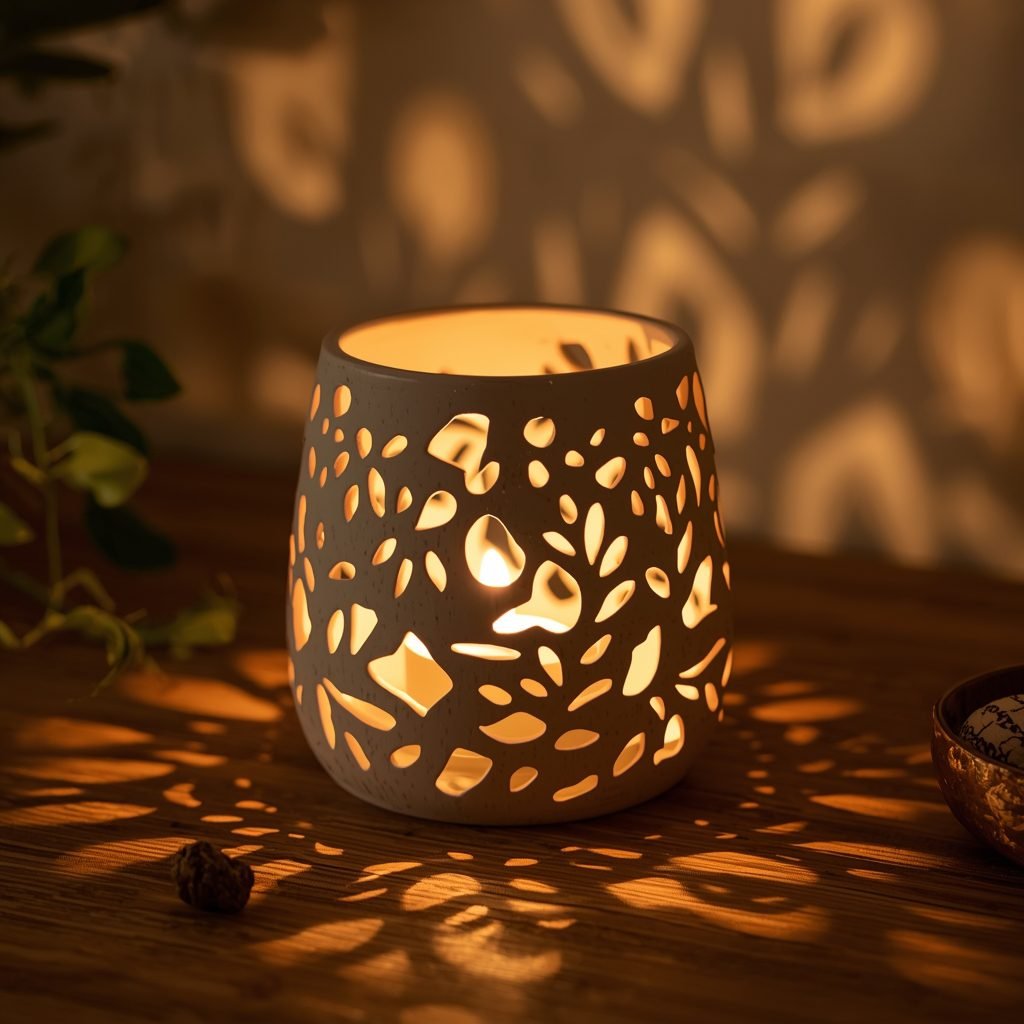
One of the most beautiful features of candle holders is how they scatter light. Artists often carve holes, geometric windows, or organic cutouts that allow warm light to escape. These openings can be round, elongated, petal-shaped, or entirely abstract.
d. Form and Silhouette
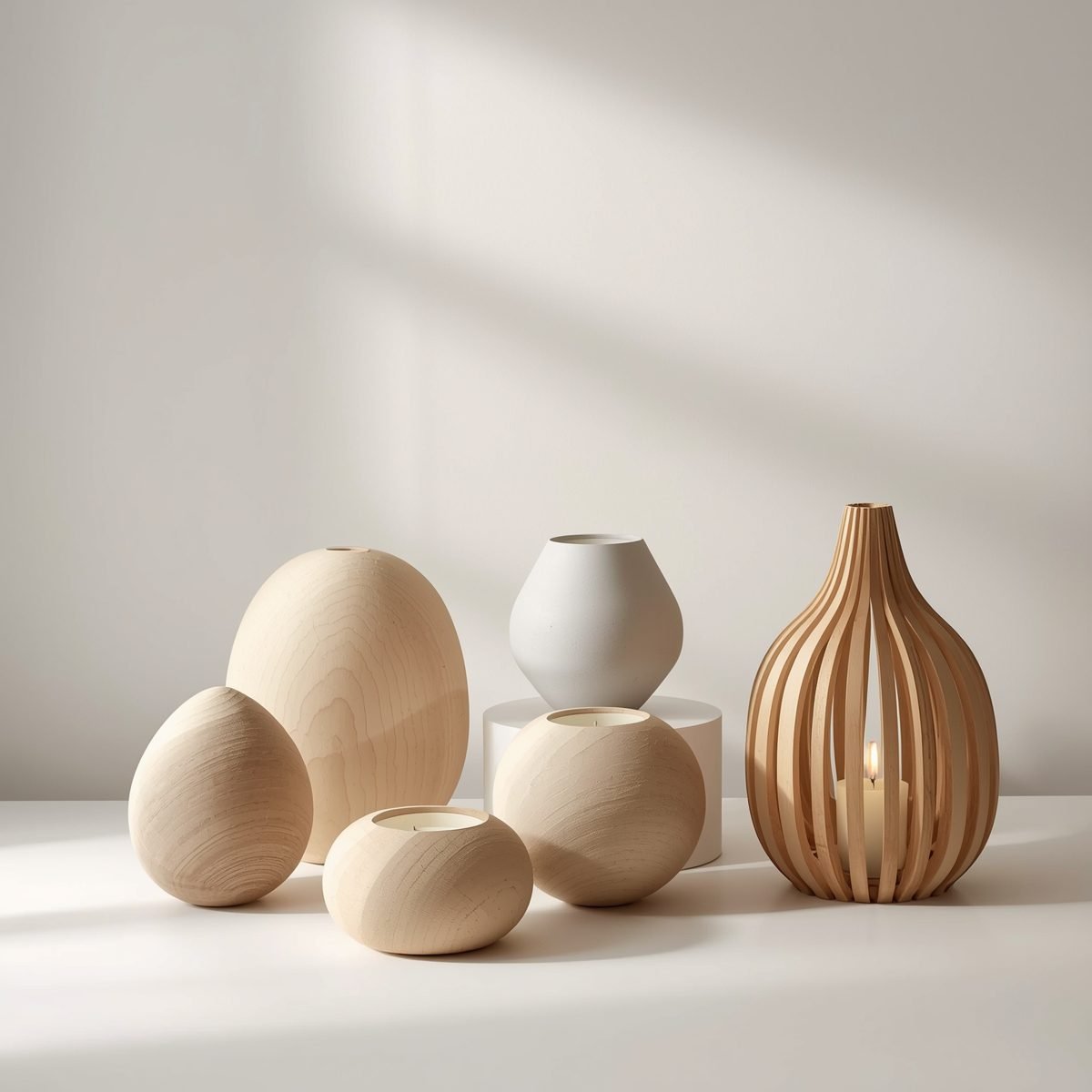
Trending silhouettes this year include:
- Rounded, pebble-like forms
- Minimal cylinder shapes
- Soft geometric towers
- Organic carved lanterns
- Layered dome shapes
The silhouette dictates how the candle glows and how shadows dance. Artists often focus on smooth edges and soft lines to create calming, serene forms.
3. Crafting Ceramic Oil Warmers: What Makes a Great Design?
Oil warmers require additional thought because they involve two interacting components: a base for the candle and a bowl or dish for the oil or wax melts.
a. Functional Structure
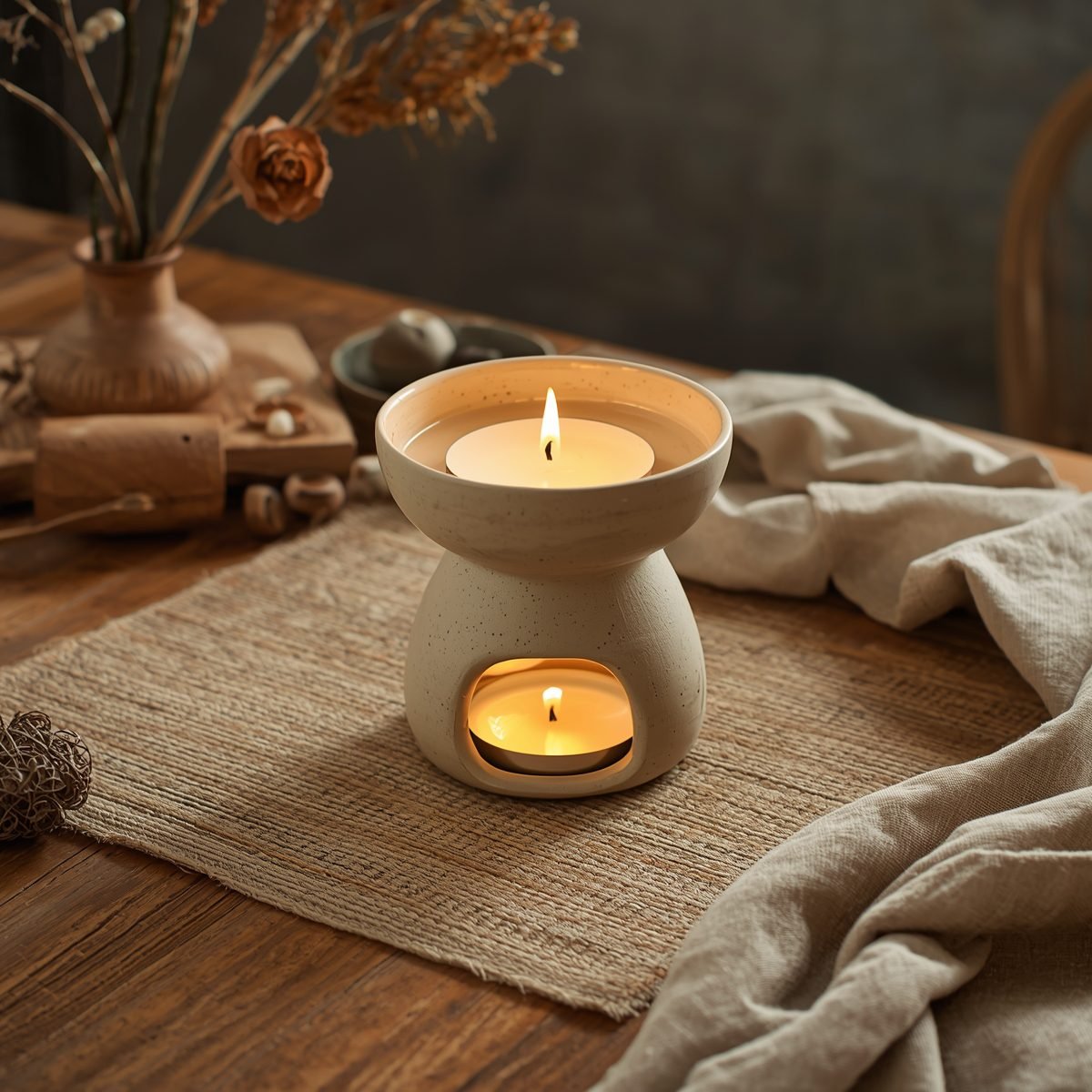
The distance between the flame and the bowl is crucial. Too close and the oil overheats. Too far and the scent does not diffuse. A typical comfortable distance ranges from 6 to 10 cm depending on candle size.
b. Safety Through Ventilation
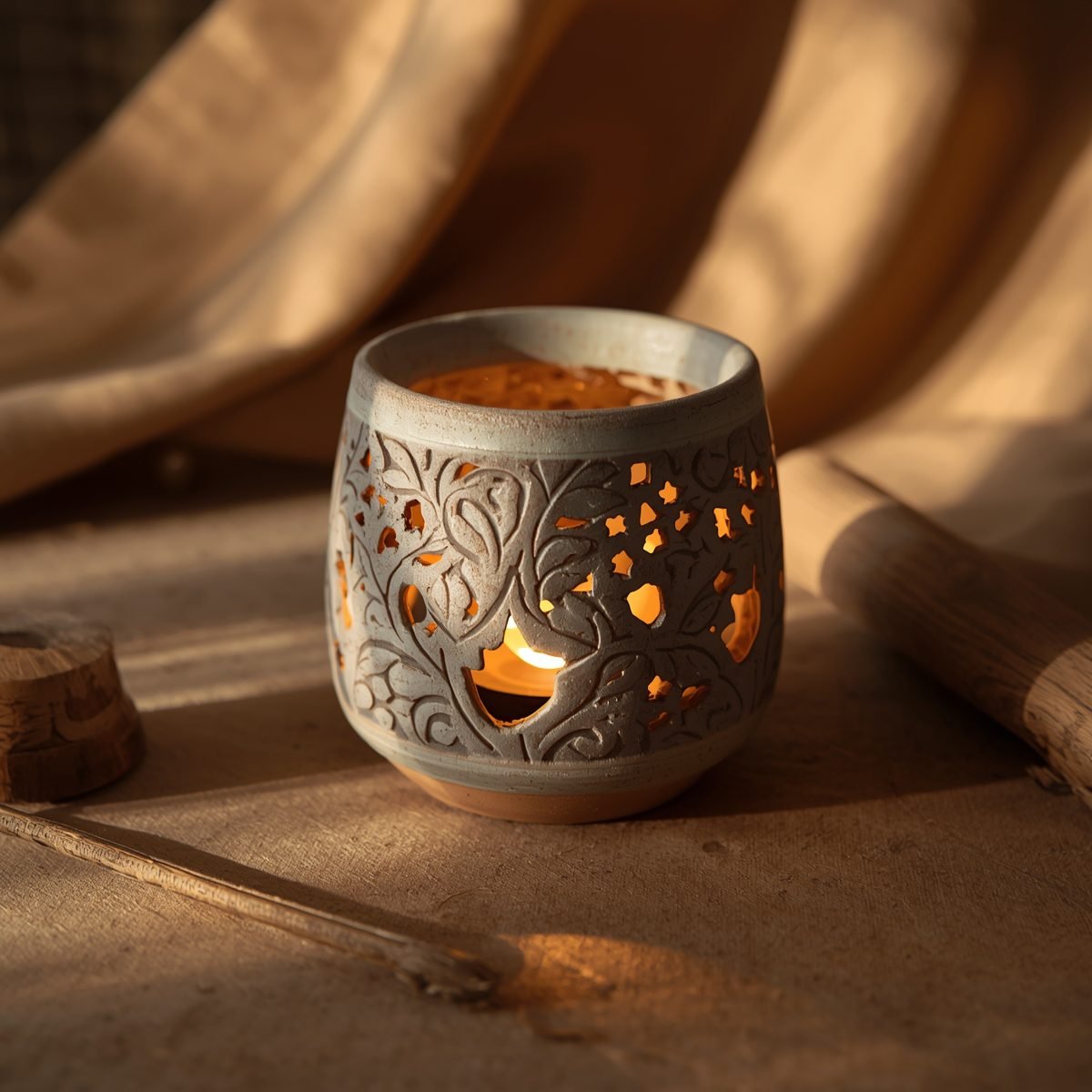
Good oil warmers include generous vent openings to allow flame oxygen flow. These vents are often incorporated beautifully into the design as patterns or textures.
c. Perfect Bowl Depth
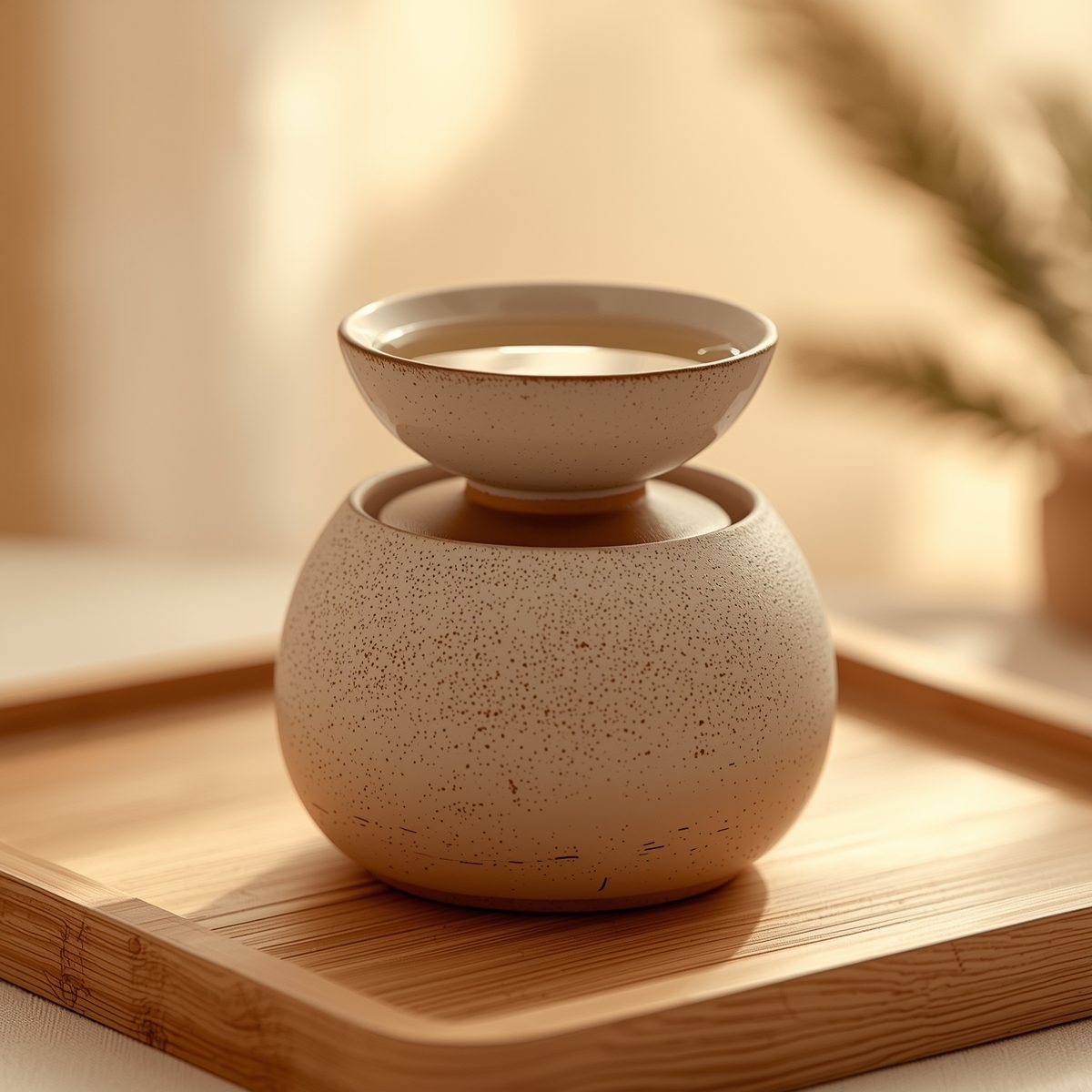
The bowl should be deep enough to hold oil without evaporating too quickly but shallow enough to allow heat distribution.
d. Seamless Integration
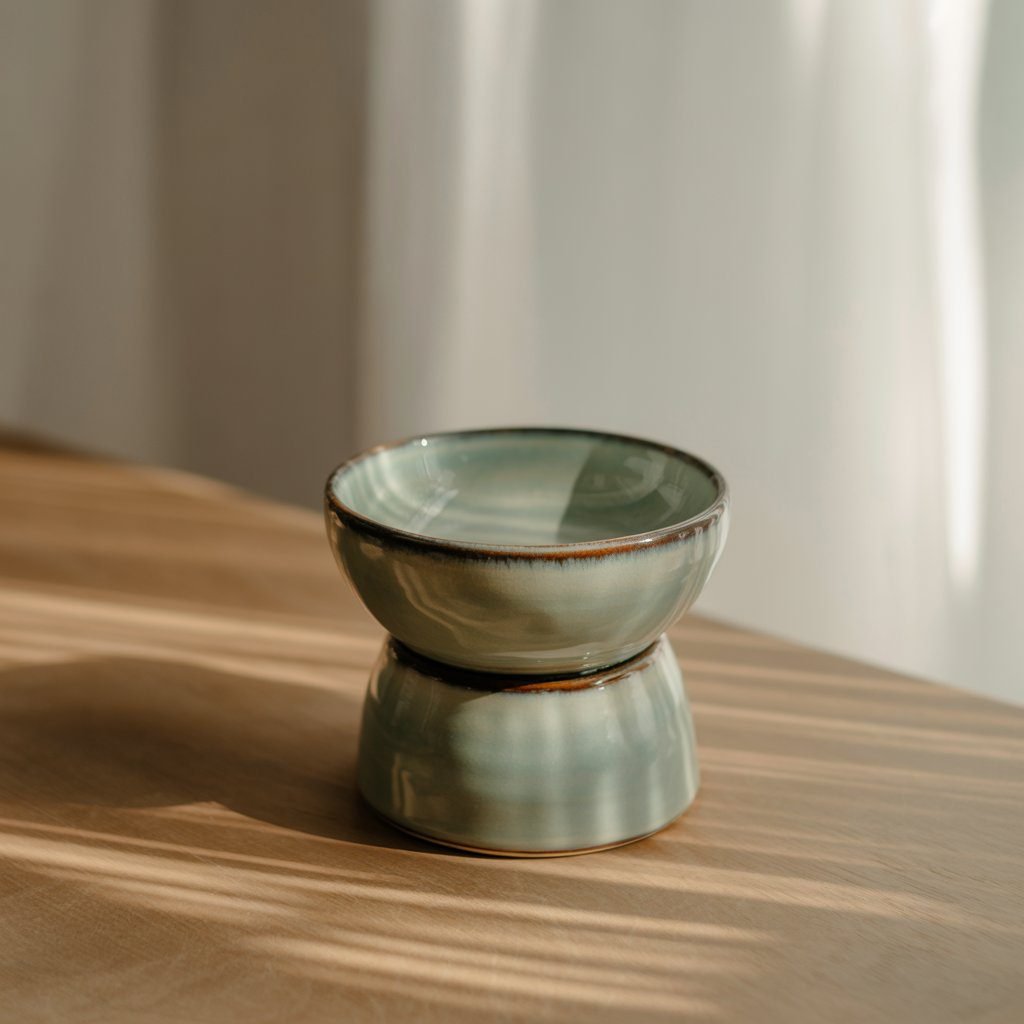
The base and bowl must complement each other aesthetically. Matching glazes, shapes, and textures create a unified visual appeal.
4. The Trending Shapes of 2025
Shapes are the heart of ceramic design. In 2025, trending forms are heavily influenced by natural elements, minimalism, and emotional comfort.
1. Soft Rounded Forms
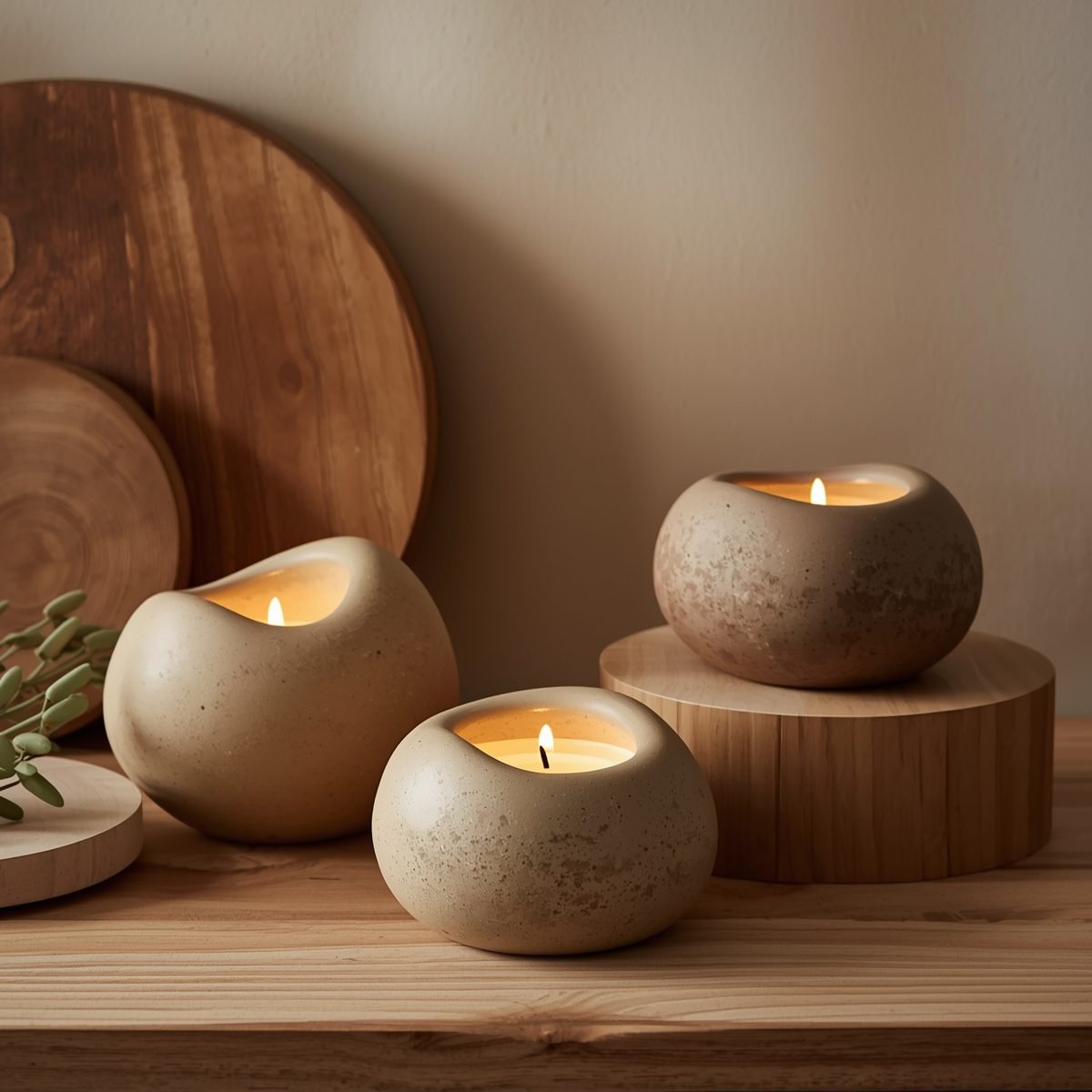
Inspired by river stones, clouds, and organic shapes, round silhouettes evoke peace and softness. These shapes work beautifully for both candle holders and oil warmers.
2. Hollow Sculptural Towers
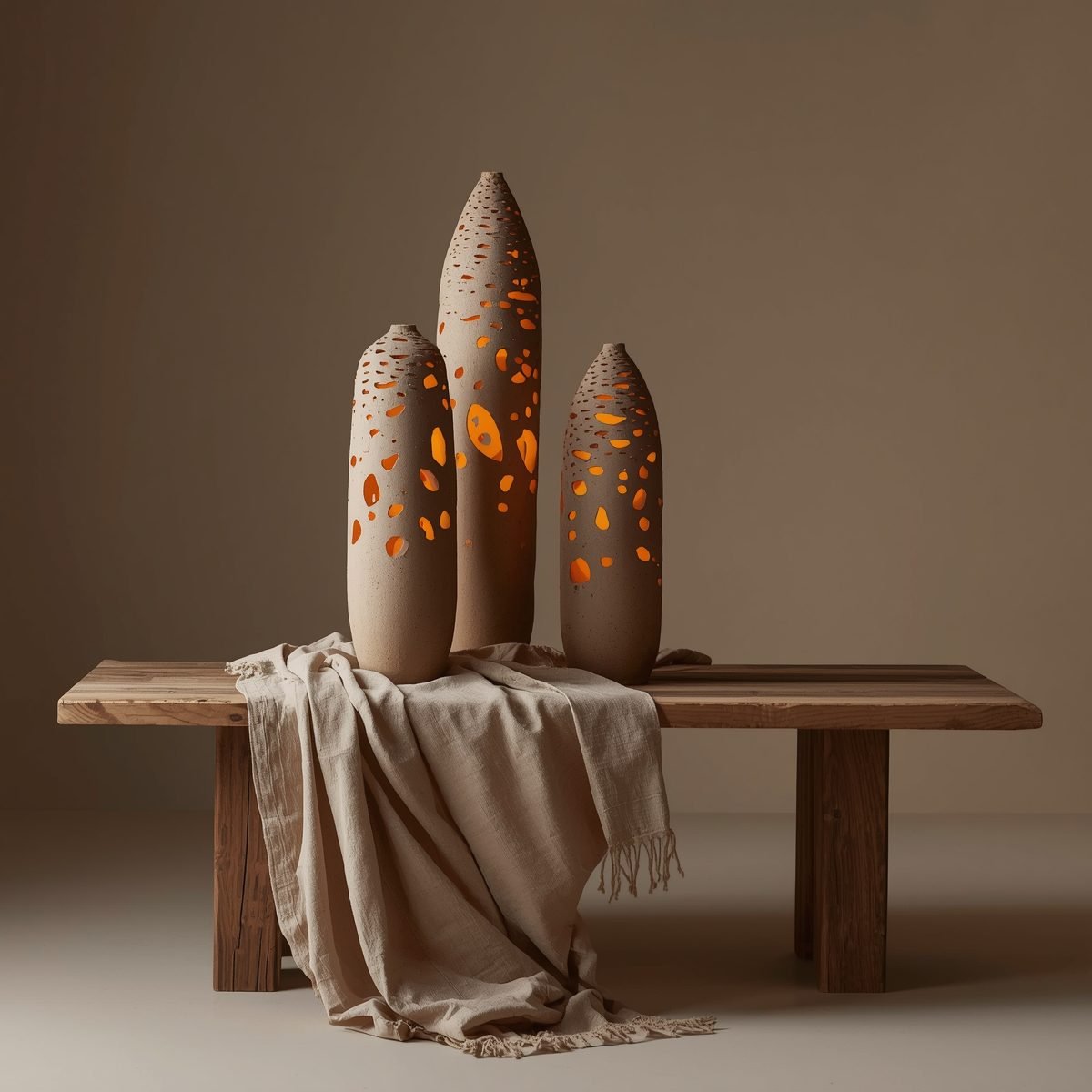
Tall, slightly elongated towers with carved openings are becoming statement pieces in modern homes. Their height adds elegance and visual impact.
3. Wabi-Sabi Imperfect Forms
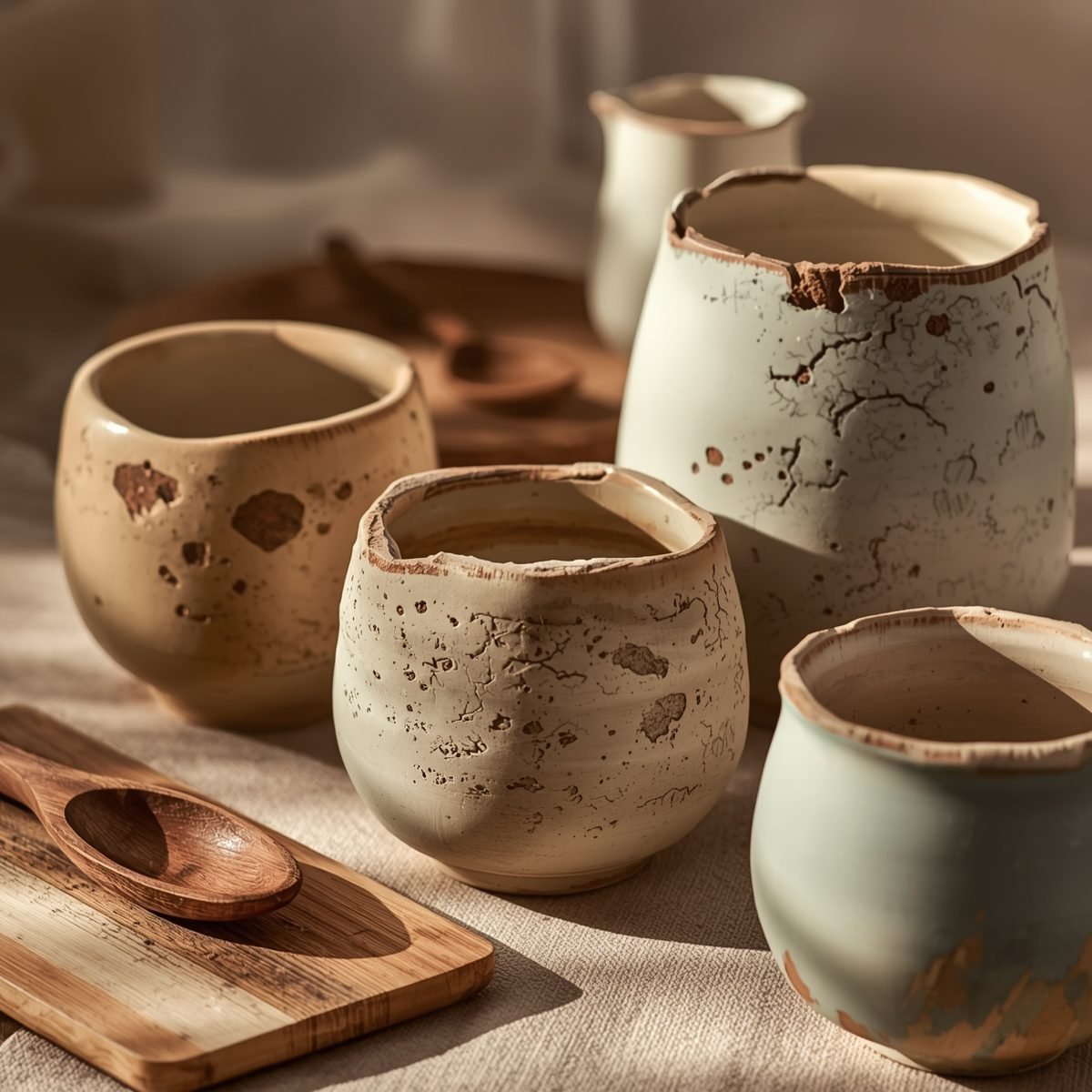
The wabi-sabi philosophy celebrates irregularity and natural imperfection. Uneven rims, slightly distorted bodies, and hand-carved patterns give each piece a sense of authenticity and character.
4. Geometric Minimalism
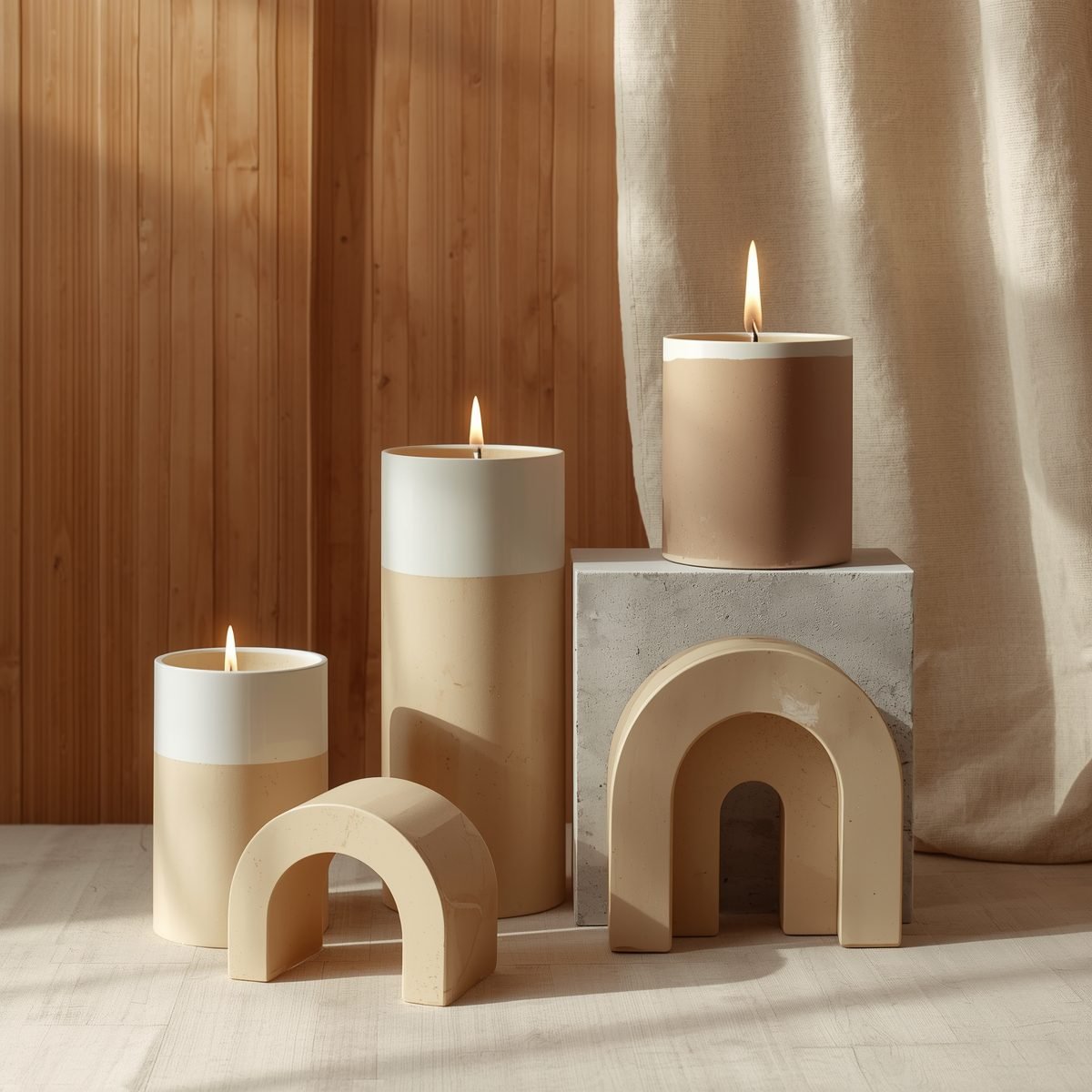
Clean lines, gentle symmetry, and simple shapes are perfect for minimalist interiors. Cylinders, cubes, arches, and spheres with refined surfaces create timeless aesthetics.
5. Layered and Tiered Designs
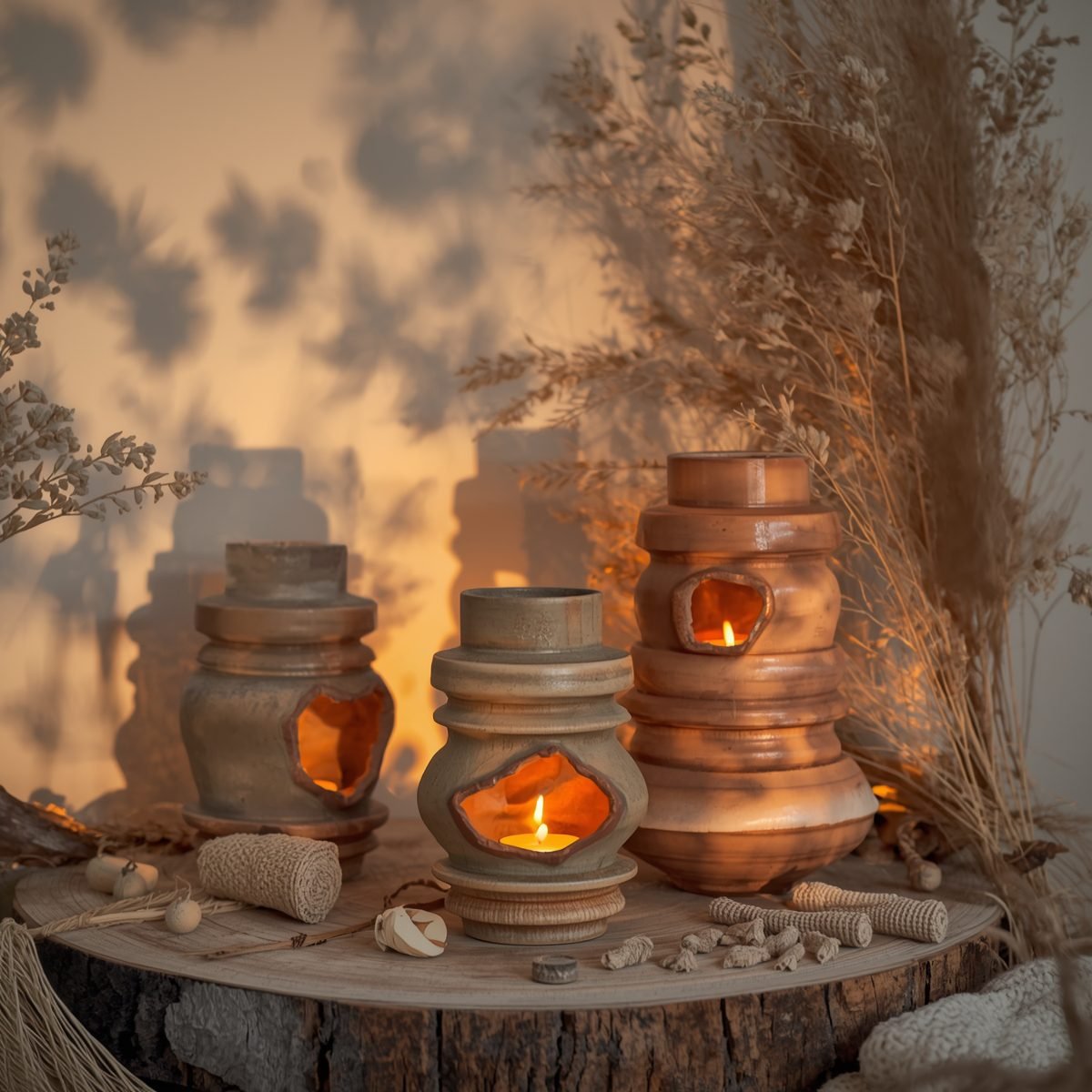
Some artists are combining multiple layers or levels in candle holders, creating modern lantern-like structures that enhance shadow play.
5. Trending Glazes for Candle Holders and Oil Warmers
One of the most defining features of a ceramic piece is the glaze. It creates tone, mood, and identity. Here are the most sought-after glazes dominating 2025:
a. Matte Neutrals
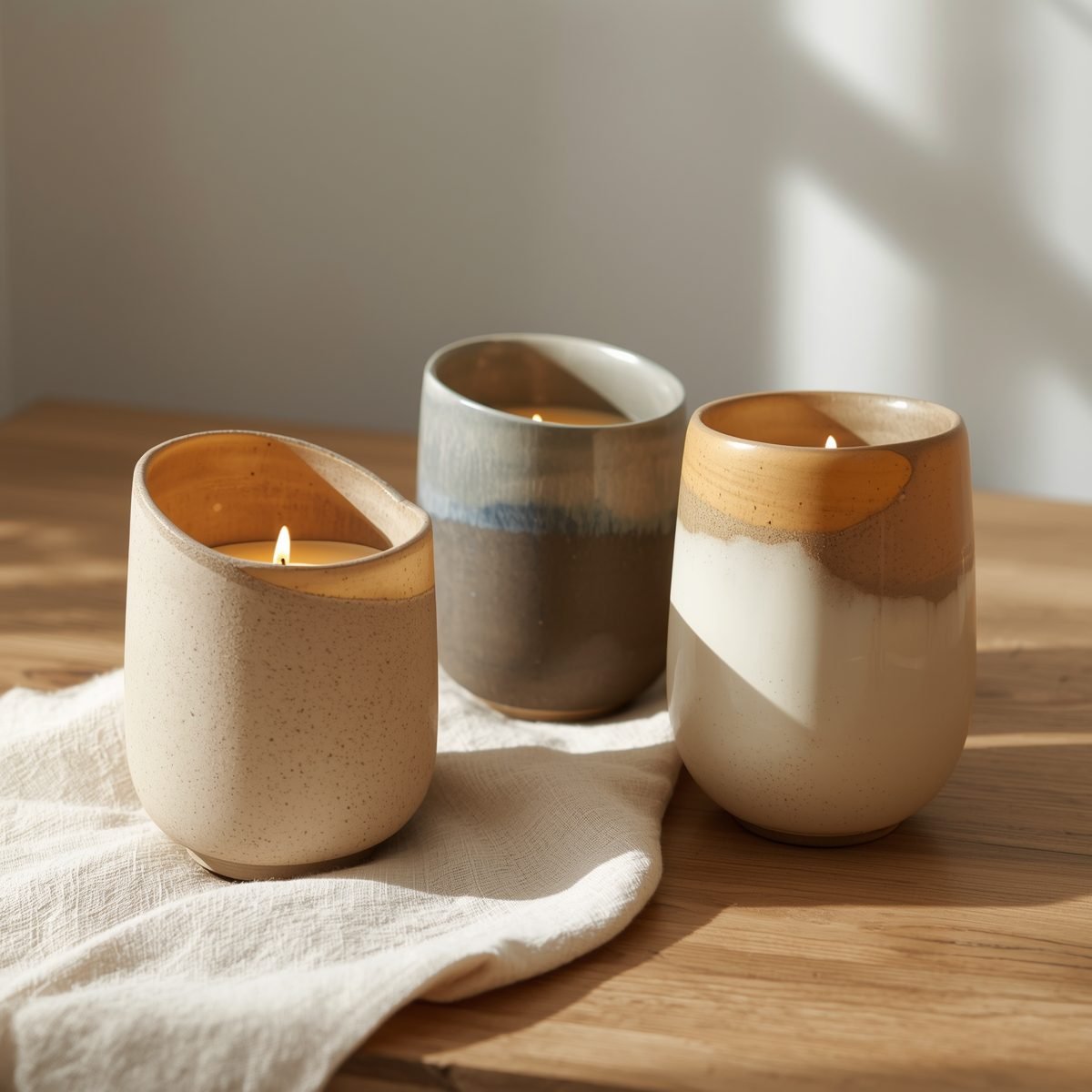
Soft matte finishes in colors like warm beige, stone gray, off-white, and clay brown are immensely popular. They give a cozy, modern, earthy feel.
b. Textured Reactive Glazes
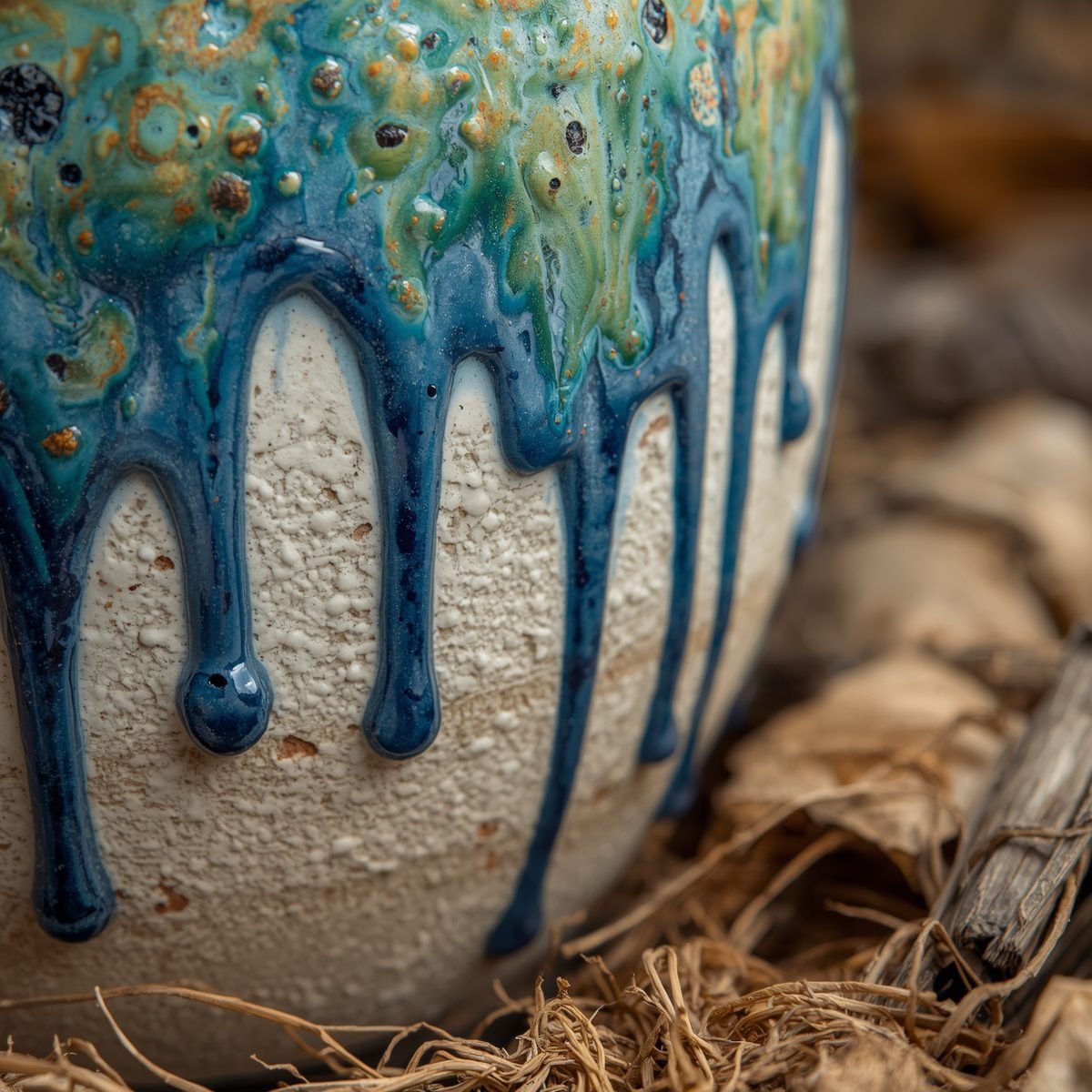
Reactive glazes create unpredictable textures and organic color transitions. These glazes often drip, crackle, or merge into soft gradients — each piece becoming a unique artwork.
c. Natural Earth Tones
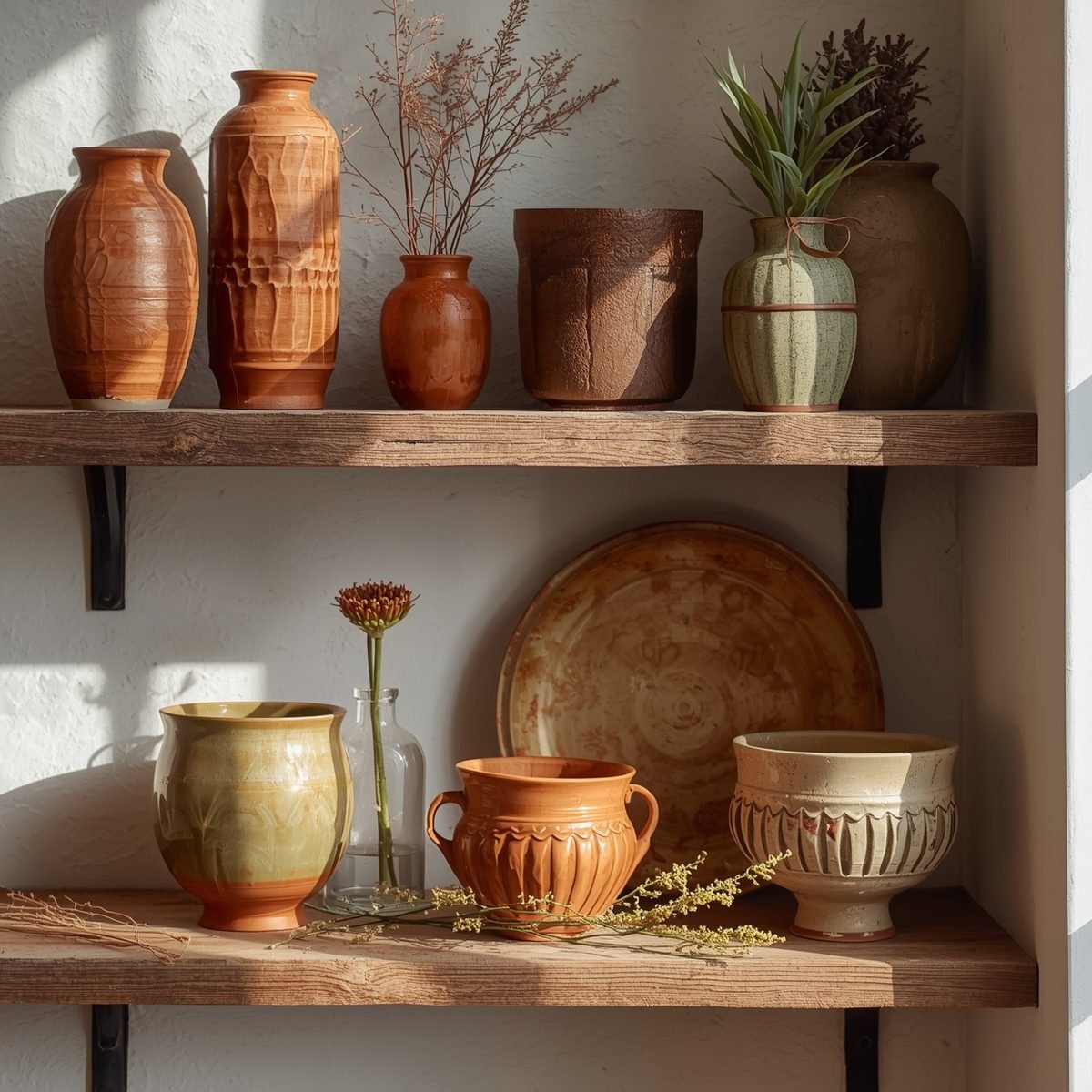
Terracotta, rust, ochre, moss green, and muted clay colors reflect nature’s palette. These glazes pair perfectly with winter décor and minimalist interiors.
d. Frosted Whites
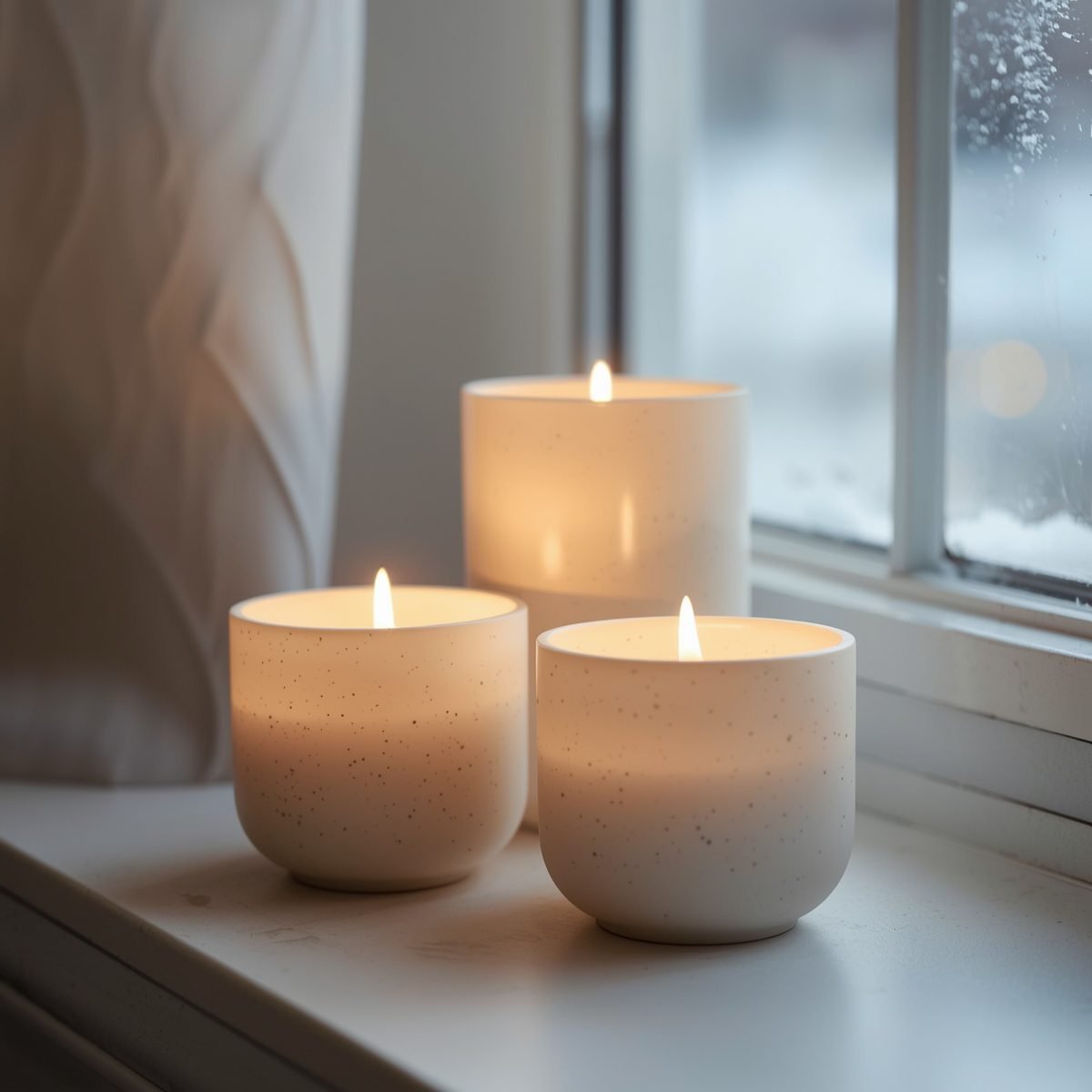
Soft white glazes with subtle speckles mimic winter frost and snow. They’re timeless and elegant, ideal for candlelit atmospheres.
e. Layered Two-Tone Glazes
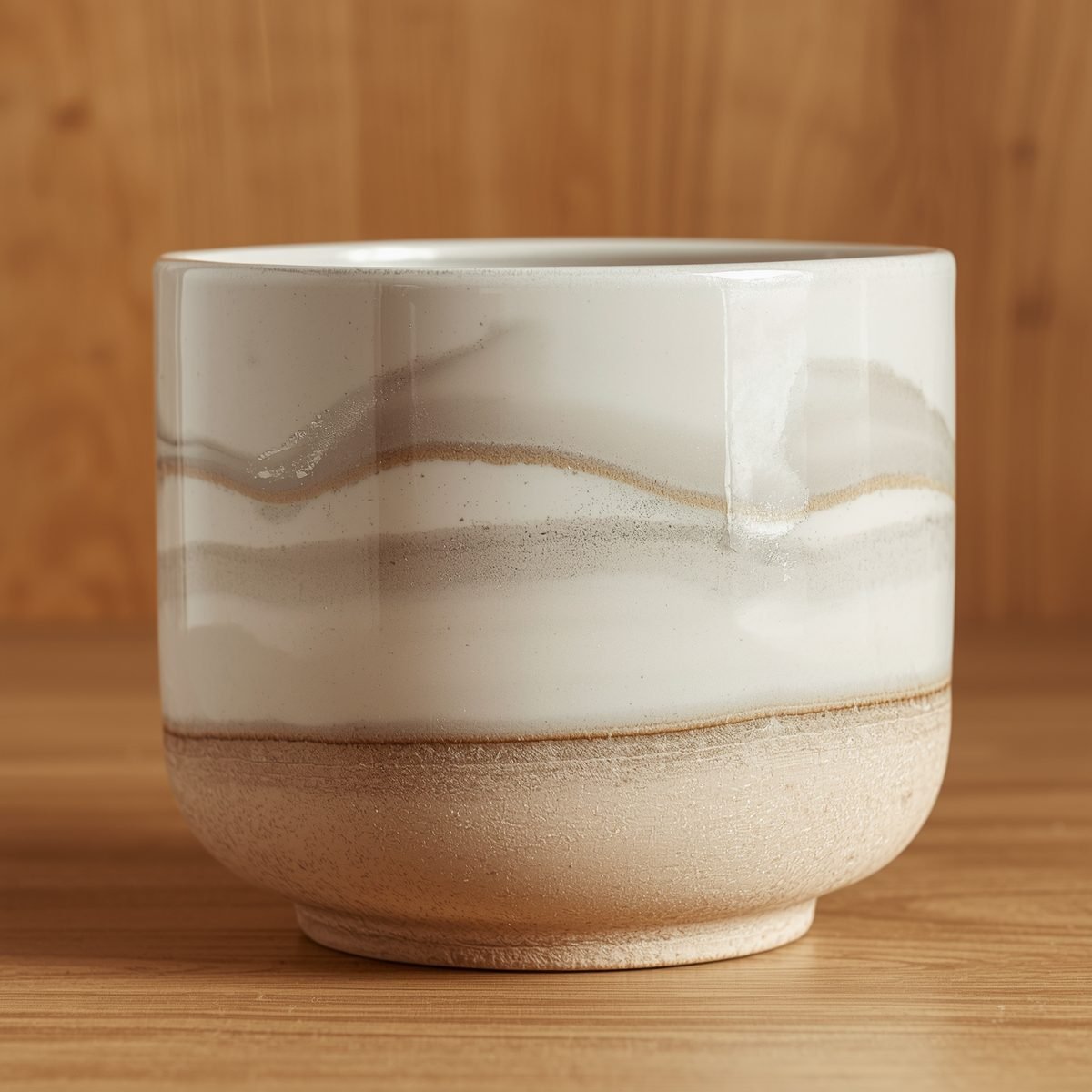
Artists are combining two soft glazes — usually matte and satin — to create smooth transitions and calm visual contrast.
6. Techniques to Enhance Light and Texture
Since candle holders and oil warmers interact with light, texture becomes extremely important in their design.
• Carved Patterns
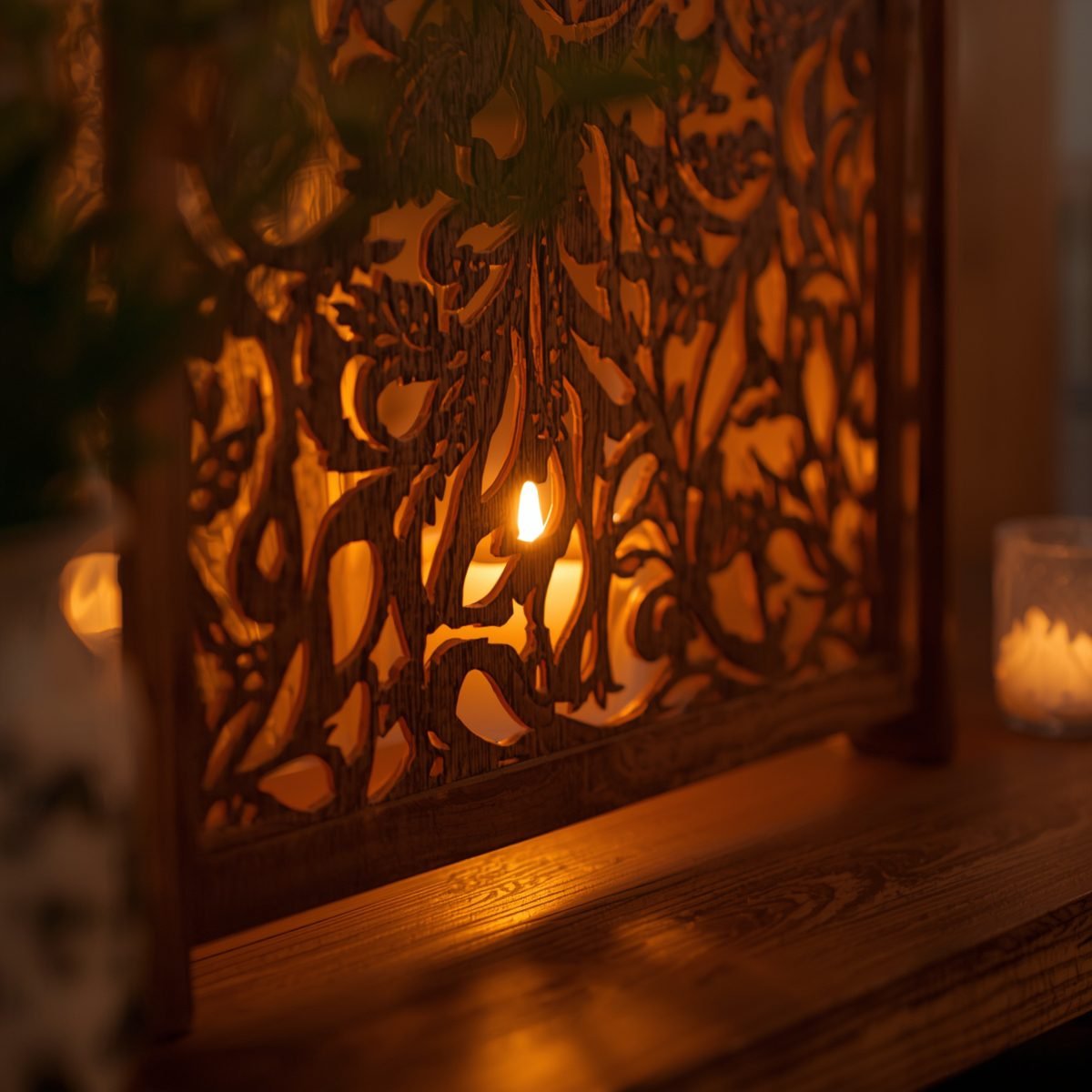
Carving into clay creates shadow depth and visual interest. Popular motifs include:
- Waves
- Leaves
- Tear-shaped cutouts
- Minimal line carvings
• Pierced Clay Techniques
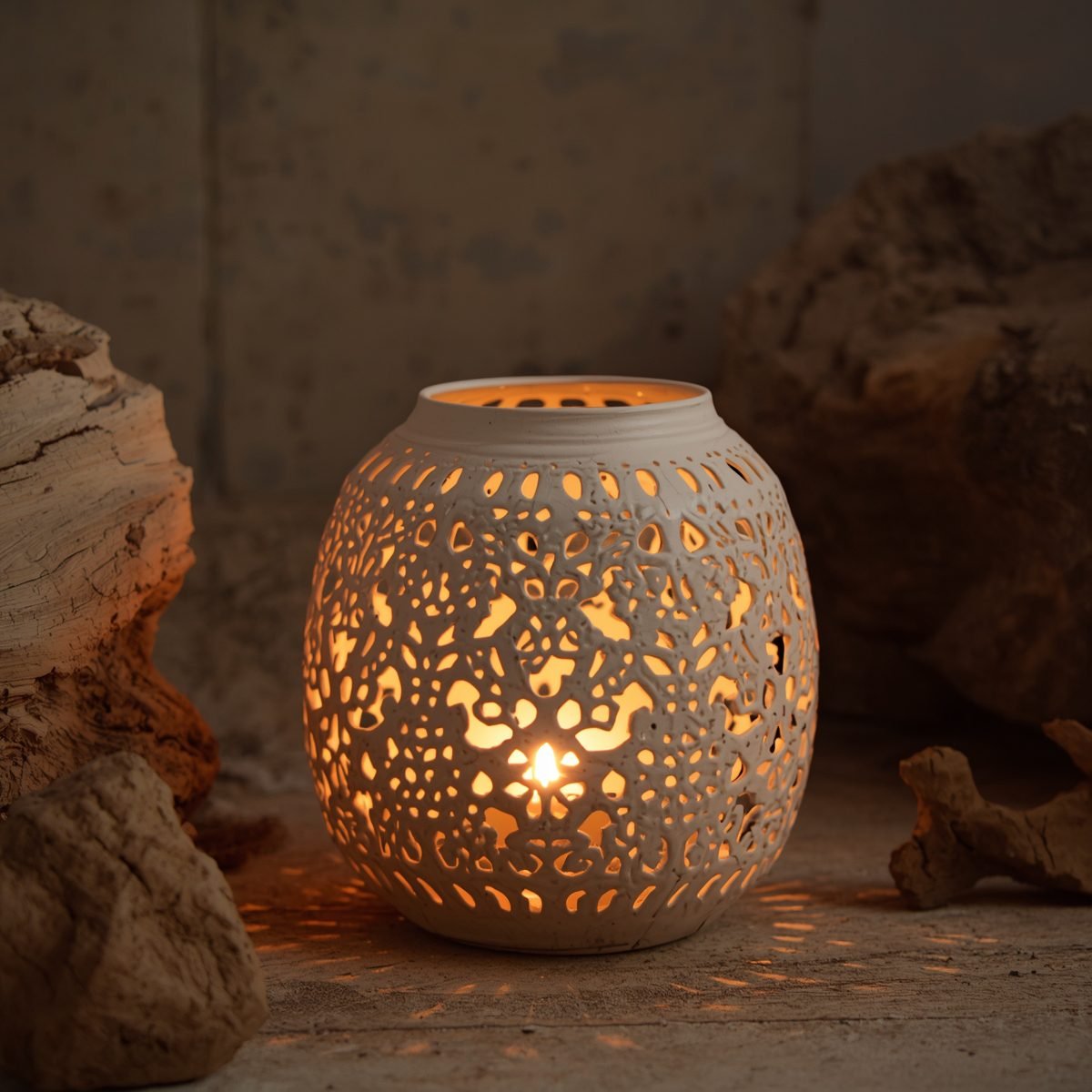
Piercing allows light to escape beautifully. Soft circular or oval openings create a glowing lace effect.
• Hand Texturing
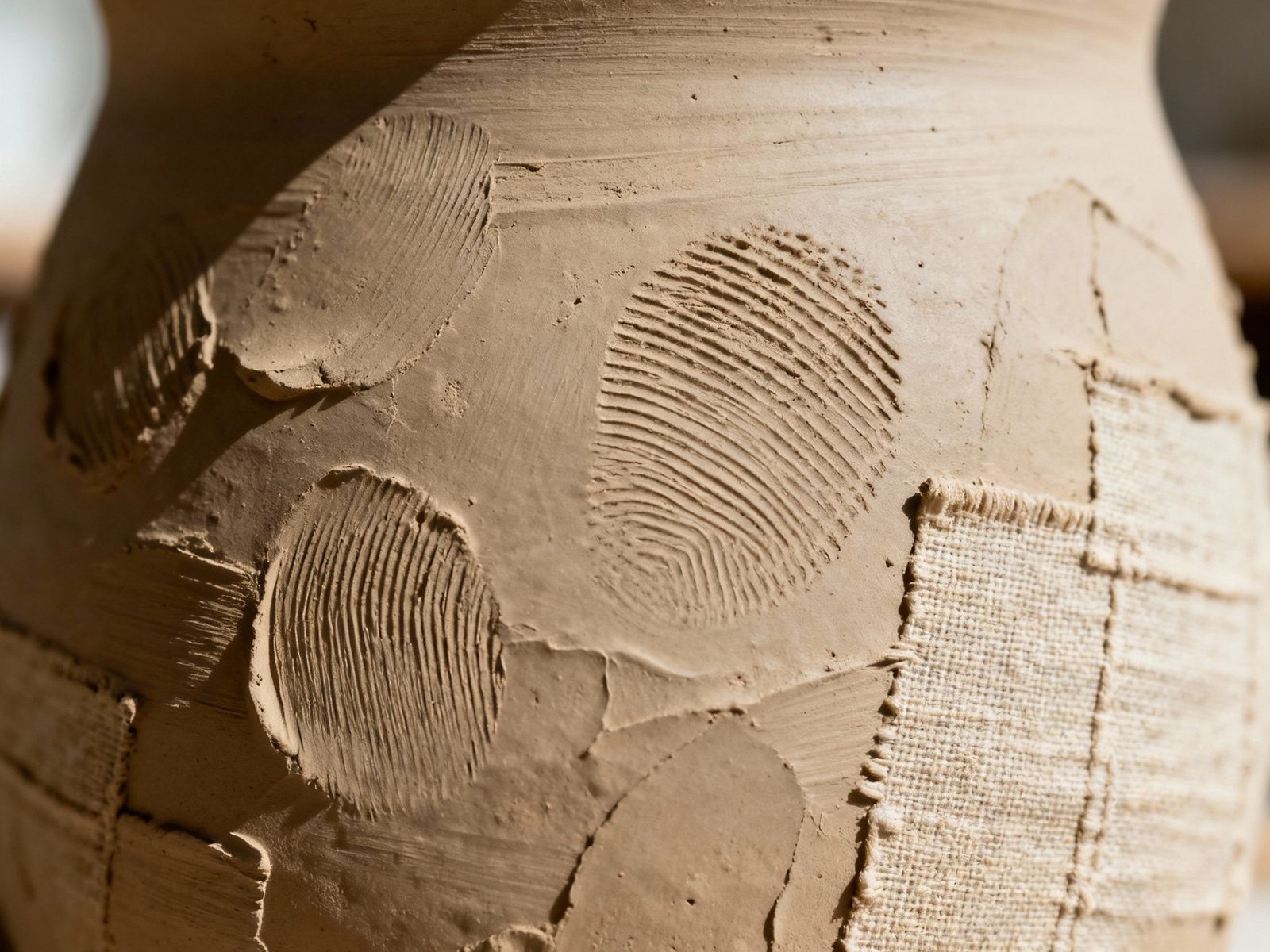
Rough brushing, fingerprint marks, clay scratching, and pressing natural materials (like linen or leaves) into clay give pieces raw emotional texture.
• Layered Glaze Techniques
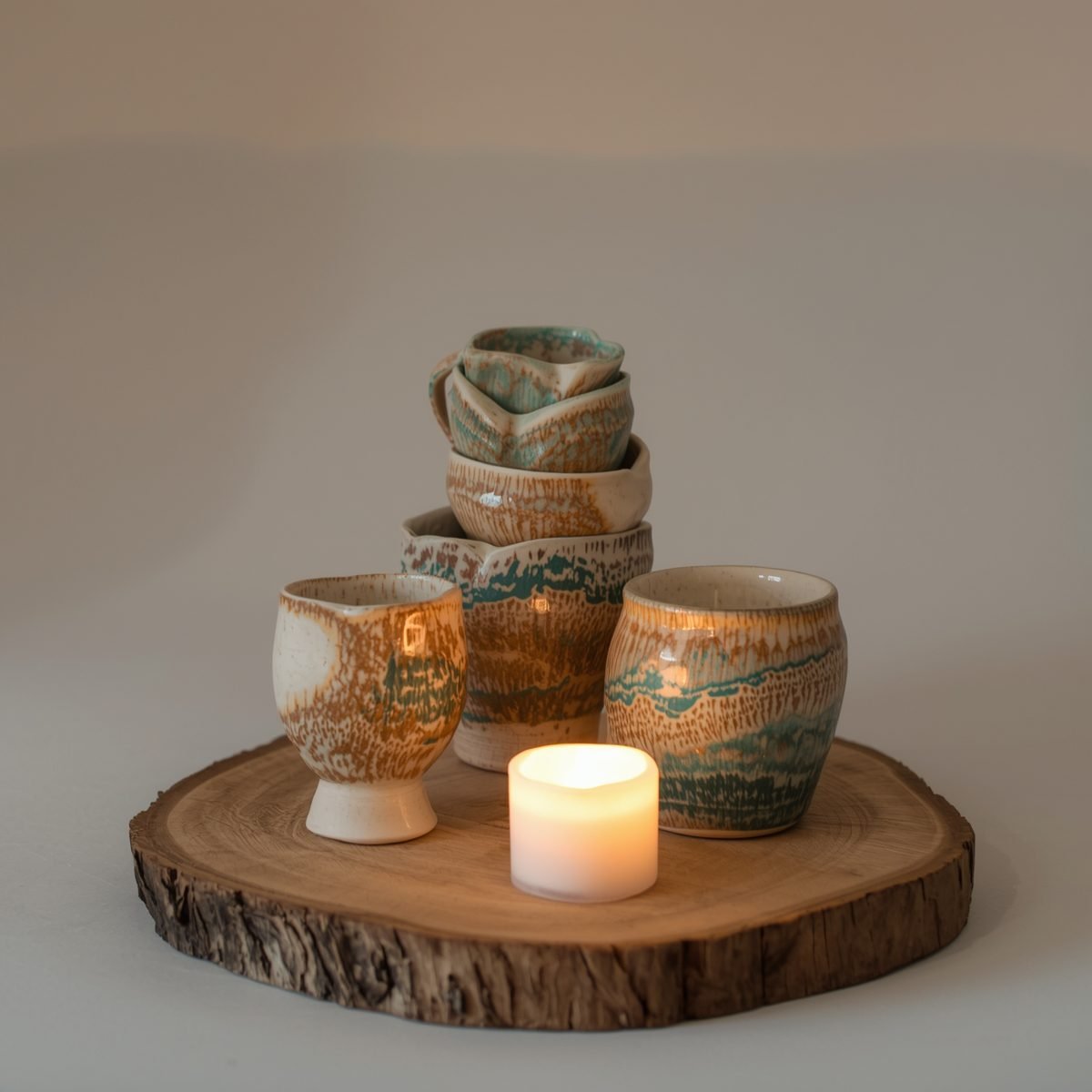
Applying multiple thin glaze layers adds visual movement and depth, especially under warm candlelight.
7. Choosing the Right Clay for Your Designs
The type of clay you use greatly affects durability, finishing, and style.
Stoneware
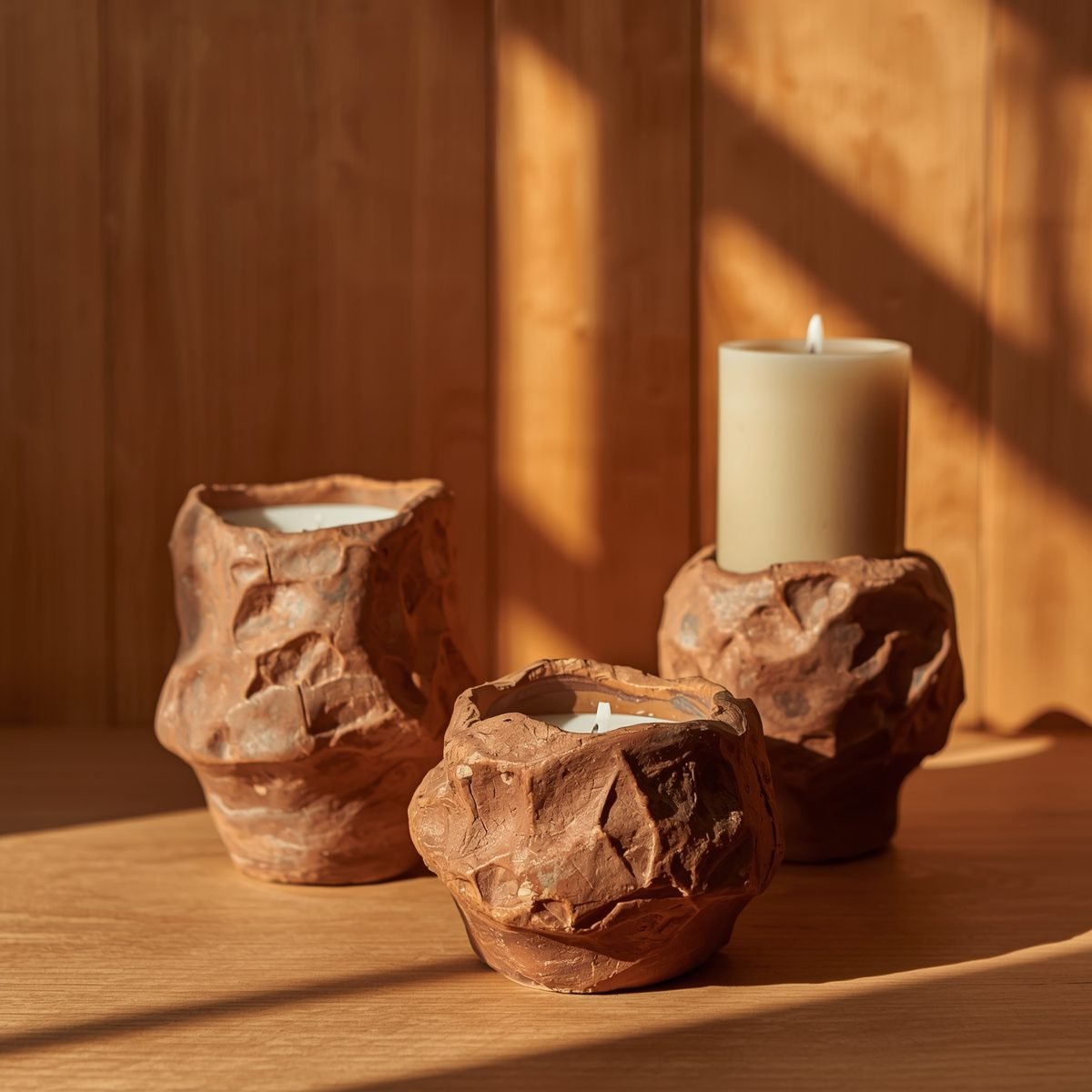
The top choice for candle holders and oil warmers.
- Durable
- Heat resistant
- Slightly textured
- Takes matte glazes beautifully
Porcelain

More refined and sophisticated but trickier to work with.
- Smooth
- Elegant
- Can create thin, delicate pieces that glow subtly
Earthenware
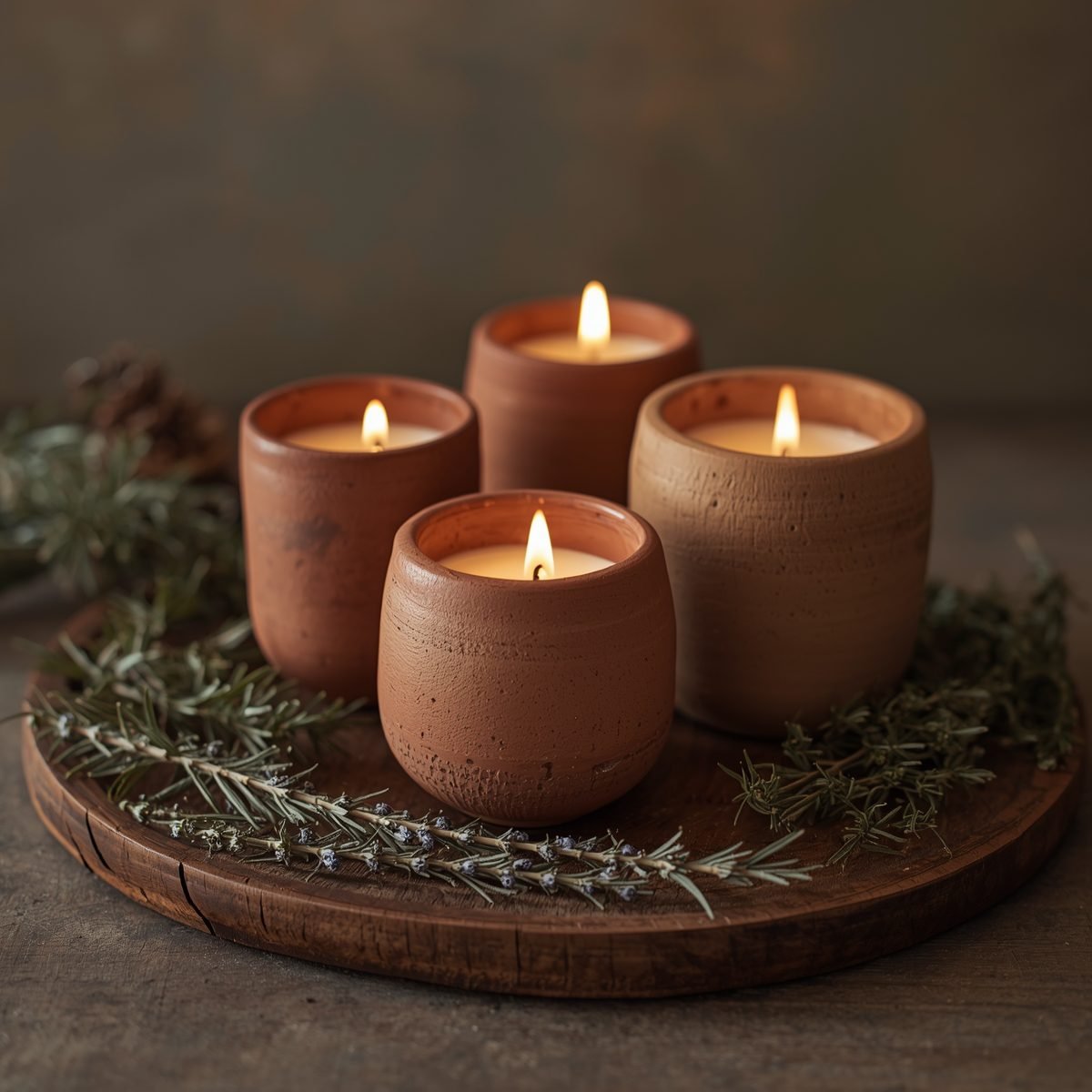
Warm, rustic, and perfect for earthy designs.
- Great for matte glazes
- Has natural, cozy charm
- Best for decorative pieces or low-heat designs
8. How to Style Ceramic Candle Holders and Oil Warmers
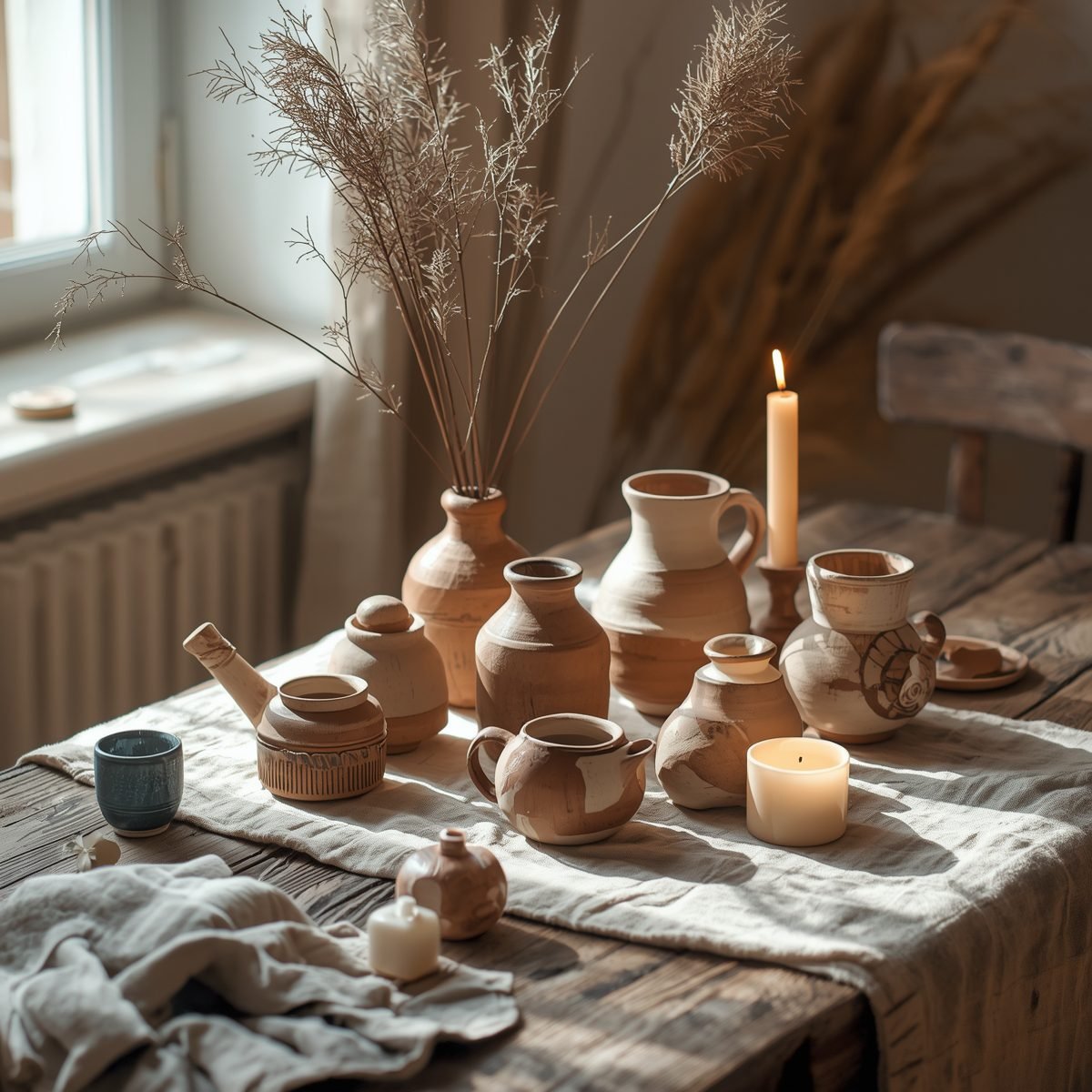
Styling is the final artistic step. Whether for photography, online store displays, or interior design, presentation defines perception.
Use Natural Backgrounds
Wood, linen, stone, and neutral surfaces bring out the organic nature of clay.
Work with Warm Lighting
Soft daylight or candlelight enhances texture and depth.
Pair with Minimal Props
A dried plant, a wooden tray, or a simple book is more than enough. Avoid metal objects or shiny distractions.
Focus on Atmosphere
Show the ceramic piece in its “natural environment” — glowing, calming, and creating ambience.
9. The Market Value of Ceramic Candle Holders and Oil Warmers
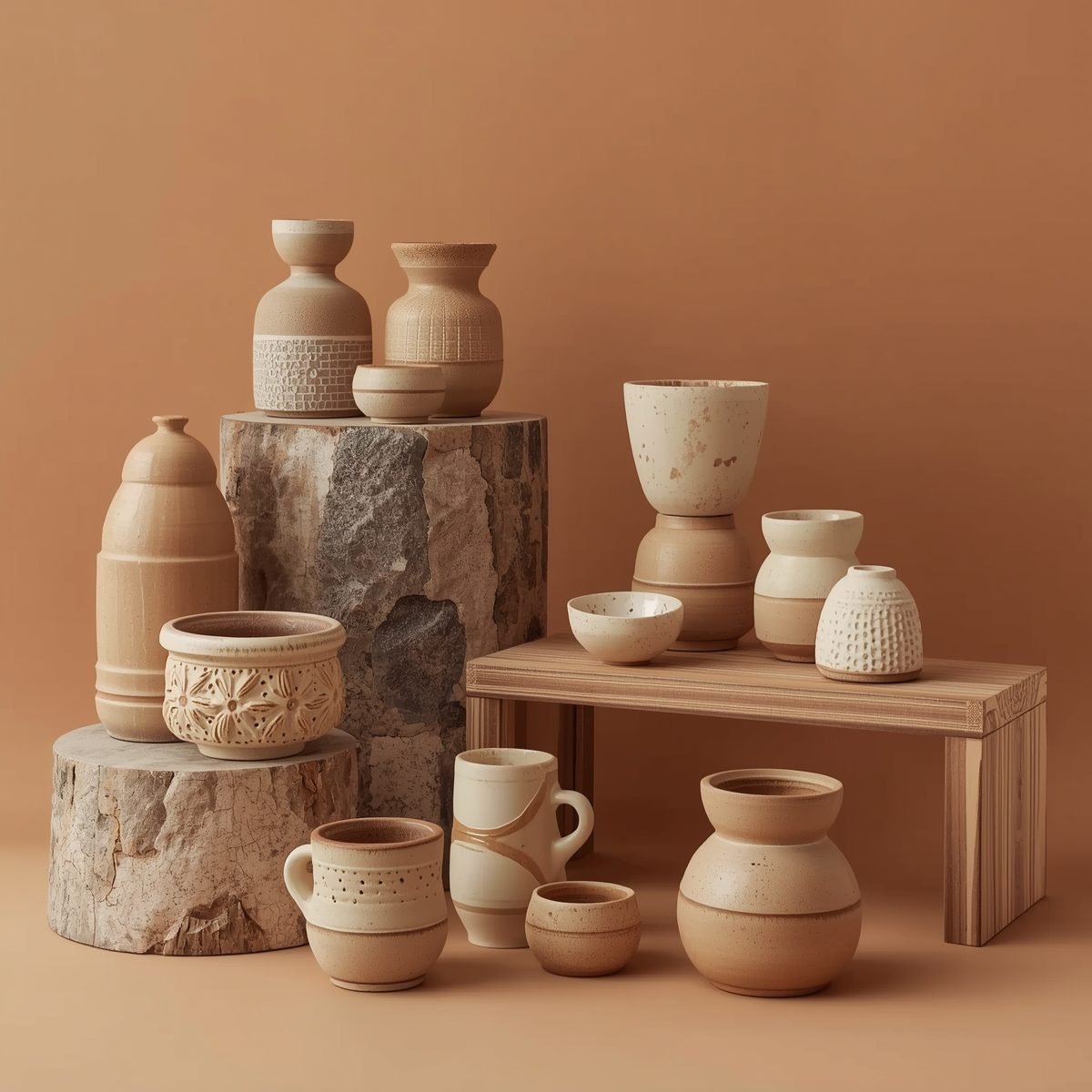
These pieces consistently sell well because they sit at the intersection of art, décor, and ritual. Customers buy them not only as décor but as emotional objects.
They are:
- Giftable
- Collectible
- Functional
- Aesthetic
- Small enough for easy shipping
- Perfect for seasonal collections
Their versatility allows artisans to offer wide price ranges — from affordable minimalist designs to high-end sculptural art pieces.
10. Building Your Signature Style
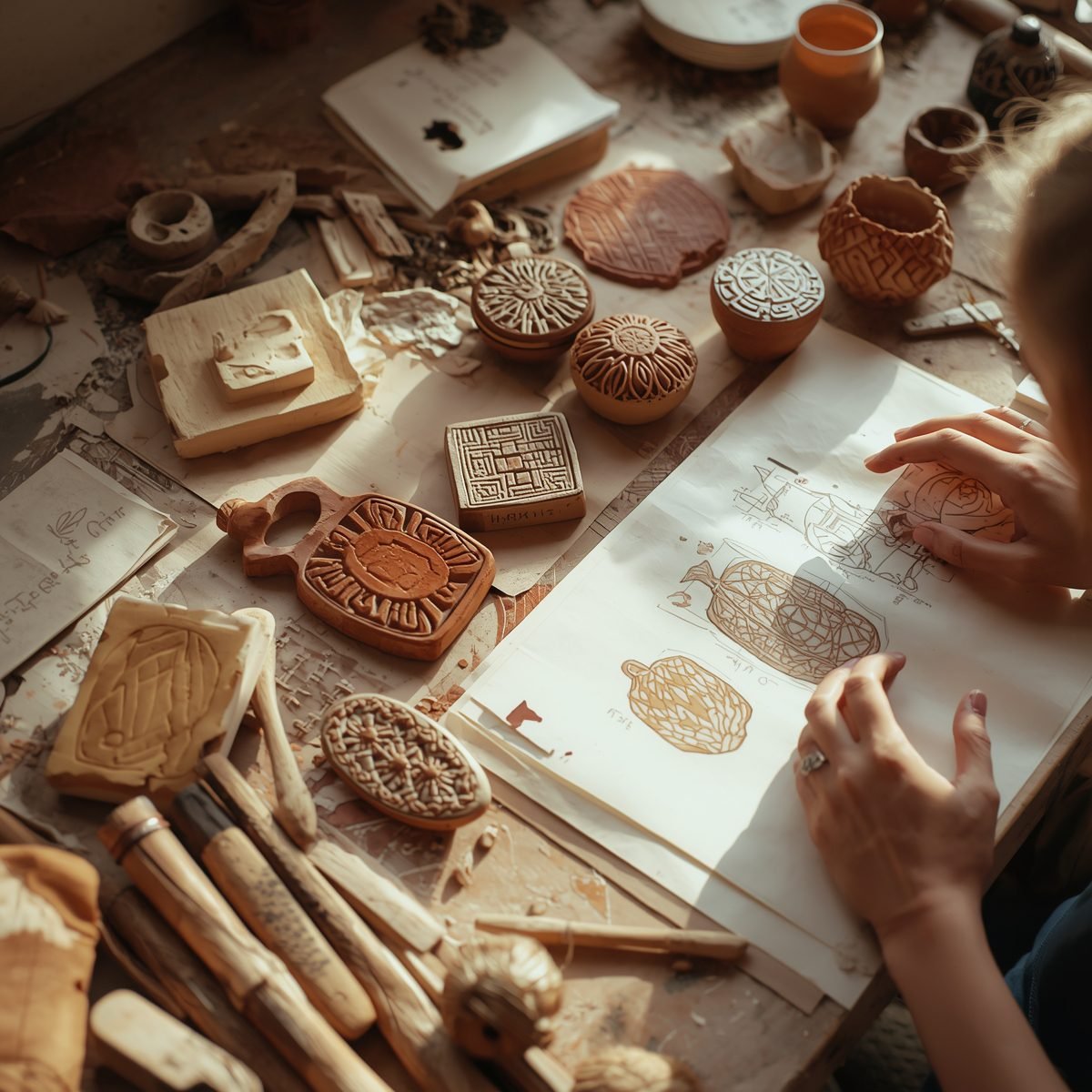
In a world full of trends, what makes your work truly unique is your artistic voice. When creating candle holders or oil warmers, consider:
- Your preferred textures
- Your emotional color palette
- Your favorite silhouettes
- Your hand-carving vocabulary
- Your glaze philosophy
Let your pieces reflect your identity rather than copying mainstream designs.
“Authenticity is the most valuable glaze an artist can apply.”
Take inspiration, but add your soul to the clay.
Final Thoughts
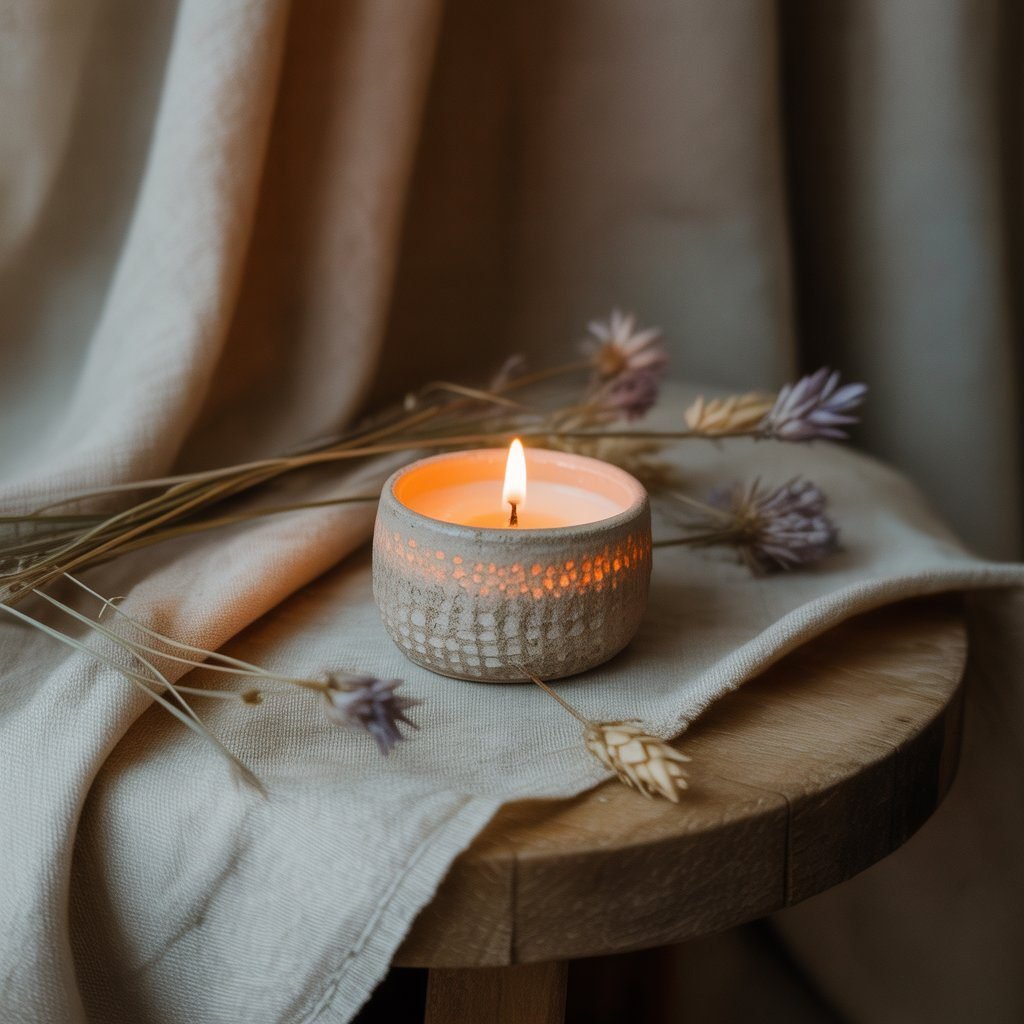
Ceramic candle holders and oil warmers are more than simple home décor items. They are symbols of calmness, intention, and emotional atmosphere. In their warm glow, we find comfort. In their handcrafted textures, we feel connection. And in their timeless beauty, we recognize that slow-made objects still matter in a fast-moving world.
The art of making these pieces lies in balancing functionality with emotion — crafting forms that are safe and practical yet expressive and soulful. Whether you prefer minimalist shapes or sculptural designs, matte neutral glazes or textured reactive surfaces, the possibilities are endless.
As you shape clay and experiment with glazes, remember one thing: every piece you create has the potential to become part of someone’s daily ritual—a quiet companion in their moments of rest, reflection, and warmth.
Craft with intention. Create with emotion. And let the light tell your story.